
Jenny Lind: the 'Swedish Nightingale', 19th‑century opera soprano
Jenny Lind (1820–1887) was a Swedish coloratura soprano famed for her pure tone, European operatic success, a celebrated American tour organised by P. T. Barnum, philanthropy, and later teaching in England.
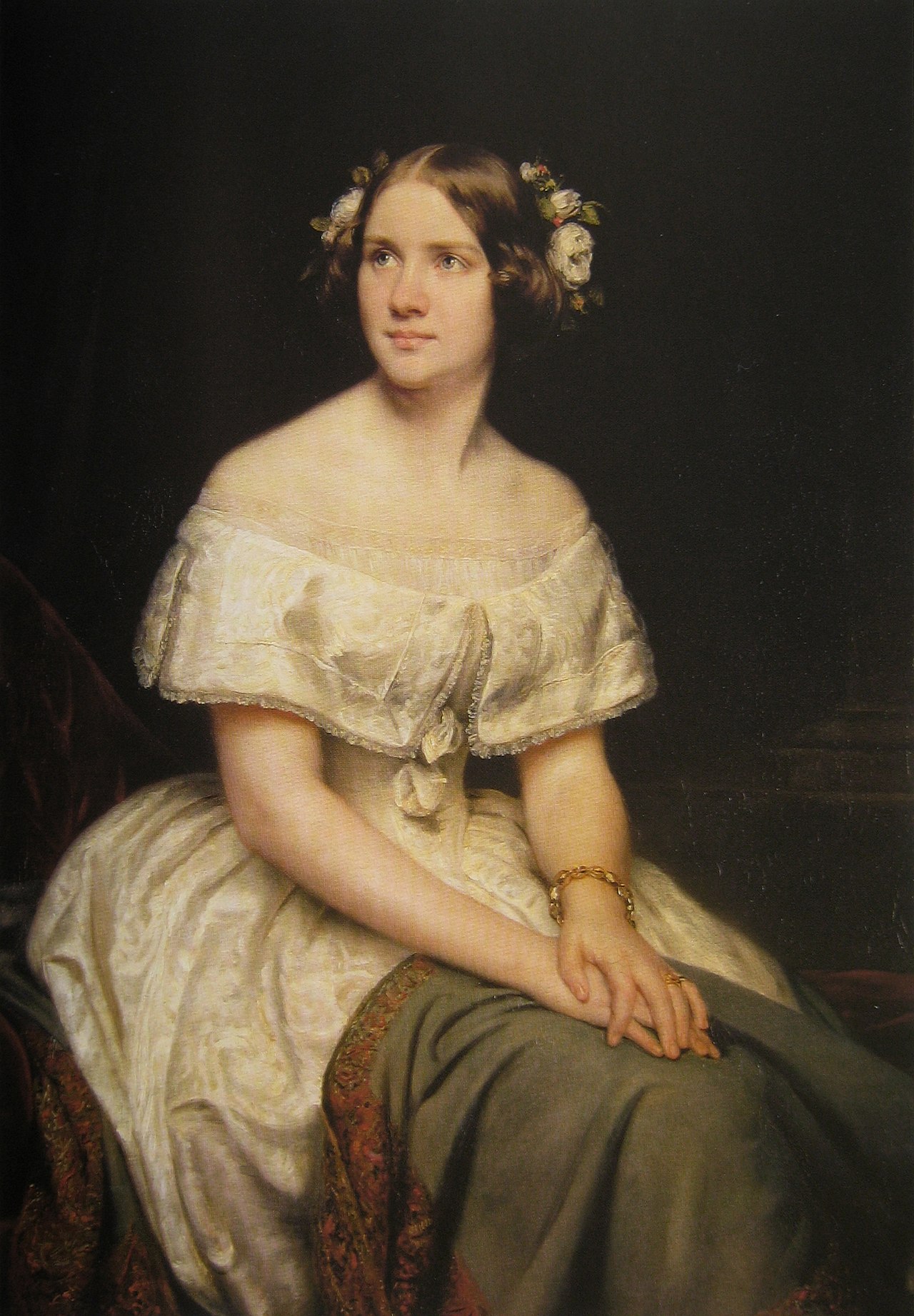
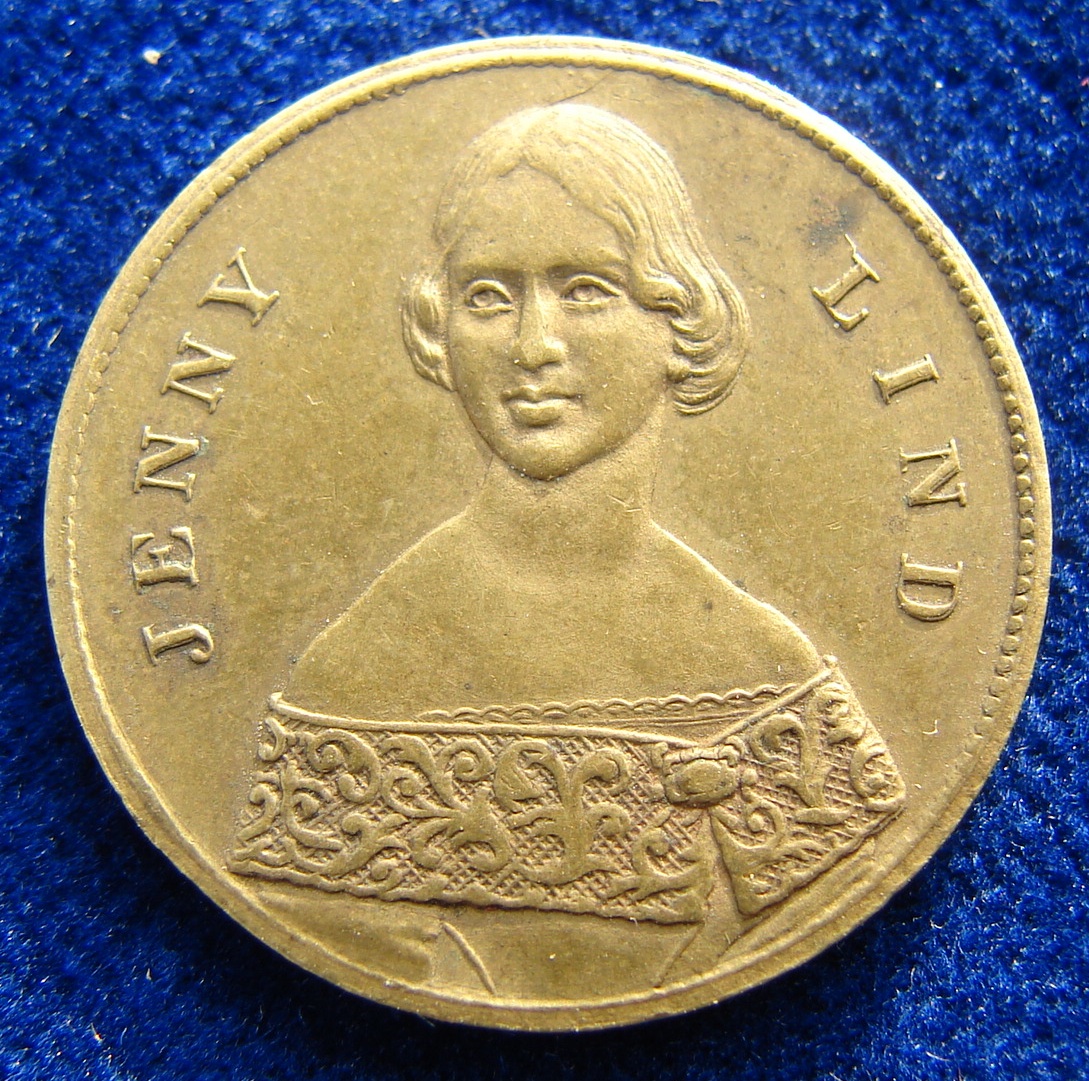
Johanna Maria "Jenny" Lind (1820–1887) was a Swedish opera singer widely known by the sobriquet the "Swedish Nightingale". She was born in Stockholm and trained from a young age in local institutions and with private teachers. Her early promise, clear upper register and refined technique brought her rapid attention in Scandinavian musical circles and then across northern Europe.
Image gallery
10 Images




Training and rise to prominence
Lind's vocal education combined formal study and practical stage experience. During the 1840s she performed in Sweden and Germany, developing a repertoire that emphasised lyrical and coloratura roles. Influential musicians noticed her gifts; she became a protégé of Felix Mendelssohn, whose support helped her secure engagements and refined her approach to phrasing and technique.
Operatic seasons and public image
After concert successes, Lind sang two acclaimed seasons in London where critics praised the purity of her tone, precise ornamentation and a performance style marked by restraint rather than spectacle. At the age of 29 she made the unusual decision to retire from the operatic stage, choosing to concentrate on concert work and oratorio rather than long operatic commitments.
American tour and public sensation
In 1850 she accepted an invitation to tour the United States from the showman P. T. Barnum. Barnum promoted her with an unprecedented publicity campaign and she gave many concerts under his management before continuing under her own direction. The tour produced intense public interest, and Lind's concerts combined artistic reputation with mass appeal in a way that prefigured modern celebrity.
Philanthropy and charitable work
Unlike many touring artists of the period, Lind used much of her earnings for charitable purposes. She donated proceeds to the endowment of free schools in Sweden and supported other educational and religious causes. Her philanthropy contributed to the impression of moral seriousness that surrounded her public persona and increased her popularity in both Europe and America.
Marriage, family and return to Europe
After the American tour Lind returned to Europe and in 1852 married the pianist and conductor Otto Goldschmidt. The couple settled in England by 1855. They raised children and Lind limited her public appearances, while continuing to give concerts, especially of sacred music, and to take pupils.
Teaching and later career
In her later years Lind combined occasional public performances with teaching. From 1882 she held a formal post as professor of singing at the Royal College of Music in London, where she conveyed her emphasis on clear tone, evenness across the range and tasteful ornamentation to a new generation of singers.
Repertoire, voice and critical reception
Lind was admired for her lyric–coloratura instrument: an agile soprano noted for clarity, precise runs and an unforced, intimate delivery. Critics of her time often contrasted her musical sincerity and technical control with more demonstrative operatic styles. Her repertoire included light operatic roles, concert arias and a significant body of sacred and choral music.
Cultural influence and legacy
Jenny Lind became a cultural figure whose influence extended beyond music. She inspired writers and artists, including the Danish author Hans Christian Andersen, who drew on her public image in the story "The Nightingale". Her combination of artistic seriousness, charitable work and modest personal conduct made her a model of Victorian musical celebrity and raised questions about gender, fame and philanthropy that attract historical interest today.
Death and commemoration
Lind died at Wynd's Point, Herefordshire, on 2 November 1887 after a period of ill health often reported as cancer. She was buried in the Great Malvern Cemetery. Memorials, biographies and recorded reminiscences have preserved her reputation and continue to be studied by music historians.
- Birth: 6 October 1820, Stockholm.
- Operatic prominence: successful seasons in London and extensive concerts across northern Europe in the 1840s.
- American tour: 1850 tour organised with P. T. Barnum, followed by independent concerts.
- Marriage and family: married Otto Goldschmidt after returning to Europe in 1852, settled in England by 1855.
- Teaching: professor at the Royal College of Music from 1882.
- Legacy: inspired literary works such as "The Nightingale" by Hans Christian Andersen and remains a subject of musical study.
For further reading consult specialist biographies and musical histories that examine original reviews, correspondence and concert programmes to gain a fuller picture of Lind's repertoire, her approach to vocal technique and the social context of her celebrity.
Questions and answers
Q: Who was Jenny Lind?
A: Jenny Lind was a Swedish opera singer, nicknamed the "Swedish Nightingale".
Q: When and where was Jenny Lind born and when did she die?
A: Jenny Lind was born in Stockholm, Sweden on 6 October 1820 and died on 2 November 1887 in Herefordshire, England.
Q: What was Jenny Lind famous for?
A: Jenny Lind was famous for her opera roles throughout Sweden and northern Europe during the 1840s and for being the protégée of Felix Mendelssohn. She was also known for her philanthropy work and for being the inspiration for Hans Christian Andersen's "The Nightingale".
Q: When did Jenny Lind retire from opera?
A: Jenny Lind retired from opera at the age of 29 after two seasons in London.
Q: Why did Jenny Lind go to America?
A: Jenny Lind went to America at the invitation of the showman P. T. Barnum in 1850.
Q: What did Jenny Lind do during her tour in America?
A: Jenny Lind gave 93 concerts in America for P. T. Barnum and then continued to tour under her own management. She donated her proceeds to charities, mainly the endowment of free schools in Sweden.
Q: Where did Jenny Lind settle in 1855 and what did she do after that?
A: Jenny Lind settled in England in 1855 and gave occasional concerts over the next two decades. From 1882, for some years, she was a professor of singing at the Royal College of Music in London.
Related articles
Author
AlegsaOnline.com Jenny Lind: the 'Swedish Nightingale', 19th‑century opera soprano Leandro Alegsa
URL: https://en.alegsaonline.com/art/49913