
The Nutcracker and the Mouse King
E. T. A. Hoffmann's 1816 fairy tale about a girl, an enchanted nutcracker prince and their battle with the Mouse King; later adapted into the famous ballet by Tchaikovsky and choreographers.
Overview
"The Nutcracker and the Mouse King" was first published in 1816 by the German Romantic author E. T. A. Hoffmann. The story mixes fantasy, Gothic touches and childhood imagination to tell of a young girl who becomes involved with a nutcracker that comes to life. Over time the tale has been retold and reshaped, most famously as the basis for a stage ballet that remains a holiday favorite.
Image gallery
10 Images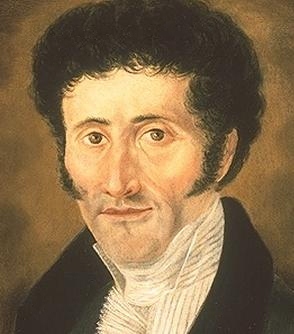


Plot and characters
The central figures are a girl (named Marie in Hoffmann's original and often called Clara in later versions), a mysterious Nutcracker who is secretly a prince, and the antagonist, the Mouse King. The narrative follows the girl's attachment to the nutcracker, a climactic battle between toy soldiers and mice, and a subsequent journey to a magical realm where the Nutcracker's true identity and origins are revealed. Hoffmann's version includes a frame of madcap and uncanny episodes and a narrator who gives the tale a darker, more complex tone than many family-friendly retellings.
Style and themes
Hoffmann wrote in a Romantic mode that blends fantasy with psychological depth. Themes include the boundary between childhood and adulthood, the power of imagination, enchantment and transformation, and the tension between reason and the uncanny. The story's mixture of whimsy and menace is one reason it has inspired diverse adaptations.
Adaptations and the ballet
Alexandre Dumas, père created a shortened, more accessible version that helped popularize the tale. In 1892 the composer Pyotr Ilyich Tchaikovsky, working with choreographers Marius Petipa and Lev Ivanov, turned the adapted story into the ballet commonly known as The Nutcracker. That production owes a debt to Dumas's adaptation, often referenced as a link in the chain from Hoffmann to the stage; see a reference to Dumas as an intermediary here. The original German title appears in scholarly discussions as Nussknacker und Mausekönig.
Legacy and cultural importance
The ballet version, premiered in Saint Petersburg, established the music, dances and visual motifs that most audiences now associate with the story; an often-cited production history includes mentions of the work and its creators here. The Nutcracker has become a seasonal staple for ballet companies worldwide and has inspired numerous films, books and recorded performances. Though Hoffmann's tale is darker and more elaborate than the popular dance adaptation, both forms continue to shape modern perceptions of the story.
Notable distinctions
- The original tale is longer and psychologically more complex than the abbreviated versions used for family entertainment.
- Character names differ across versions—Marie, Clara and other variants reflect translation and staging choices.
- The transformation from story to ballet shifted emphasis from narrative detail to musical set pieces and spectacle.
For further reading and performance histories, see references to the author and major adaptations linked above.
Related articles
Author
AlegsaOnline.com The Nutcracker and the Mouse King Leandro Alegsa
URL: https://en.alegsaonline.com/art/98539