
The Ugly Duckling — Hans Christian Andersen's tale of identity and transformation
A concise account of Hans Christian Andersen's 'The Ugly Duckling': its story, themes of belonging and change, publication history, adaptations, and lasting cultural influence.
Overview
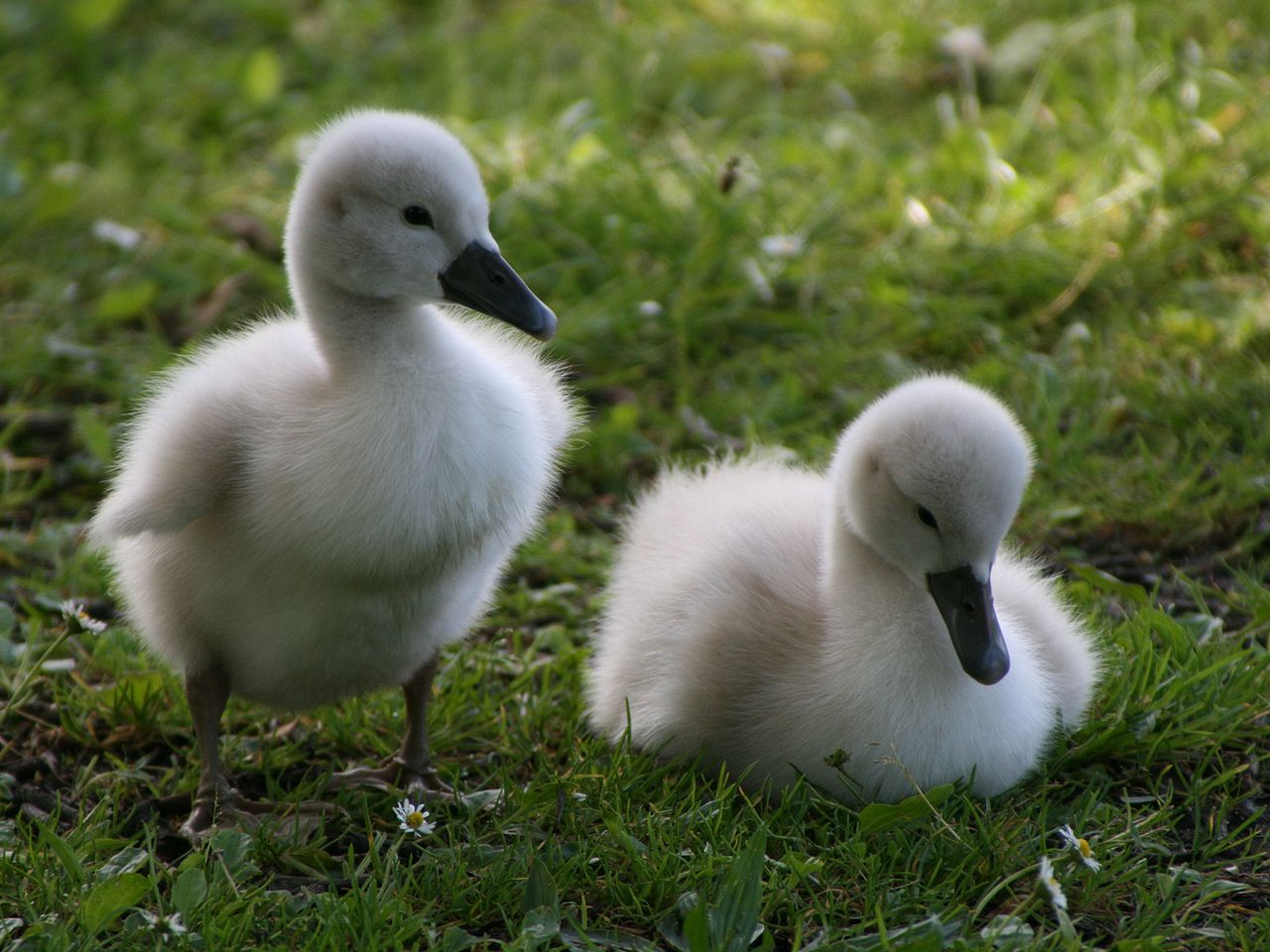
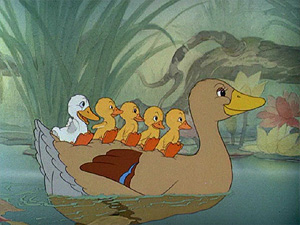
The Ugly Duckling is a short narrative by Hans Christian Andersen often classified as a literary fairy tale. In Danish the story is known as Den grimme ælling. It follows a young bird that is mocked and rejected for looking different, then grows into a swan, transforming its place in the world and how others perceive it.
Image gallery
6 Images



Themes and summary
The tale explores identity, belonging, and personal transformation. Its central arc — humiliation followed by recognition after maturation — has made it a touchstone for stories about self-discovery and social prejudice. Andersen uses natural imagery and simple events to dramatize how appearance, environment, and time shape a being's fortunes.
Structure and notable elements
The narrative is compact and episodic. Key elements include:
- Opening contrast between rural life and the outsider hatchling.
- Episodes of cruelty, flight, and survival that build sympathy for the protagonist.
- The revelation moment when the creature is recognized as a swan, not a duck.
- An implicit moral about innate worth and the unreliable nature of first impressions.
Origin and publication
Andersen devoted substantial care to this story and first released it in 1844 as part of a group of new tales that included "The Angel" and The Nightingale. Critics received the collection positively. Andersen later described the tale as partly reflective of his own life: its outsider figure and later vindication mirror themes in his biography and public reputation.
Adaptations and cultural influence
The simplicity and universality of the plot have encouraged many adaptations. Examples span stage and screen, including animated films, ballets, children's books, and television versions. The story is frequently retold in classrooms and used as a metaphor in discussions about bullying, immigration, personal growth, and artistic recognition.
Notable facts and legacy
Though often treated as a children's story, the tale's emotional depth and autobiographical undertones give it wider appeal. Its commonly cited moral — that being born in one place does not determine one's true nature — continues to resonate. The image of the 'ugly duckling' endures as a cultural symbol for unexpected transformation and the discovery of inner value.
Further reading and resources: editions, translations, and critical studies remain readily available for students and general readers interested in Andersen's work and 19th-century fairy-tale literature.
Related articles
Author
AlegsaOnline.com The Ugly Duckling — Hans Christian Andersen's tale of identity and transformation Leandro Alegsa
URL: https://en.alegsaonline.com/art/99021
Sources
- en.wikisource.org : The Ugly Duckling