
The Nose (Shostakovich opera)
An overview of Dmitri Shostakovich's satirical chamber opera The Nose: its source in Gogol's story, musical style, troubled premiere in 1930, suppression, and later reappraisal.
Overview
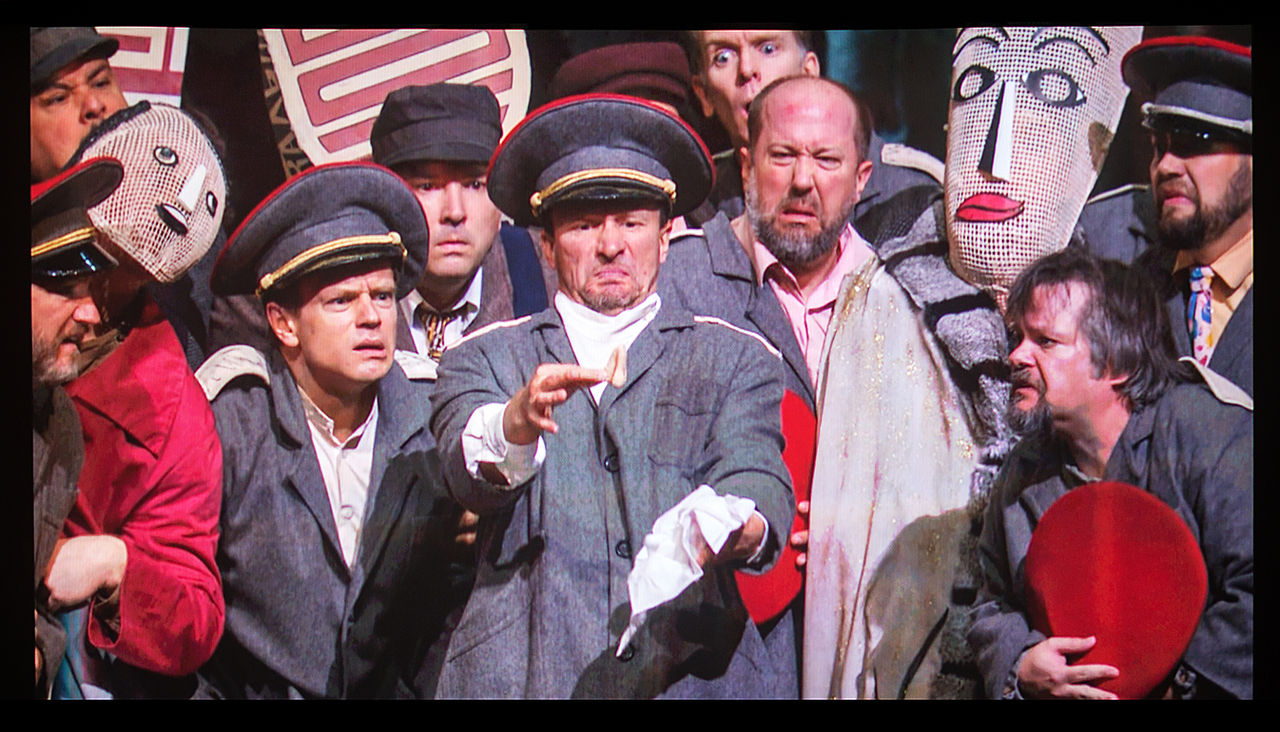
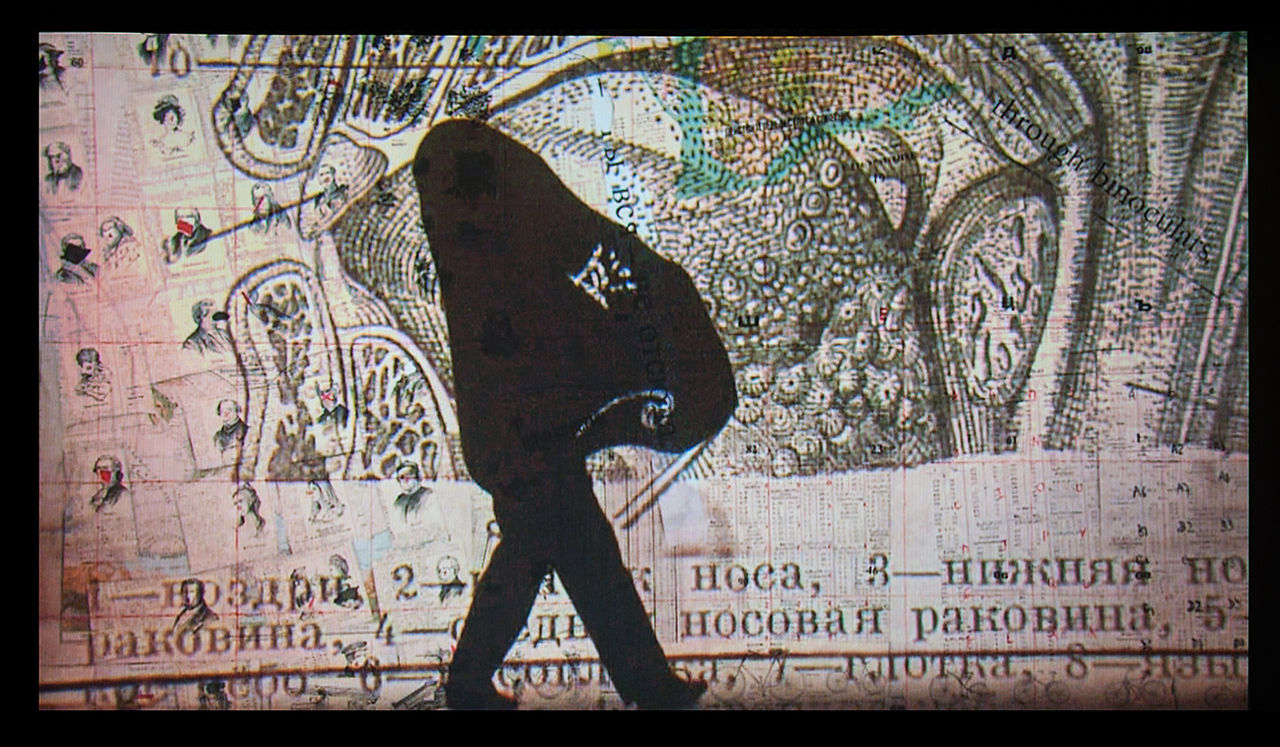
The Nose is an opera in a single act composed by Dmitri Shostakovich while he was a young composer in the Soviet Union. Based on the absurd short story by Nikolai Gogol, the work transforms a fantastical tale about a man who wakes to find his nose missing into a sharp musical satire of officialdom and social pretension. Shostakovich completed the score in 1927 and the first staged performance took place a few years later. The opera is scored for a relatively small orchestra and uses inventive vocal writing, theatrical gesture, and deliberately grotesque effects to match the surreal subject matter.
Image gallery
7 Images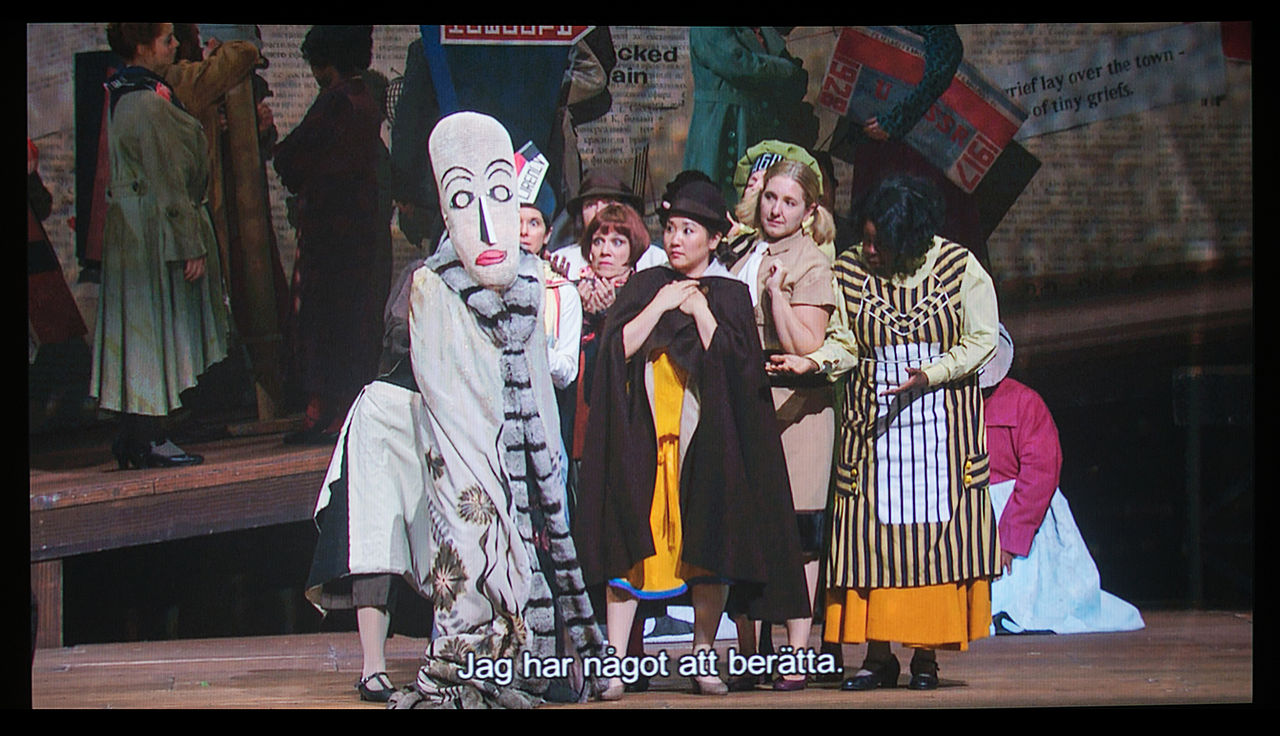


Music, form and style
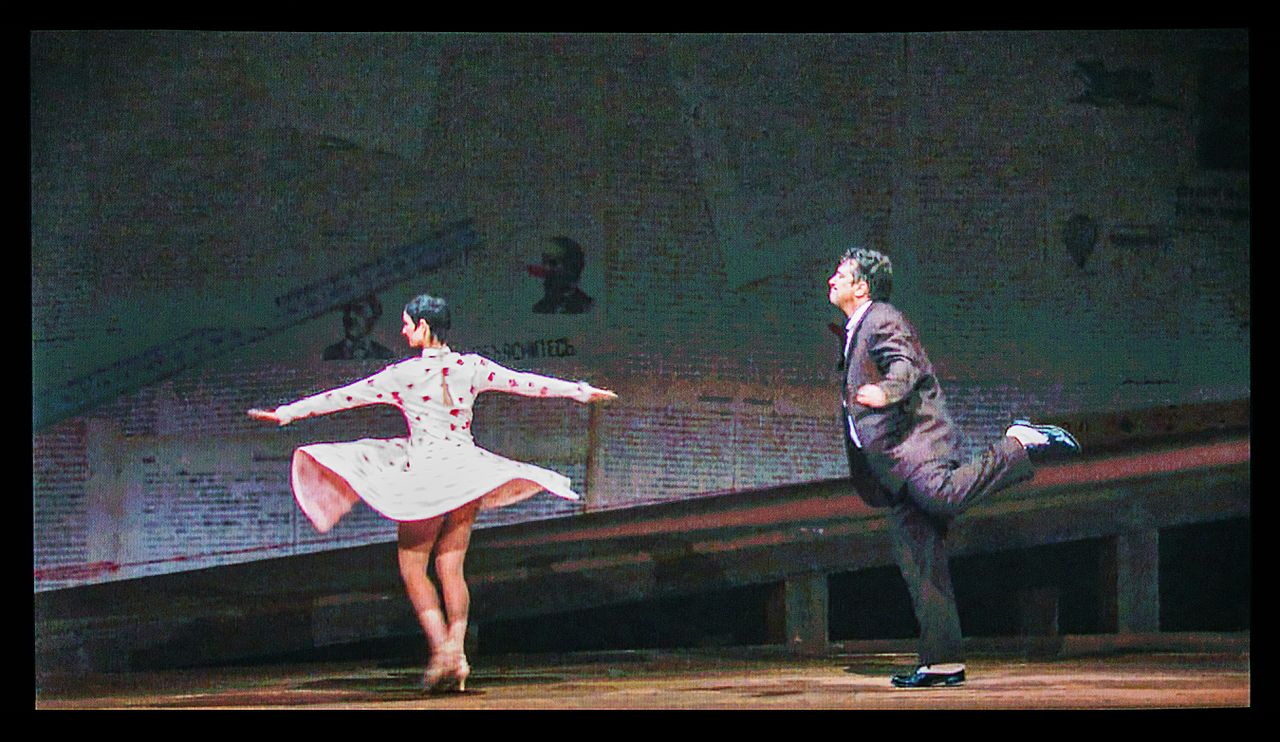
The Nose departs from conventional operatic lyricism of its time. Shostakovich synthesised influences from modernist currents then current in Soviet cities — including cabaret, popular song, and the experimental theatre — with his own penchant for ironic musical commentary. The score often juxtaposes contrasting episodes, abrupt tempo changes, and sharp orchestral colours, producing a collage-like dramatic flow rather than a long, continuous melodic line. Ensembles, parlando passages and comic interludes are prominent, and instruments frequently imitate sound effects to heighten the sense of absurdity.
Plot and characters
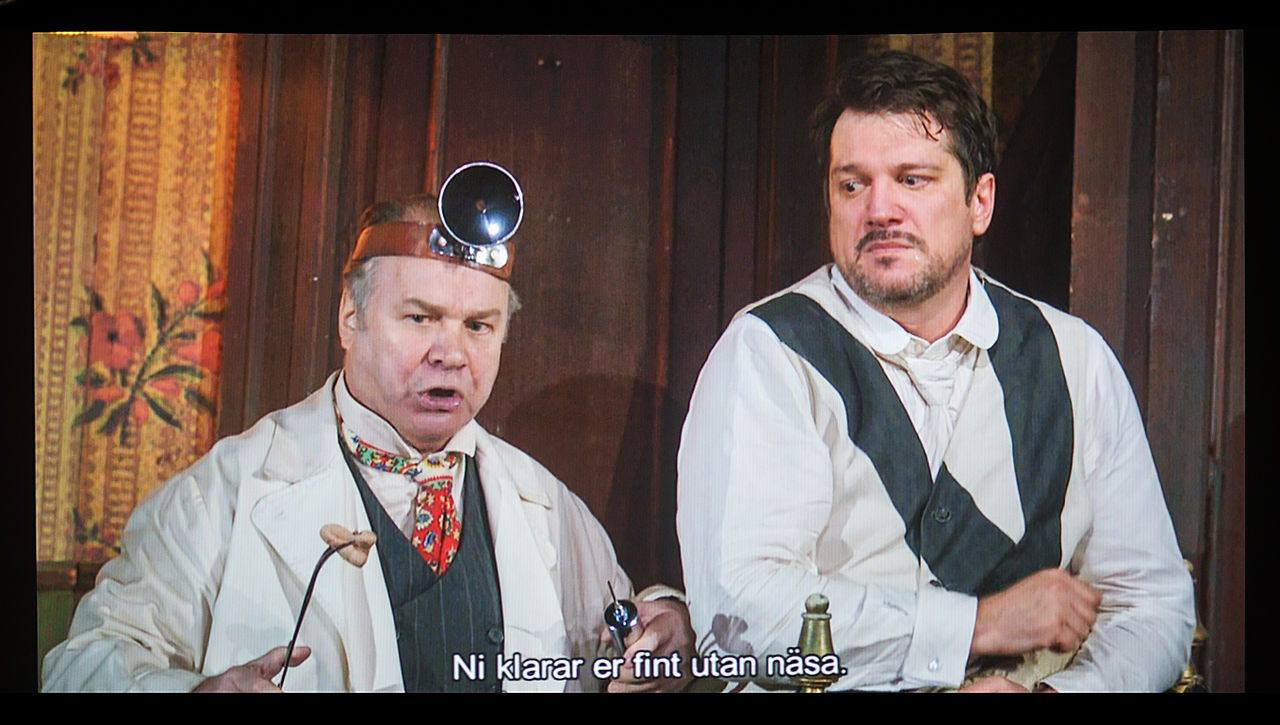
In essence the story follows Kovalyov, a minor official, who discovers that his nose has inexplicably disappeared and taken on an independent social identity. The narrative treats the missing nose not as a private tragedy but as a public humiliation: the protagonist's concern is less about bodily loss than the loss of rank and respect. The opera concentrates on encounters with bureaucrats, policemen and citizens whose reactions underline the petty hierarchies and vanity of the society being satirised. Rather than aiming for psychological realism, the work emphasises caricature and theatrical exaggeration.
Premiere, reception and suppression
The initial performances encountered a shifting cultural and political climate. When The Nose was first staged it attracted both admiration for its inventiveness and hostility from critics who found its tone and methods challenging. As Soviet cultural policy hardened in the late 1920s and early 1930s, critical opinion turned against many experimental works, and the opera quickly fell out of the active repertory. It was not regularly performed again in the Soviet Union until decades later, when conductors and theatre-makers began to re-evaluate Shostakovich's early output and recognise the opera's originality and satirical edge.
Importance and legacy
Today The Nose is often discussed as an early demonstration of Shostakovich's dramatic imagination and his ability to combine irony with sophisticated musical technique. It is studied as an example of how 20th-century composers adapted literature and modern theatre strategies to opera, and it continues to interest directors who stage it as a vivid, compact work that interrogates power, identity and social theatre. Performances outside its country of origin helped reassess the opera's place in the repertory and show how satire and musical modernism can coexist in a compact operatic form.
Further reading and resources
- General article on The Nose (opera)
- Dmitri Shostakovich: composer biography and works
- Composition history and dates
- Context: Soviet cinema and cultural life in the 1920s
- Experimental theatre influences
- Meyerhold and avant-garde stage practice
- Nikolai Gogol: the original short story
- Gogol's tale and its themes
- Documentation of the 1930 premiere
- Contemporary critical reaction and reviews
- Soviet cultural policy and censorship
- Revival histories and later productions
- Scholarly analyses of The Nose
Questions and answers
Q: What is The Nose?
A: The Nose is an opera by Dmitri Shostakovich based on the story written by Nikolai Gogol.
Q: When was The Nose written?
A: The Nose was written in 1927 by Dmitri Shostakovich.
Q: How did Shostakovich make Soviet operas interesting again?
A: Shostakovich made Soviet operas interesting again by taking the story called The Nose which was written by Nikolai Gogol and turning it into an opera.
Q: What is The Nose about?
A: The Nose is about a man who wakes up one day to find his nose has gone.
Q: When was The Nose first performed?
A: The Nose was first performed in 1930.
Q: Why did the performances of The Nose have to stop after the critics wrote negative things about it?
A: The performances of The Nose had to stop after the critics wrote negative things about it because of the political situation in the Soviet Union which was being ruled by the dictator Stalin.
Q: What does The Nose satire?
A: The Nose is a satire that pokes fun at bureaucrats: people in official jobs who think they are more important than they really are.
Related articles
Author
AlegsaOnline.com The Nose (Shostakovich opera) Leandro Alegsa
URL: https://en.alegsaonline.com/art/98534