
Beatles for Sale
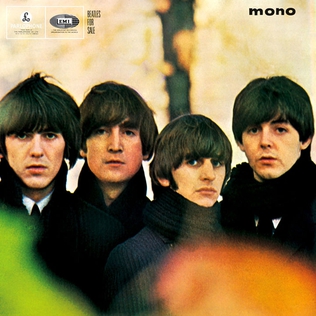
Beatles for Sale is the Beatles' fourth UK studio album, released in late 1964. Marked by a weary, more introspective tone and several covers, it bridged their early pop period and later songwriting development.
The Beatles released Beatles for Sale in late 1964 as their fourth UK studio LP. Coming on the heels of relentless touring and a string of hit singles, the record mixes original compositions with several cover songs and shows a darker, more reflective side than earlier Beatles records. Although the UK sequence presented the album as a single package, Capitol Records in the United States split material across releases — most notably on Beatles '65 — while other tracks later appeared on the compilation Beatles VI.
Image gallery
3 Images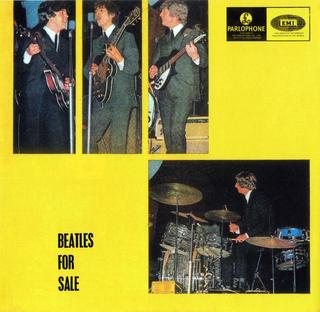
Recording context and songwriting
The album was recorded almost immediately after the sessions for A Hard Day's Night, leaving little time for prolonged composition. The band's principal songwriters, John Lennon and Paul McCartney, who had already written much of the group's catalogue, supplied a core of new material but were constrained by the pace of touring and filming commitments. As a result, the finished record contains a notable number of original songs alongside a set of familiar numbers drawn from their early live repertoire and studio influences.
Covers, repertoire and live roots
Because of the compressed schedule the band included several well-rehearsed cover versions — tracks they had performed in clubs and on the road for years. Many of these tunes dated from the group’s pre-fame days in places such as Hamburg, and they reflect how the Beatles sounded onstage at the time. Press officer Derek Taylor noted in the original liner commentary that the recordings captured a stage-like energy rather than a studio-polished reinvention.
Musical style and themes
Compared with earlier releases, Beatles for Sale displays a more autumnal mood: lyrics and performances often feel world-weary, intimate and influenced by folk and country idioms. Songs such as "I'm a Loser" invited comparisons with contemporary folk-inspired lyricists — critics linked its approach to Bob Dylan — while other tracks hint at jangly guitar sounds that would later be associated with groups like The Byrds. Ballads like "I'll Follow the Sun" show McCartney revisiting an older composition and refining it into a succinct, melancholic statement.
Notable tracks and versions
- Originals that stand out for maturity: "No Reply", "I'm a Loser", "I'll Follow the Sun" and "What You're Doing".
- Covers retained from the band's club sets include renditions of early rock, rhythm-and-blues and country numbers.
- Several performances from this period survive in live and broadcast form: the group recorded versions for shows and sessions that circulated later via official BBC releases and archives (BBC recordings) and through concert tapes.
The album represents a transitional moment: the Beatles were still delivering pop hits but were beginning to explore more personal themes and a broader palette of styles. Contemporary reviews were mixed, noting both fatigue and artistic growth; historians and fans often view the record now as an important step toward the more experimental and introspective work that followed. Its mixture of originals and covers, and the evident influence of folk, country and American rock, document how a relentlessly working band converted stage-tested material into studio records while coping with intense outside demands.
Beatles for Sale remains a document of a band in flux: touring, recording, and developing its songwriting voice. For listeners tracing the Beatles’ evolution, the album offers early evidence of the deepening lyrical concerns and stylistic variety that would characterize their later albums.
Questions and answers
Q: What is the name of The Beatles' fourth album?
A: The Beatles' fourth album is called Beatles for Sale.
Q: When was it released?
A: It was released in late 1964.
Q: Who wrote most of the songs on the album?
A: John Lennon and Paul McCartney wrote most of the songs on the album.
Q: How much time did they have to compose new music for this album?
A: They had very little time to compose new music, as they began recording their next album only a week after finishing A Hard Day's Night.
Q: What type of songs were featured on this album?
A: This album featured cover versions of songs that The Beatles had performed live in Hamburg, Germany and the Cavern in Liverpool before they were famous.
Q: How did critics respond to the original songs on this record?
A: Critics praised the original songs on this record, noting that Lennon and McCartney had grown and improved as writers. "I'm A Loser" was compared to Bob Dylan's work, while "I'll Follow The Sun" was an early song given a rewrite and "What You're Doing" imitated the musical style of The Byrds who were just becoming popular at that time.
Q: Are there any live recordings available from this era?
A Yes, several live versions of some of these albums have since appeared which were recorded when The Beatles played in Germany or for BBC Radio.
Related articles
Author
AlegsaOnline.com Beatles for Sale Leandro Alegsa
URL: https://en.alegsaonline.com/art/9852