
Cover version (music)
A cover version is a new recording of an existing song by a different singer or band. Covers reshape material for new audiences and can become more famous than the originals.
Overview
A cover version, commonly shortened to "cover," is a new recorded or performed rendition of an existing song by an artist other than the one who first released it. A cover may be produced by a different singer or a different band, and it can range from a faithful recreation to a radical reworking that alters arrangement, tempo, language, or genre.
Image gallery
1 Image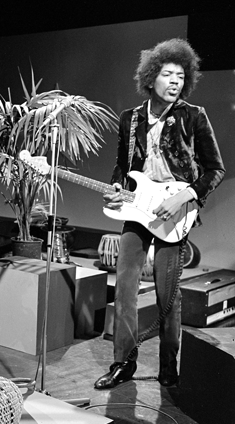
Characteristics and approaches
Covers vary widely in how closely they follow the original. Some common approaches include:
- Straight covers that preserve melody, structure and instrumentation.
- Arranged covers that change instrumentation or harmony to fit a new style.
- Genre-transposing covers that move a song from one musical tradition to another (for example, rock to acoustic folk or pop to jazz).
- Interpretive covers where a performer emphasizes new emotional shading, phrasing or vocal delivery.
History and development
Covers have been part of popular music since recorded music and radio broadened audiences. In earlier eras, multiple artists often released versions of the same tune for different markets. Over time covers became a deliberate artistic and commercial choice: record labels, radio programmers and live performers used familiar material to reach listeners. Some early rock and pop-era cases illustrate how a cover can eclipse its source: for example, Paul Revere and the Raiders recorded "Louie, Louie" before it became a major hit for The Kingsmen, and the Raiders' recording of "(I'm Not Your) Steppin' Stone" achieved greater fame in the hands of The Monkees.
Uses and significance
Artists cover songs for many reasons: to pay tribute, to introduce a classic to new listeners, to showcase a different interpretive angle, or to reach commercial success by reconnecting with a well-known melody. Live performances, tribute albums and talent-show formats often rely on covers. In some cases a cover becomes definitive in public memory and the original songwriter or earlier performer remains lesser known despite creating the piece.
Legal and economic aspects; distinctions
Recording and releasing a cover typically involves licensing and royalties that compensate the songwriters and rights holders. Covers differ from related practices: a parody alters lyrics for comedic effect, a sample reuses a portion of an existing recording in a new track, and an interpolation re-creates part of a composition rather than using the original recording. Each of these has different creative and legal implications.
Notable examples and standards
Some compositions have been recorded so often that they are treated as pop or jazz standards. A celebrated example is "Without You," written by Peter Ham and Tom Evans of Badfinger, whose version was later popularized by Harry Nilsson and then covered by many others, including Mariah Carey. Songs written by members of The Beatles, such as those by Paul McCartney and George Harrison, also appear frequently in other artists' repertoires. These examples show how covers can extend a song's life, cross stylistic boundaries and sometimes become the dominant version heard by new generations.
Questions and answers
Q: What is a cover version?
A: A cover version is a song which has been re-recorded by a singer or band after another artist has released their own recording of it.
Q: How can cover versions be different from the original recordings?
A: Cover versions can either be similar to the original recordings, or they can be very different.
Q: Are there any songs that became more popular as cover versions than in their original recordings?
A: Yes, some songs become more popular as cover versions than in their original recordings. For example, Paul Revere and the Raiders recorded two songs, "Louie, Louie" and "(I'm Not Your) Steppin' Stone", that were bigger hits for other bands (The Kingsmen and The Monkees respectively) than their own versions.
Q: What are some examples of songs that have become standards due to being covered so many times by different artists?
A: Examples of songs that have become standards due to being covered so many times by different artists include "Without You" (written by Peter Ham and Tom Evans of the band Badfinger), which was first covered by Harry Nilsson before being covered by dozens of other singers including Mariah Carey; "Yesterday" written by Paul McCartney; and "Something" written by George Harrison of The Beatles.
Q: Who wrote the song “Without You”?
A: The song “Without You” was written by Peter Ham and Tom Evans of the band Badfinger.
Q: Who originally recorded “Without You”?
A: Harry Nilsson originally recorded “Without You”.
Related articles
Author
AlegsaOnline.com Cover version (music) Leandro Alegsa
URL: https://en.alegsaonline.com/art/23695
Sources
- digital.library.unt.edu : Hear examples of original and cover versions · web.archive.org