
The Lorax
A concise encyclopedia entry on Dr. Seuss's 1971 children's fable The Lorax: its story, characters, themes of environmentalism and industry, major adaptations, and the reception and debate it inspired.
Overview
The Lorax is a children's book written by Dr. Seuss and first published in 1971. Presented as a short fable, it uses imaginative language and creatures to address the effects of unchecked industrial activity on the natural world. The narrative voice and illustrations combine whimsy with a cautionary message about conservation and responsibility.
Image gallery
2 Images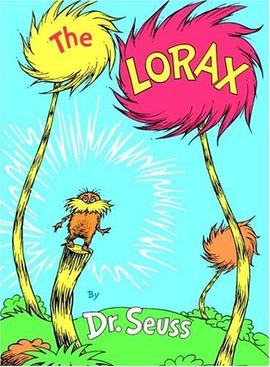
Plot and main characters
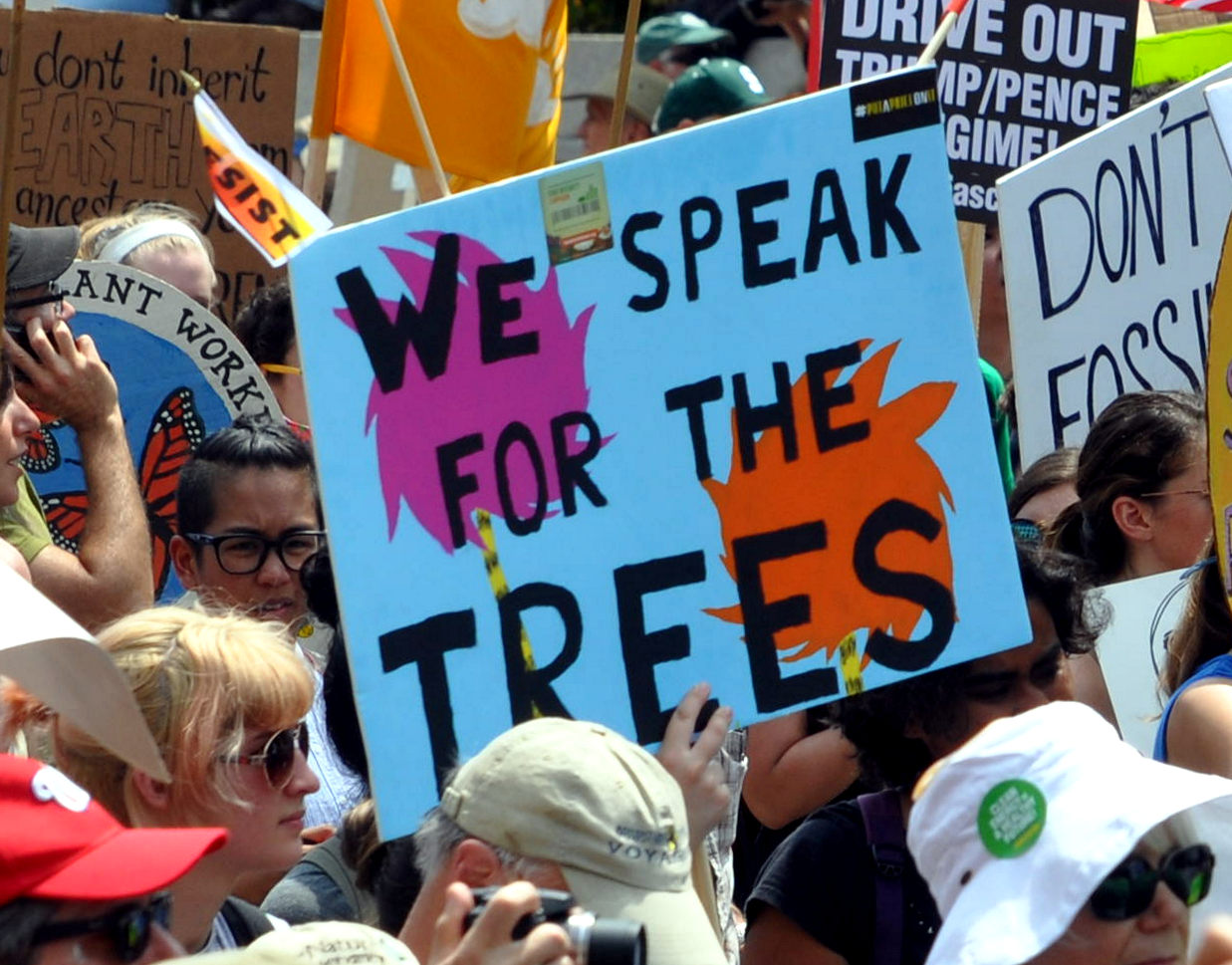
The story centers on a small, mustachioed figure called the Lorax, who "speaks for the trees" and protests the actions of the Once-ler, an entrepreneur who harvests the bright Truffula trees to produce a manufactured product called a Thneed. As the Once-ler’s operation expands, the local ecosystem—inhabited by creatures such as Bar-ba-loots, Swomee-Swans and Humming-Fish—suffers from habitat loss, pollution, and the depletion of resources. The book ends with a challenge and a token of hope for future stewardship.
Themes and characteristics
The Lorax is commonly read as an allegory about environmental stewardship, industrial growth, and moral responsibility. Its main themes include:
- Conservation versus exploitation
- The long-term consequences of short-term profit
- Individual responsibility and collective action
Publication history and adaptations
Since its 1971 publication, the book has been widely distributed and translated. It has inspired adaptations in other media, including a 1972 televised special and a later full-length animated film released in 2012. These adaptations brought the story to new audiences while interpreting its characters and conflicts for different formats and generations.
Notable adaptations include a 1972 TV special that simplified the tale for broadcast and a 2012 motion picture that expanded the plot and characters for a feature-length audience. Both remain part of the book’s cultural footprint and are often mentioned in discussions of the work’s reach and influence.
Reception, controversies and legacy
The Lorax has been praised for introducing environmental issues to children, but it has also generated debate. Some critics felt the tone was bleak or moralizing for young readers; others objected that the story portrayed industry and resource use in an unfairly negative light. Representative controversies involved concerns from the logging industry and broader industry debates about regulation and portrayal of commerce. Scholars, educators and activists continue to discuss its merits as a teaching tool and its role in popular environmental discourse.
Further reading and context
The Lorax is often situated alongside other works that use fable and satire to explore social and ecological issues. Readers interested in literary context and criticism can consult entries and analyses that treat the book both as a milestone in children’s literature and as a cultural artifact reflecting growing environmental awareness of its era. For concise references and archival information see the book’s main bibliographic entries and critical summaries at fable studies, discussions of environmental literature at environmental criticism and resources on conservation and nature at nature resources. For adaptation histories consult summaries of the 2012 film at the 2012 adaptation and the 1972 television special at the 1972 special.
Related articles
Author
AlegsaOnline.com The Lorax Leandro Alegsa
URL: https://en.alegsaonline.com/art/98381