
The London Gazette
The London Gazette is the United Kingdom's official public record, first issued in 1665. It publishes legal, governmental and state notices on weekdays and maintains an extensive searchable archive.
Overview
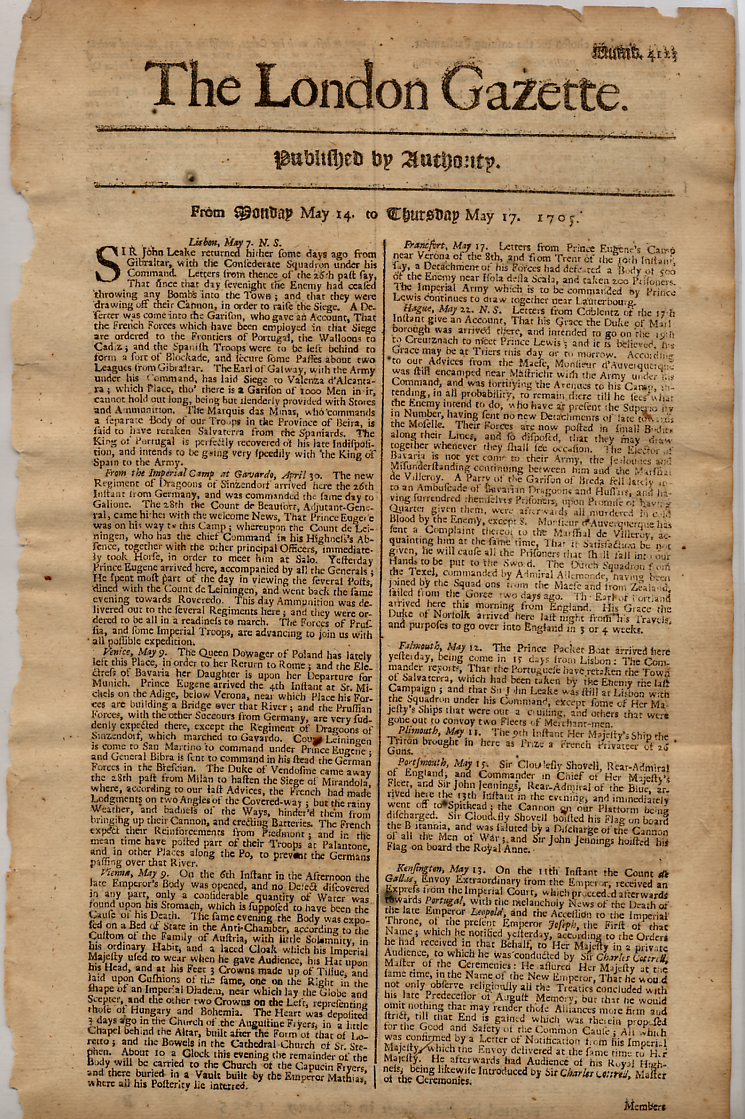
The London Gazette is an official journal of record for the British government and Crown. Unlike a commercial paper, it serves principally to publish formal notices with legal or public significance: proclamations, official appointments, honours, insolvency and bankruptcy notices, and other statutory announcements. The Gazette styles itself as the oldest surviving English newspaper, reflecting an uninterrupted lineage of official publications that began in the 17th century.
Image gallery
4 Images


Content and legal role
Entries in the Gazette are not editorial news stories but authoritative notices used as public evidence of a government action. Typical categories include:
- Royal and ministerial appointments, resignations and honours
- Military promotions, despatches and casualty lists in past eras
- Bankruptcy, insolvency and statutory company notices
- Legal notices required by statute and public proclamations
Because publication in the Gazette can satisfy statutory publication requirements, many legal processes and corporate procedures rely on it as the recognised means of notifying the public.
Origins and historical development
The first issues of what became the London Gazette were printed during the 1660s amid the upheavals of plague and war. It originated as an official bulletin intended to communicate government dispatches and proclamations. Over the centuries the format, production and distribution of the Gazette have changed while its basic function—as a formal channel for public and legal notices—has remained constant.
Publication and access
The Gazette is issued on weekdays and traditionally did not publish on bank holidays. Today it is available both in print formats and online through official channels, allowing users to search current notices and historical records. Large parts of its archive have been digitised, making centuries of official announcements accessible for legal research and public reference. As an official public record, it is routinely consulted by lawyers, historians, businesses and members of the public.
Distinctive features and significance
Its specialised remit, continuity and legal standing distinguish the Gazette from ordinary newspapers. It forms part of a family of United Kingdom gazettes that include regional equivalents. The publication remains a primary instrument for formal communication between the state and citizens and continues to be published each weekday, excluding bank holidays, preserving a long tradition of official transparency and public notice.
Related articles
Author
AlegsaOnline.com The London Gazette Leandro Alegsa
URL: https://en.alegsaonline.com/art/98367
Sources
- gazettes-online.co.uk : Welcome to Gazettes
- gazettes-online.co.uk : Search the London Gazette Archive