
Tokyo Prefecture (Tokyo-fu): a historical overview
Tokyo Prefecture (東京府, Tokyo-fu) was a Meiji-era administrative unit centered on the city of Tokyo from 1869 until reorganization in 1943 into the Tokyo Metropolis (Tokyo-to).
Tokyo (disambiguation) — Tokyo Prefecture (東京府, Tokyo-fu) was a former Japanese prefectural-level government established in the early Meiji period. It encompassed the city that succeeded Edo and surrounding districts, administering an evolving mix of urban wards, towns and rural villages until its reorganization in 1943 into the modern Tokyo Metropolis (Tokyo-to).
Image gallery
6 Images

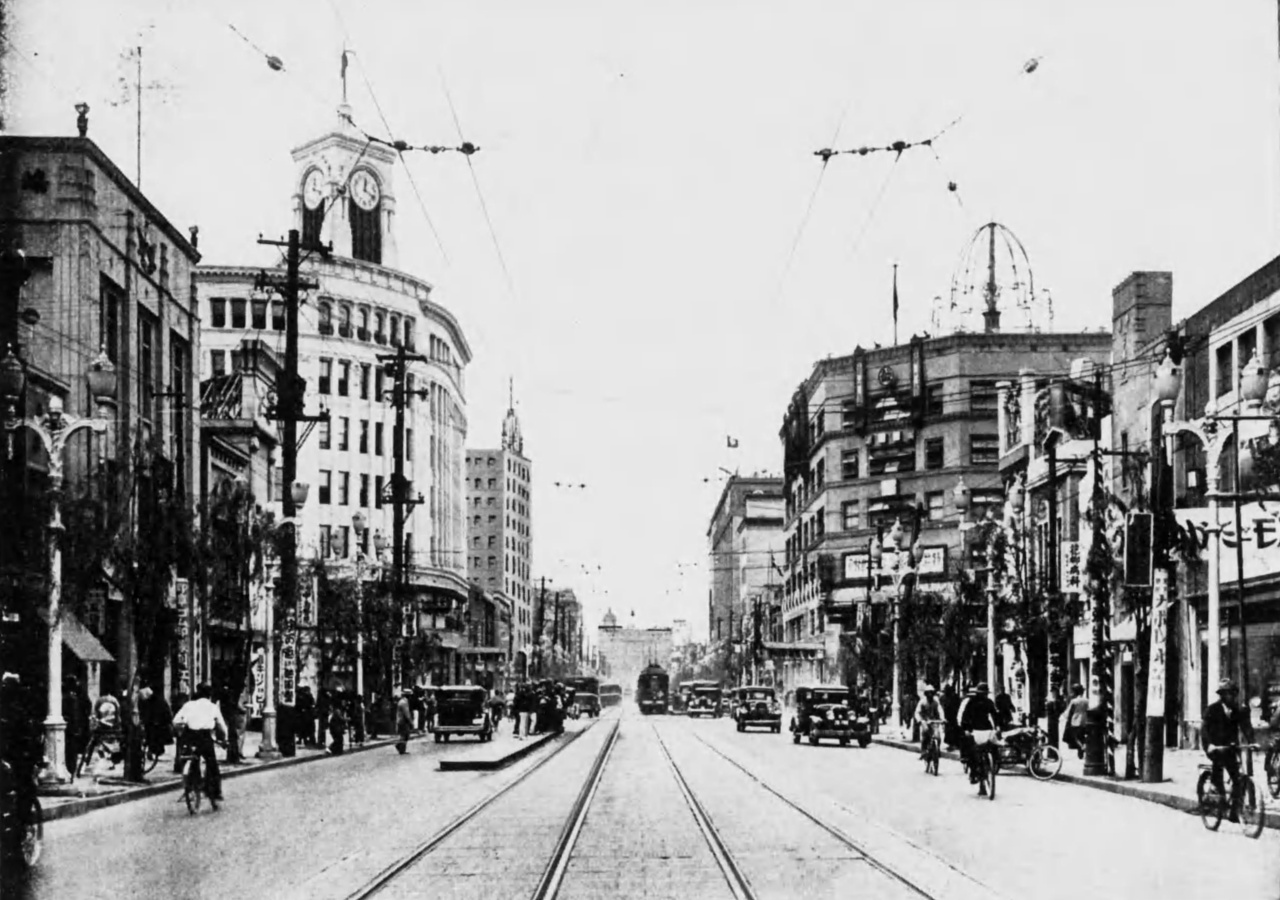


Overview
Tokyo Prefecture functioned as the regional civil authority for the national capital area. It differed from many other prefectures in Japan because it contained the nation's principal city and concentrated political, economic and cultural institutions. The prefectural government supervised municipal affairs, maintained infrastructure and coordinated services across densely populated urban neighborhoods and adjacent suburban and rural zones.
Administration and territory
Under the prefectural system, Tokyo-fu contained multiple kinds of municipalities: city wards, independent cities, towns and villages created by the modern municipal code. Over time its borders and internal divisions were revised to reflect rapid urban growth, transportation development and municipal mergers. The prefectural government operated alongside national ministries in the capital, which made Tokyo-fu's administrative role especially prominent and sometimes unique compared with other prefectures.
History and transformation
The formation of Tokyo Prefecture followed the Meiji Restoration's restructuring of Japan's political geography when Edo was renamed Tokyo. During the late 19th and early 20th centuries the prefecture adapted to urbanization and industrialization. In 1943 the municipal and prefectural organizations were consolidated to create a new metropolitan government, commonly called Tokyo Metropolis (Tokyo-to), replacing the separate Tokyo City and Tokyo Prefecture administrations and altering local governance in the capital region.
Legacy and significance
Although Tokyo Prefecture no longer exists, its institutions and boundaries shaped modern Tokyo's administrative identity. The 1943 reorganization led to a distinctive metropolitan structure that remains important for urban planning, public services and the special status of Tokyo's central wards. Historians and urban scholars study Tokyo-fu to understand governance, municipal reform and the capital's adaptation to rapid growth.
Notable facts
- Tokyo Prefecture was a product of Meiji-era modernization and centralization.
- Its consolidation into Tokyo Metropolis created a government model different from ordinary prefectures.
- For further reading on administrative changes see related government and historical sources.
Related articles
Author
AlegsaOnline.com Tokyo Prefecture (Tokyo-fu): a historical overview Leandro Alegsa
URL: https://en.alegsaonline.com/art/100319
Sources
- metro.tokyo.jp : 東京都年表 (in Japanese)
- tools.wmflabs.org : 35°41′N 139°46′E / 35.68°N 139.77°E / 35.68; 139.77