
Tokyo Metro Ginza Line
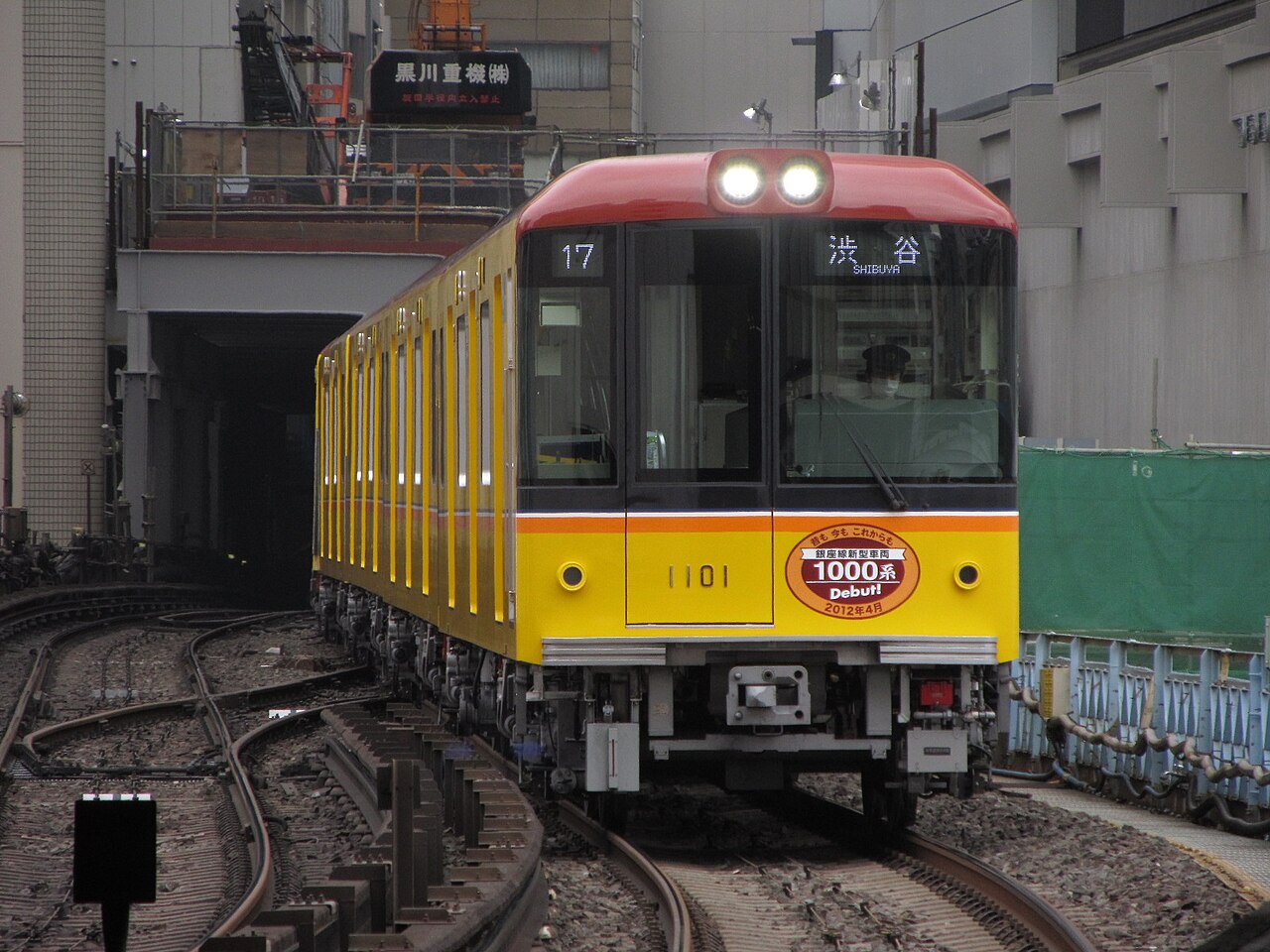
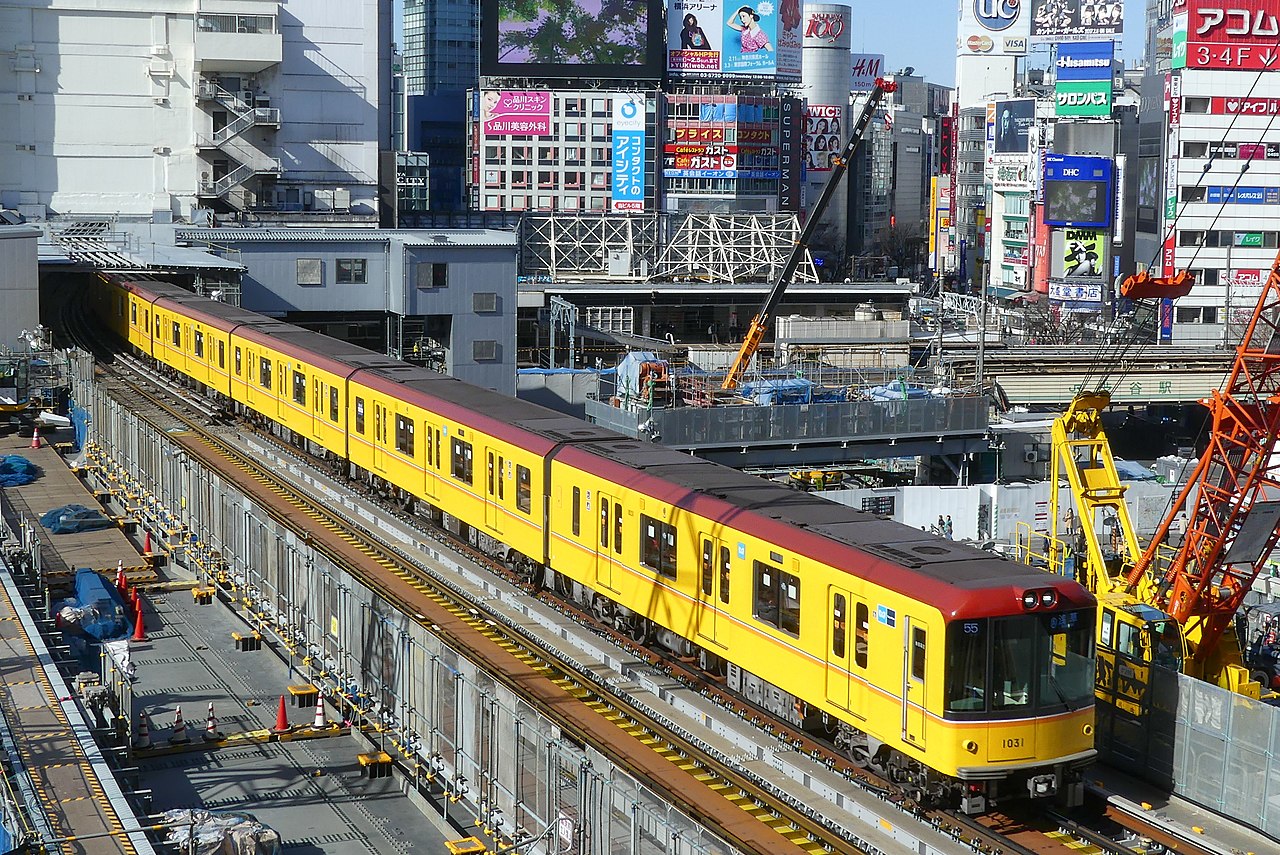
The Ginza Line is Tokyo's oldest subway line, operated by Tokyo Metro. It links Shibuya and Asakusa, serves central shopping and cultural districts, and has distinctive small-profile tunnels and historic significance.
Overview
The Ginza Line is the oldest metro route in Tokyo and one of Japan's earliest underground railways. Today it is operated by Tokyo Metro and forms a compact, high-frequency corridor through central Tokyo to major commercial and cultural districts. It is widely identified by its orange color and the letter "G" on maps and signage.
Image gallery
4 Images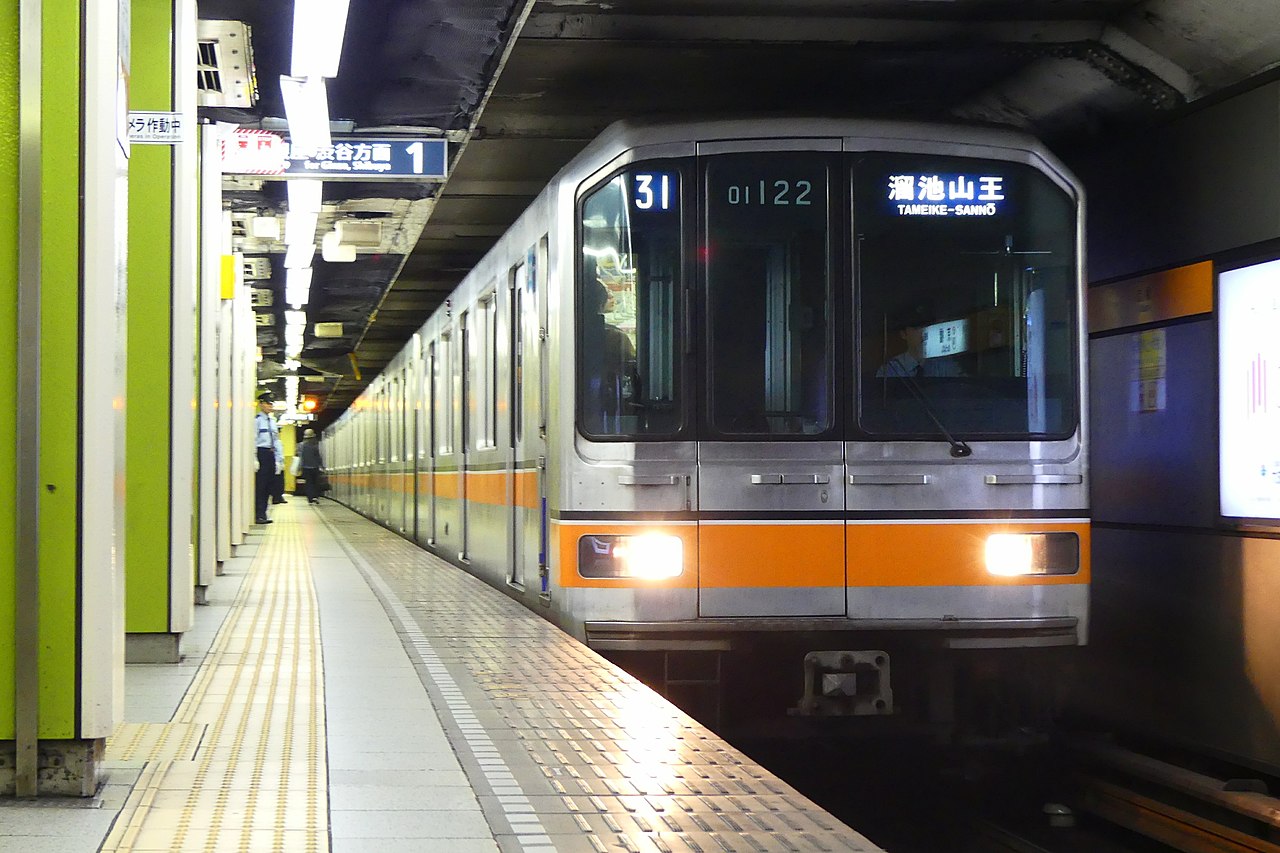

Route and characteristics
The line runs roughly southwest–northeast across central Tokyo, connecting busy hubs and tourist areas such as Shibuya, Ginza, Ueno and Asakusa. Stations tend to be closely spaced, reflecting the line's role as an inner-city connector rather than a long-distance commuter route. Service patterns emphasize short trains at frequent intervals to match the line's narrow tunnels and platform dimensions, a legacy of early construction standards.
History and development
Construction took place in the late 1920s and 1930s, making the Ginza Line a pioneering urban-rail project in Japan. It was built before the larger modern subway network and spurred later expansion of rapid transit across the capital. The line has been modernized repeatedly: early wooden coaches and simple stations were replaced over decades by safer, electrified rolling stock and updated passenger facilities while retaining much of its historic alignment.
Operations and passenger experience
The Ginza Line is used by commuters, shoppers and sightseers alike. Trains are frequent and stations are designed for quick transfers to other metro and rail lines, helping distribute passengers across Tokyo's dense transit grid. Signage and announcements are multilingual in many stations to assist international visitors, and many platforms provide easy access to nearby shopping streets, department stores and cultural sites.
Significance and notable facts
- As Tokyo's first subway, the line influenced standards and routes for later network growth.
- Its smaller tunnel profile and short trains are a distinctive engineering legacy among Tokyo's lines.
- The route is frequently cited for its convenience to major shopping districts and tourist destinations.
For operational details, maps and service updates consult the operator's resources: Tokyo Metro, or general travel information for Tokyo and Japan.
Related articles
Author
AlegsaOnline.com Tokyo Metro Ginza Line Leandro Alegsa
URL: https://en.alegsaonline.com/art/100312