
The Lawnmower Man (1992 film)
A 1992 science-fiction horror film about an intellectually limited man transformed by experimental virtual reality and drugs. Notable for its VR themes, mixed reviews, and a legal dispute with Stephen King.
Overview
The Lawnmower Man is a 1992 science fiction–horror film that explores early popular ideas about virtual reality, intelligence enhancement, and the ethical consequences of experimental science. The story follows a simple, exploited man who becomes the subject of experiments that dramatically change his cognitive abilities and perception of the world. The film blends practical effects and then-emerging computer-generated imagery to visualize altered consciousness.
Image gallery
1 Image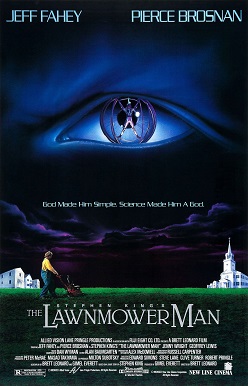
Plot and central themes
The narrative centers on a vulnerable, mentally challenged individual who is taken into a research program and exposed to a combination of psychoactive treatment and immersive virtual-reality training overseen by a scientist. As the subject's intelligence grows, so do his abilities and his sense of agency, but these changes lead to conflict with the researchers and with society. The film examines themes of power, responsibility, dehumanization in science, and the potential perils of accelerating mental change through technology.
Cast, crew and production
The movie was directed by Brett Leonard and features performances by Jeff Fahey in the lead role and Pierce Brosnan as the scientist who supervises the program. Production emphasized visual experimentation to represent virtual environments, combining practical makeup and early CGI effects. The modest budget and technological constraints of the time shaped both the look of the film and its reception.
Reception, controversy and box office
Upon release the picture received a mixed response: some viewers and reviewers praised its ambition and visual imagination, while others criticized plot choices and character development. The film was the subject of a public dispute with author Stephen King, whose short story of the same name inspired the title and prompted legal action over the association; this controversy affected publicity and audience expectations. Overall, it earned roughly $32 million during its theatrical run, reflecting modest commercial success. For a summary of the contemporary critical reaction see critical reception and commentary by film critics.
Legacy and related works
The film helped popularize cinematic depictions of virtual reality in the early 1990s and is often cited in discussions about how mainstream culture imagined cyberspace before the internet became ubiquitous. It spawned a sequel and various home-media releases, and it remains a point of reference for media historians tracing VR's representation in popular entertainment. Debates around the film also highlight distinctions between adaptations and works that merely borrow a title or concept from existing literature; the authorial dispute is a recurring example in such conversations about creative credit.
Key points
- Genre: science fiction and horror
- Notable actor: Pierce Brosnan
- Publicity included a legal dispute with Stephen King and discussion of religious and ethical themes
- Box office and commercial reach referenced via box office figures
- Contemporary commentary and reviews are cataloged under critical reception and by film critics
Related articles
Author
AlegsaOnline.com The Lawnmower Man (1992 film) Leandro Alegsa
URL: https://en.alegsaonline.com/art/98322