
The Lion in Winter (1968 film)
A 1968 historical drama adapted from James Goldman’s play, depicting a fictionalized, tense Christmas court of Henry II and Eleanor of Aquitaine as family rivalries over succession unfold.
The Lion in Winter is a 1968 British historical drama film adapted from James Goldman’s stage play. It stages an intense, fictionalized confrontation within the royal household of the Angevin Empire, centring on King Henry II and his wife Eleanor of Aquitaine. Directed by Anthony Harvey, the screen version brought together a celebrated ensemble including Peter O'Toole, Katharine Hepburn, Anthony Hopkins and Timothy Dalton, with a score by John Barry. The movie was released in late 1968 and remains known for its sharp dialogue and strong performances.
Image gallery
3 Images

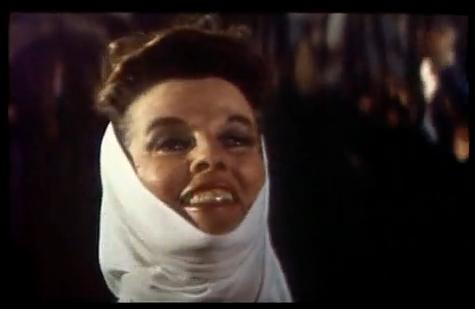
Plot and setting
The narrative is set during a cold Christmas court in the 12th century, when dynastic succession and political alliances are fragile. The story imagines a few days of bargaining, accusations and shifting loyalties as the aging king and his estranged queen manipulate and are manipulated by their sons and guests. Although it uses real historical figures, the film emphasizes character drama over strict chronology, turning a medieval family crisis into a claustrophobic, psychologically charged play for power.
Cast and characters
- Peter O'Toole as King Henry II — a weathered, cunning monarch.
- Katharine Hepburn as Eleanor of Aquitaine — politically astute and fiercely proud.
- Anthony Hopkins and Timothy Dalton among the actors portraying Henry’s sons and rivals.
- Supporting performances populate the court with allies, rivals and emissaries whose loyalties shift with circumstance.
Production and style
Adapted from a popular 1960s stage play, the film preserves much of the play’s concentrated structure: limited locations, rapid-fire exchanges and theatrical confrontations. Direction and cinematography open the drama slightly to filmic space while retaining an emphasis on language, posture and moral contest. John Barry’s musical score underscores the emotional currents without overwhelming the dialogue-driven drama.
Themes and reception
The Lion in Winter explores themes of power, legacy, gender and the corrosive effects of distrust within ruling families. Critics and audiences praised the performances—particularly the lead actors—and the film received strong awards attention and enduring recognition as a classic screen adaptation of stage drama. Its blend of historical figures with speculative personal conflict invites reflection on how historical narratives are shaped by the demands of drama.
Though presented as a historical piece, viewers should note the film’s fictionalized episodes and compressed timeline. For those interested in medieval history, dynastic politics, or compact, character-driven cinema, the film remains a frequently cited example of successful stage-to-screen adaptation from the late 1960s. It is also an accessible entry point to the personalities and tensions that have long captured historians and storytellers about the British crown and its continental possessions.
Related articles
Author
AlegsaOnline.com The Lion in Winter (1968 film) Leandro Alegsa
URL: https://en.alegsaonline.com/art/98350