
Fool (Tarot): Origins, symbolism, numbering, and use in divination and games
Explore the Fool tarot card: origins, evolving numbering, key symbolism and interpretations, and its roles in divination, historic play, and modern card games.
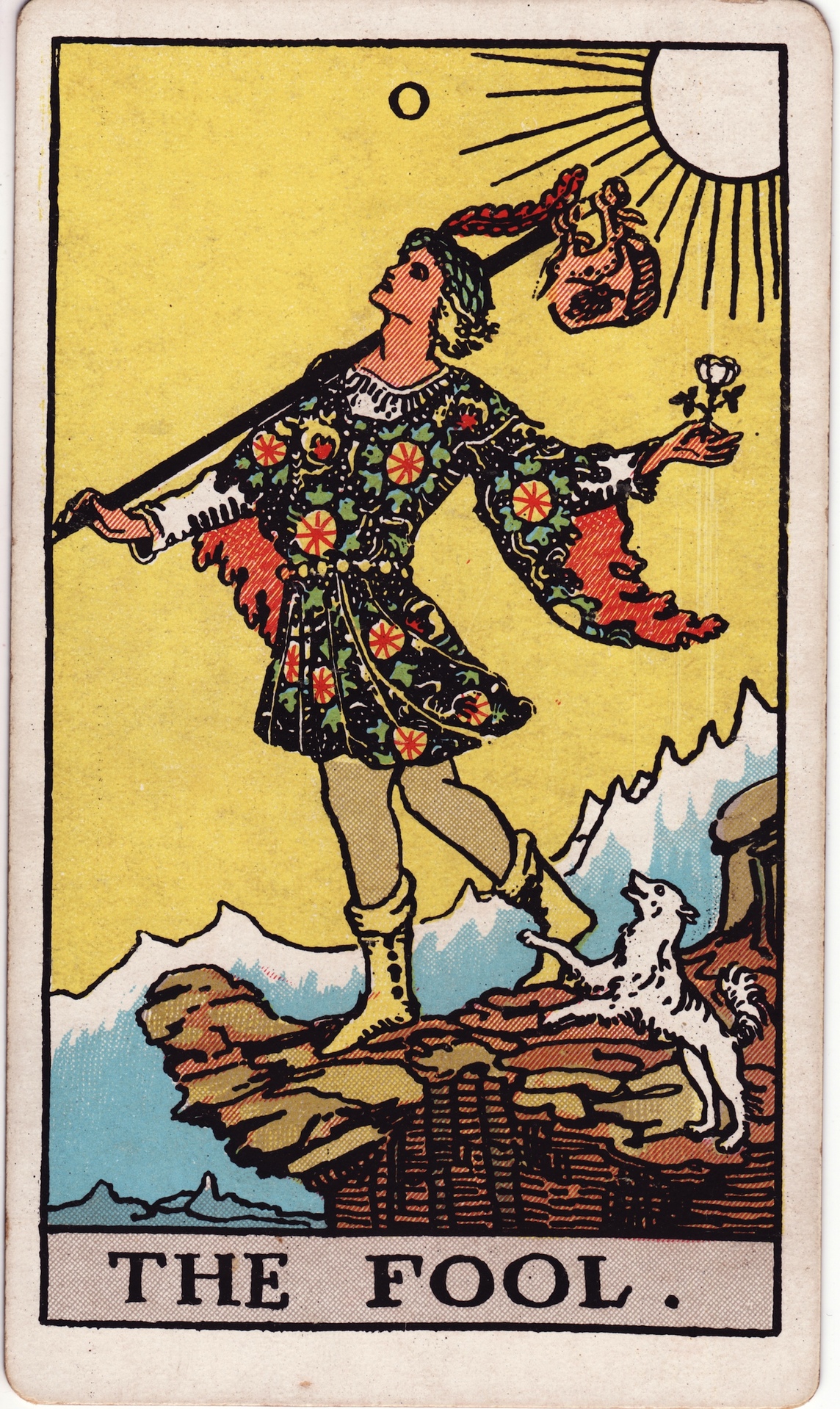
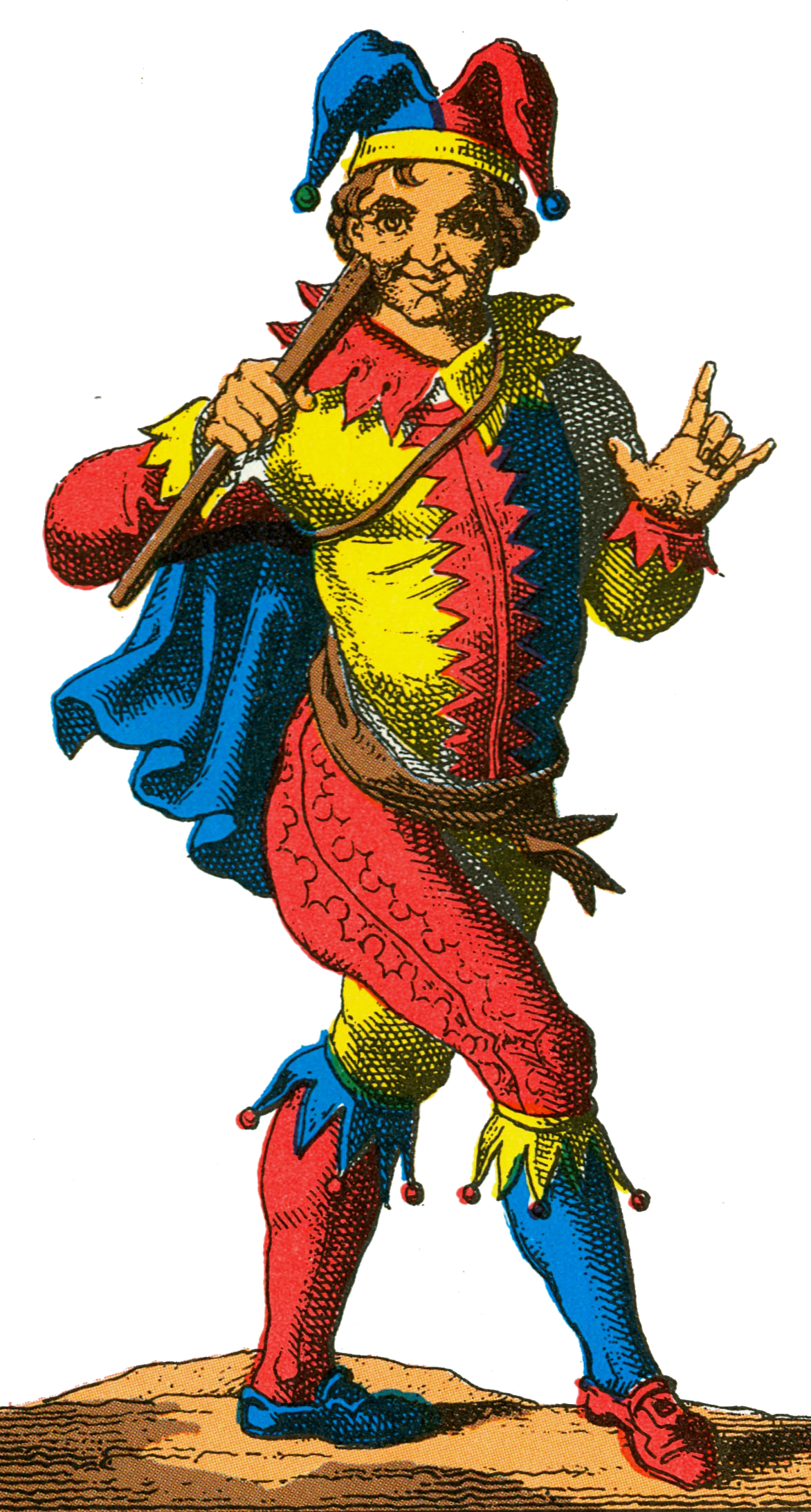
The Fool, sometimes called The Jester or Il Matto in Italian, is one of the 78 cards found in a traditional Tarot pack. It belongs to the set of 22 Trump cards that together form the Major Arcana. Unusually among the Major Arcana, the figure represented by this card survives in the modern playing-card deck as the ancestor of the joker. The Fool is commonly given the number 0 and appears in both gaming and divination contexts.
Image gallery
10 Images




Overview
The card typically depicts a lone, often youthlike figure on the verge of a journey. Artists and decks vary widely in detail, but the card is consistently associated with ideas of beginnings, inexperience, freedom, and potential. Its interpretation depends on cultural context, the specific deck art, and the method used by readers or players.
Iconography and symbolism
- Common visual elements include a traveller with a small pack, an animal companion (frequently a dog), a staff or wand, and a natural landscape such as a cliff or mountains. These motifs suggest travel, risk, and the unknown.
- Symbolic readings emphasize openness, spontaneity, innocence, and the leap of faith involved in starting something new. At the same time, the card can warn of carelessness or naivety when taken in a cautionary sense.
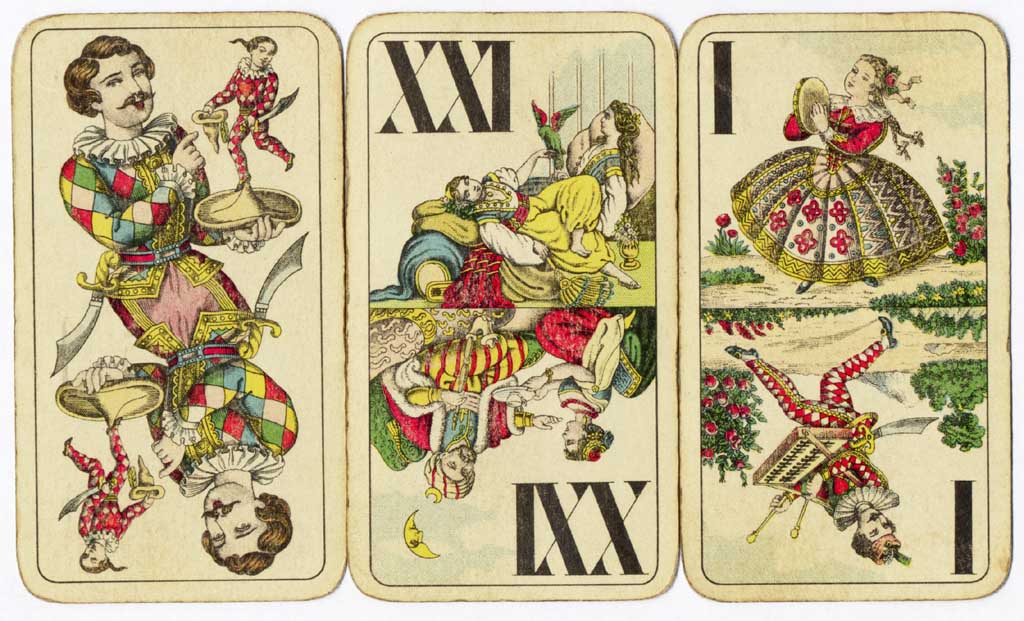
- Different historical and modern decks (for example, the widely used Rider–Waite style and various historic Italian and French patterns) place varying emphasis on particular symbols; therefore the card’s nuance shifts between traditions.
Numbering and placement
Although most contemporary decks label The Fool with the numeral 0, earlier and alternate schemes have treated it differently. In some historic sequences it appears unnumbered; in certain occult or esoteric arrangements it may be placed either at the beginning of the Major Arcana or after the final card, with corresponding shifts in interpretive meaning.
Use in divination and interpretation
In readings, practitioners commonly distinguish between upright and reversed positions, attributing distinct senses to each.
- Upright interpretations often include new beginnings, openness to experience, trust, and adventurousness.
- Reversed interpretations are frequently taken to indicate recklessness, poor judgment, avoidance of responsibility, or the consequences of impulsive choices.
These are tendencies rather than fixed rules; reputable readers combine the card’s imagery, its position in a spread, and surrounding cards to form a balanced interpretation.
Role in card games and modern decks
Historically the Fool served various roles in tarot card games, sometimes acting as an excuse, a high-value card, or a special card exempt from usual trick-taking rules. Over time the figure influenced the creation of the joker in contemporary playing-card decks, which performs many different functions depending on the game—often as a wild card or highest-ranking card.
Related articles
Author
AlegsaOnline.com Fool (Tarot): Origins, symbolism, numbering, and use in divination and games Leandro Alegsa
URL: https://en.alegsaonline.com/art/97998