
The Feminine Mystique
A 1963 book by Betty Friedan that examined women's roles in mid-20th century America and helped catalyze second-wave feminism, exploring the dissatisfaction of many suburban housewives.
Overview
The Feminine Mystique is a non‑fiction book first published in 1963 that examined the social and psychological pressures surrounding women's roles in postwar United States. Written by Betty Friedan, the work used interviews, social analysis and contemporary research to argue that many women were unfulfilled by an existence narrowly defined by domesticity. The book is widely credited with helping to spark the movement often called second‑wave feminism; it brought attention to what Friedan labeled "the problem that has no name." The Feminine Mystique remains one of the most cited popular texts about gender and family life in the twentieth century.
Image gallery
2 Images
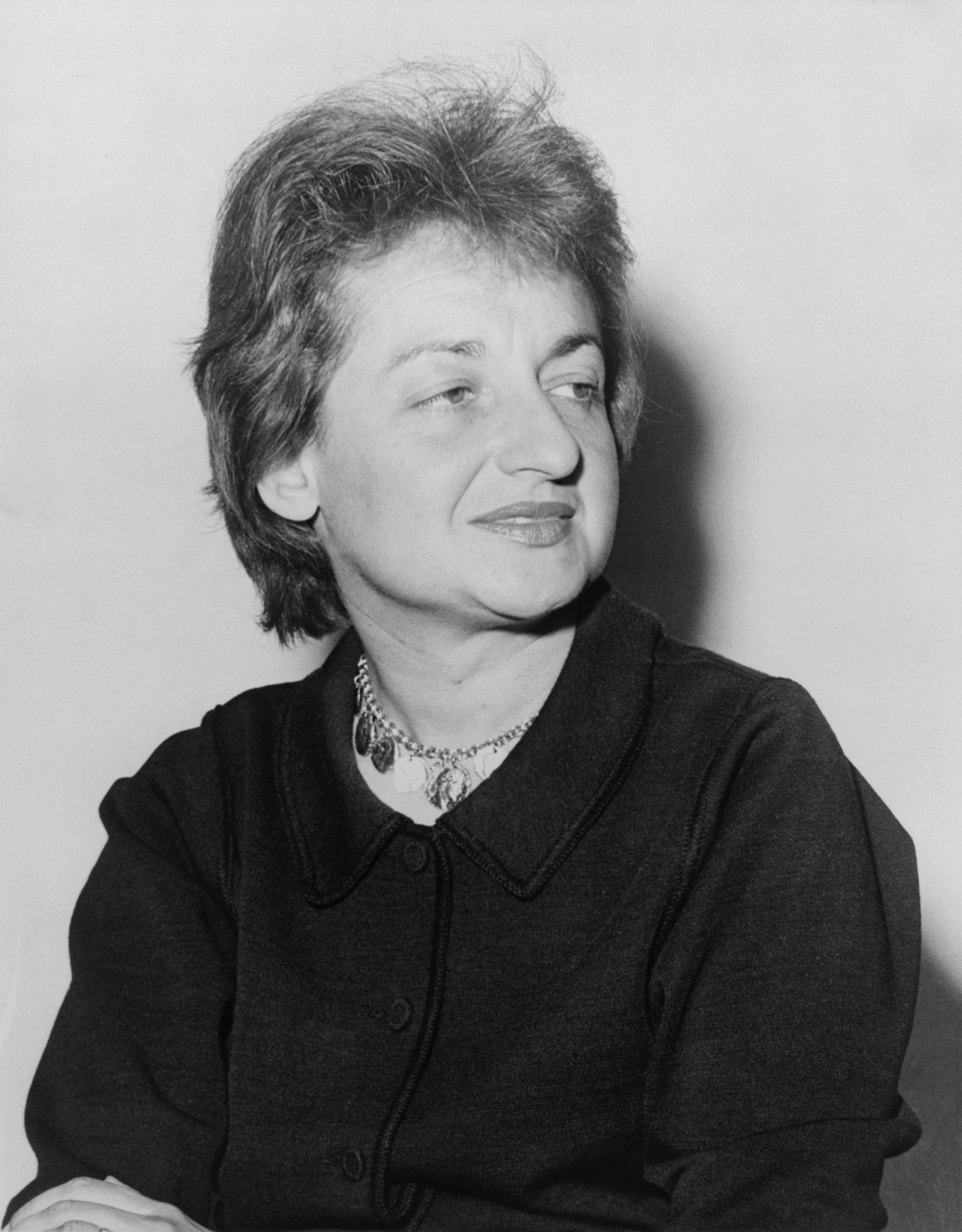
Main themes and structure
Rather than offering a systematic academic treatise, the book combines anecdote and investigation. Friedan reported conversations with women, surveyed cultural messages from advertising and media, and reviewed psychological and sociological literature of the era. Key themes include:
- The cultural ideal of womanhood centered on marriage, motherhood and homemaking.
- The psychological consequences of restricted roles, such as boredom, depression and loss of identity.
- Institutional barriers to women's education, employment and public life.
- The contrast between private dissatisfaction and public representations of happy suburban family life.
Context and publication
Betty Friedan, who had worked as a writer and activist, drew on her experiences and on interviews with former classmates to document a widespread sense of dissatisfaction among middle‑class housewives. After initial difficulty placing an article on the subject, Friedan expanded the material into a book, which appeared in the early 1960s amid shifting social and economic conditions in the United States. The book was widely discussed in the press and among policy makers when it appeared. More background on the author is available at Betty Friedan.
Reception, influence and legacy
The book sold rapidly and reached a broad public audience. It has been credited with helping to organize and energize feminist activism in the 1960s and 1970s. Specific impacts often cited include increased public discussion of women's access to paid work, reforms in educational and employment practices, and the growth of advocacy groups focused on gender equality. Historians and activists frequently point to the book as a catalyst for what is known as second‑wave feminism.
Criticisms and later perspectives
While influential, the book has also received critique. Some commentators note its emphasis on the problems of middle‑class, largely white suburban women and argue it gave less attention to the experiences of women of color, working‑class women, and those outside the suburban ideal. Others have debated Friedan's prescriptions and the extent to which cultural versus structural changes were necessary. Despite these discussions, the book's role in shifting national conversation about gender roles is widely acknowledged.
Notable facts
The book introduced phrases and ideas that entered popular discourse and its publication marked a moment when private dissatisfaction with prescribed domestic roles became a public topic. It sold millions of copies and has been reprinted in numerous editions. For readers seeking an introduction to mid‑20th century debates about gender, family and work, Friedan's book remains a frequently cited starting point.
Related articles
Author
AlegsaOnline.com The Feminine Mystique Leandro Alegsa
URL: https://en.alegsaonline.com/art/97969
Sources
- books.google.com : Motherhood misconceived: representing the maternal in U.S. film
- nytimes.com : Betty Friedan, Who Ignited Cause in 'Feminine Mystique,' Dies at 85