
The Fifty-three Stations of the Tōkaidō
A survey of the famous ukiyo-e series depicting the Tōkaidō road between Edo and Kyoto, its artistic features, editions by Hiroshige, historical context, and lasting influence.
Overview
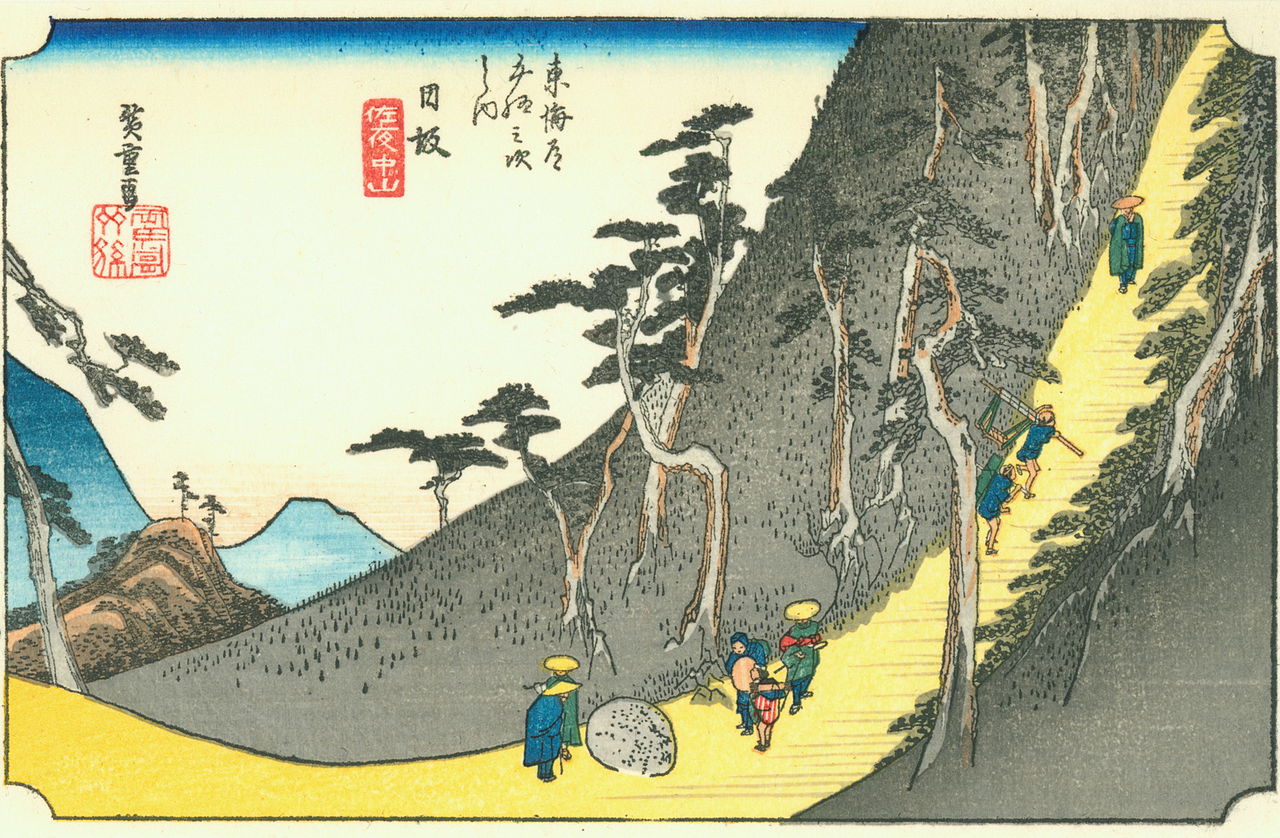
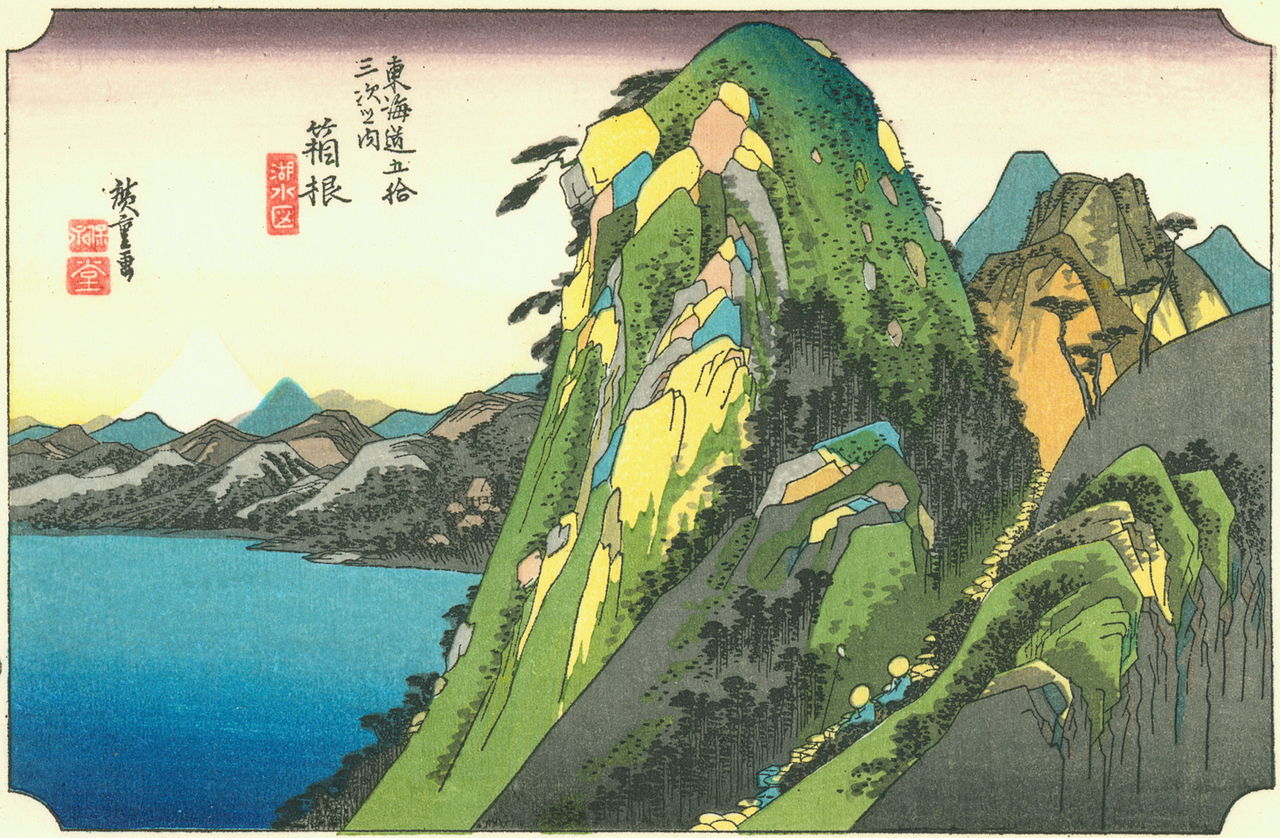
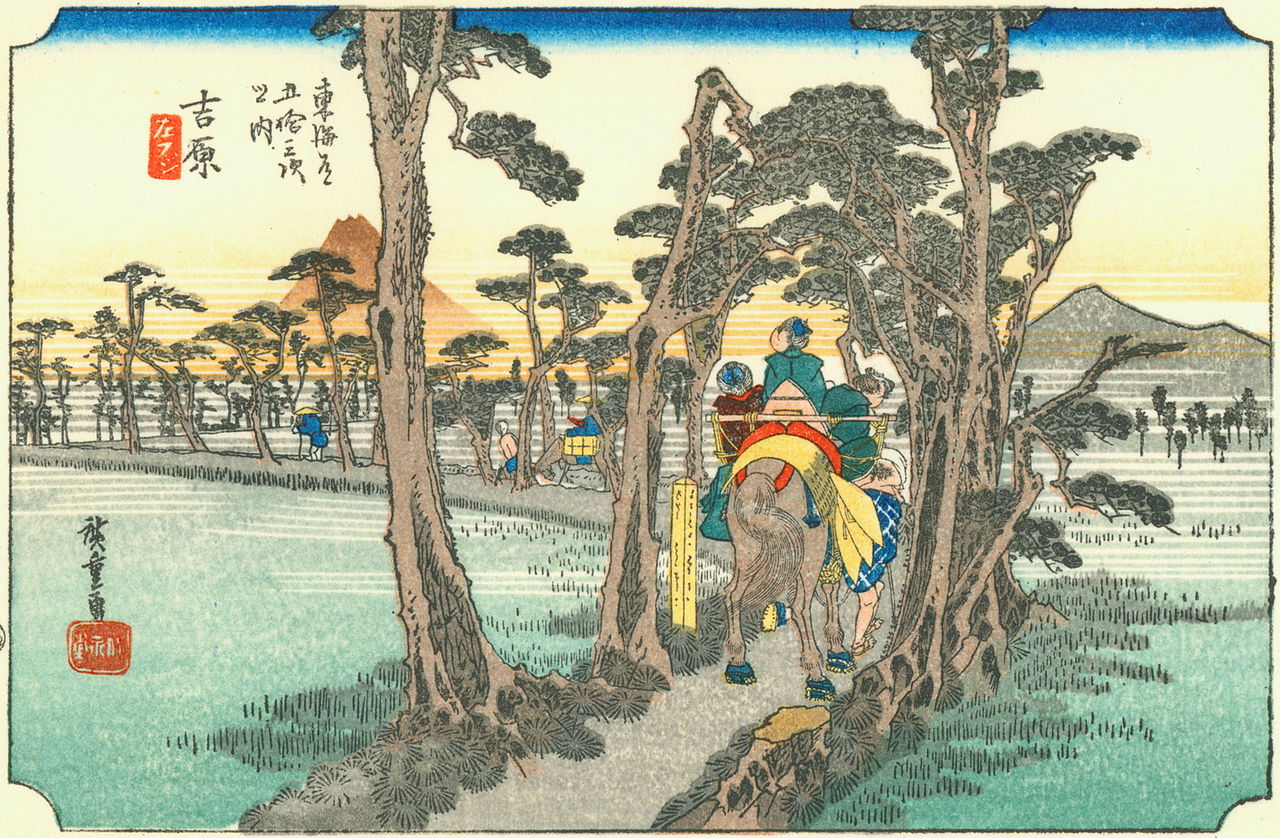
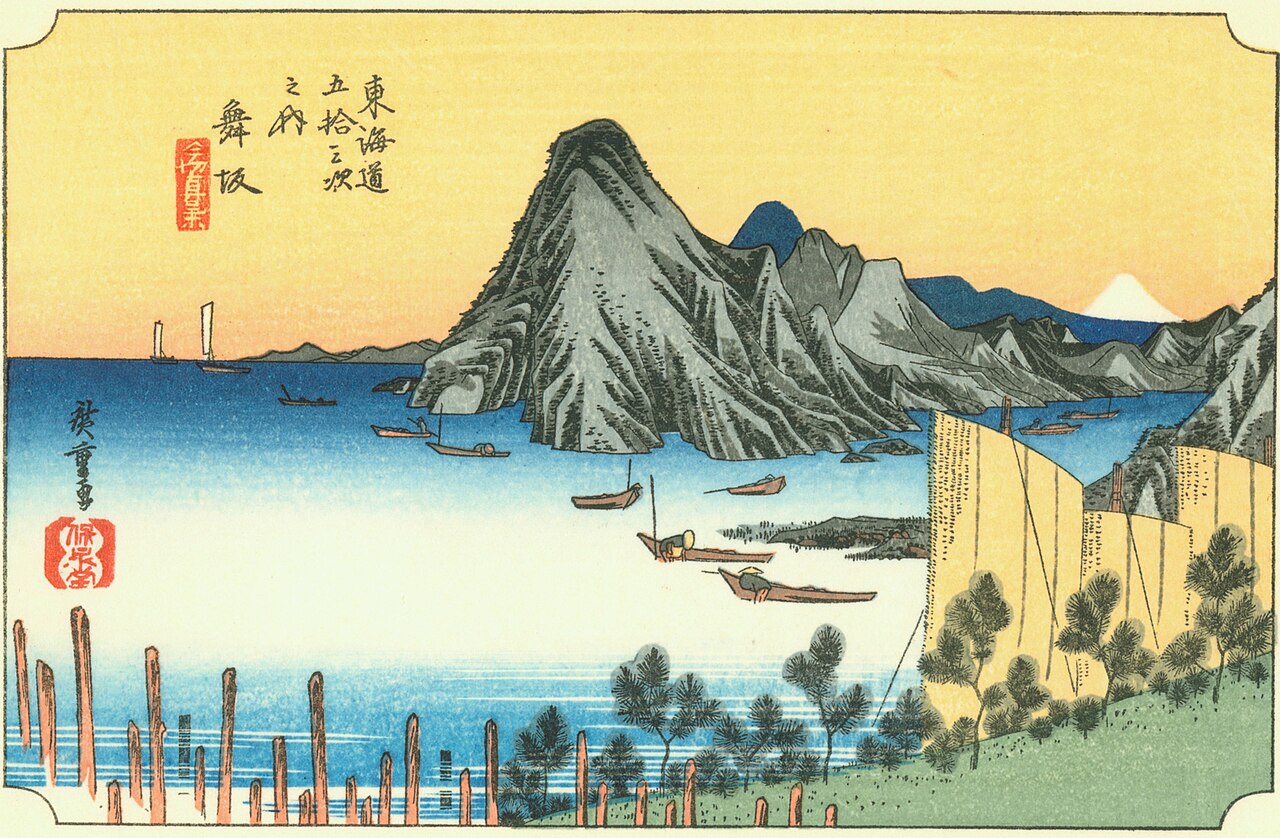
The Fifty-three Stations of the Tōkaidō refers to the network of official post towns along the Tōkaidō, the principal coastal route linking Edo (modern Tokyo) and Kyoto during Japan's Edo period. The phrase is also widely associated with celebrated woodblock-print series that depict the route and its stations, most famously those produced by the ukiyo-e master Hiroshige. These prints record landscapes, travelers and local scenes, combining topography with poetic composition.
Image gallery
10 Images


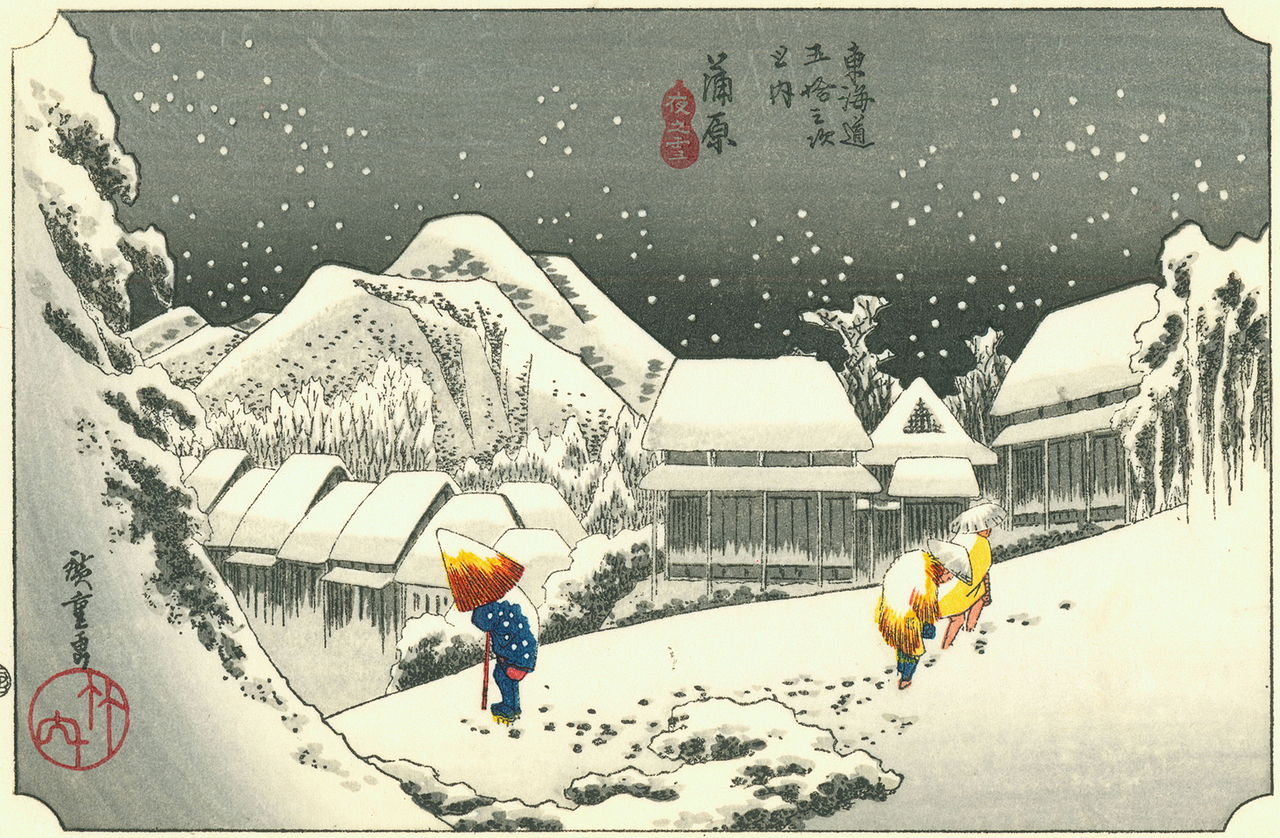


Characteristics of the series
Typical prints portray a single station or view, often emphasizing seasonal effects, weather, and human activity. They were made with the multi-block polychrome technique called nishiki-e and usually present a harmonious balance between foreground figures and distant scenery. Many compositions use diagonal perspective and atmospheric gradation to suggest depth.
History and editions
The Tōkaidō route itself was codified by the Tokugawa shogunate as a string of 53 post towns offering lodging and services to official and civilian travelers. Artists in the 18th and 19th centuries produced numerous pictorial series of the route. Hiroshige created several versions of the subject; his best-known sequence came early in his career and was published as a commercially successful set of prints that popularized particular views and motifs. Other artists, printsellers and publishers issued variant sets, alternate compositions and parodies.
Influence and uses
These images functioned as travel mementos, guidebook illustrations and works of art. They helped shape popular ideas about regional landmarks and informed later cartography and tourism. In the West, 19th-century collectors and painters admired the series for its compositional innovations and clear tones; it influenced Impressionist and Japonist artists who adopted flattened perspectives and bold cropping.
Notable facts and distinctions
- The term "Fifty-three Stations" names the post towns; many print series include additional views of the endpoints.
- Prints vary by edition, publisher and state; color, inscriptions and minor details can differ between impressions.
- Scholars study these works for their blend of documentary detail and artistic invention, and for what they reveal about travel, commerce and visual taste in Edo Japan.
For an introduction to the genre and its technique, see resources on ukiyo-e and on individual artists such as Hiroshige. Collectors and museums continue to exhibit and research Tōkaidō series because they encapsulate both the physical route and changing cultural responses to landscape and mobility.
Related articles
Author
AlegsaOnline.com The Fifty-three Stations of the Tōkaidō Leandro Alegsa
URL: https://en.alegsaonline.com/art/97973
Sources
- books.google.com : "Tōkaidō Gojūsan tsugi"
- books.google.com : Hiroshige: Japan's Great Landscape Artist, p. 75