
Second-wave feminism
A mid-20th-century feminist movement that extended the struggle beyond suffrage to reproductive rights, workplace equality, sexuality, and legal reforms across Western societies.
Overview
Second-wave feminism was a broad social and political movement that emerged in the 1960s and gained prominence over the next two decades. It began most visibly in the United States and then spread to other Western countries. While first-wave feminism concentrated on legal recognition such as voting rights and property laws, the second wave expanded the agenda to cultural, personal and institutional inequalities that shaped women's daily lives. Historians and participants commonly describe its core period as lasting roughly twenty years, though its influence and debates continued well beyond that span.
Image gallery
4 Images


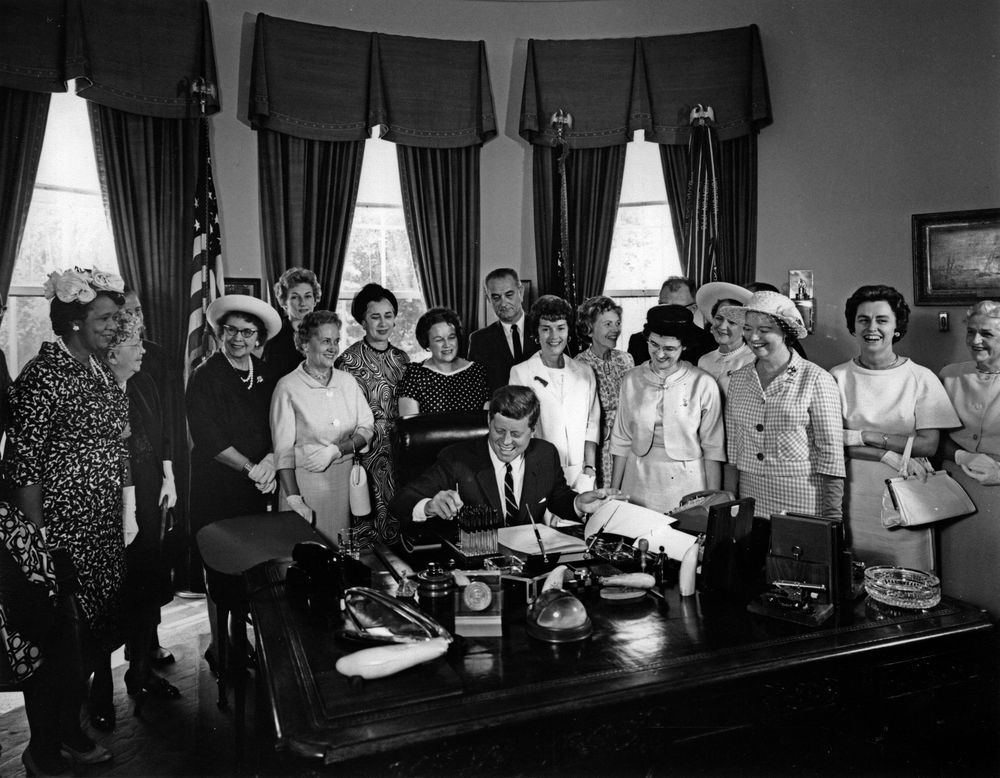
Key concerns and characteristics
The movement addressed a range of interlocking issues that activists framed as both public and private problems. Central topics included:
- Reproductive rights: advocacy for access to contraception, reliable information and legal protections for abortion (abortion), and broader family-planning services.
- Sexuality and education: campaigns for comprehensive sex education, sexual autonomy, and workplace policies related to pregnancy and caregiving.
- Violence against women: efforts to recognize and respond to domestic abuse (domestic violence), sexual assault (rape), and the creation of safe houses and support services.
- Family law and divorce: pushes to reform inequitable divorce laws, custody arrangements and economic protections for separated women.
Origins, influences and catalysts
The second wave drew on intellectual, literary and personal sources. A pivotal catalyst in the United States was the publication of Betty Friedan's work; activists often cite Betty Friedan and her book The Feminine Mystique as sparking public conversation about the limits of postwar domestic ideals. Earlier existential and feminist theory also provided a foundation: many activists referenced the ideas of Simone de Beauvoir and her study The Second Sex as formative in thinking about gender as a social construct rather than a purely biological fate.
Methods, organizations and public actions
Second-wave activists used a mix of grassroots and institutional tactics. Small consciousness-raising groups helped women name shared experiences and link private troubles to public structures. Street demonstrations, sit-ins, legal challenges, lobbying for legislative change, and the formation of advocacy groups—both national and local—were all central to the movement. These strategies brought attention to everyday inequalities and placed them on legislative and media agendas.
Achievements, disputes and legacy
The movement contributed to important legal and cultural changes: expanded employment and educational opportunities, greater public awareness of gender-based violence, and advances in reproductive choice and family law. Its internal diversity also produced contentious debates. By the late 1970s and 1980s activists disagreed sharply over pornography, sexual expression and methods of advocacy; these conflicts, sometimes called the "feminist sex wars," highlighted differences in priorities and tactics (pornography debates). Critics of the early second wave argued that it often reflected the concerns of middle-class, white women and insufficiently addressed race, class and global perspectives—criticisms that helped shape later feminist currents.
Continuing significance
Although scholars mark the transition to later feminist waves in the 1990s, many campaigns, organizations and ideas that grew out of second-wave activism remain influential. Conversations about reproductive rights, workplace equality, gendered violence and the boundary between private life and public policy continue to reference the debates and legal frameworks that second-wave feminism helped create. For further reading and primary sources, consult historical collections, contemporary analyses and archives that document both the achievements and the disputes of this formative era.
Further context on early US activity · period and chronology · first-wave contrasts · educational reforms · reproductive rights · domestic violence initiatives · sexual assault policy · divorce law changes · Betty Friedan · The Feminine Mystique · Simone de Beauvoir · The Second Sex · feminist sex wars and debates
Related articles
Author
AlegsaOnline.com Second-wave feminism Leandro Alegsa
URL: https://en.alegsaonline.com/art/88450