
Betty Friedan: author, activist, and leader of second‑wave feminism
Betty Friedan (1921–2006) was an American writer and activist. Her 1963 book The Feminine Mystique galvanized second‑wave feminism and she helped found the National Organization for Women.
Overview
Betty Friedan was an American writer, social critic and feminist leader whose work in the mid‑20th century helped shape the modern women's movement. Best known for her 1963 book The Feminine Mystique, Friedan challenged prevailing assumptions about women's roles in family life and the workforce and argued that many women felt an unspoken dissatisfaction with a life confined to home and motherhood.
Image gallery
5 Images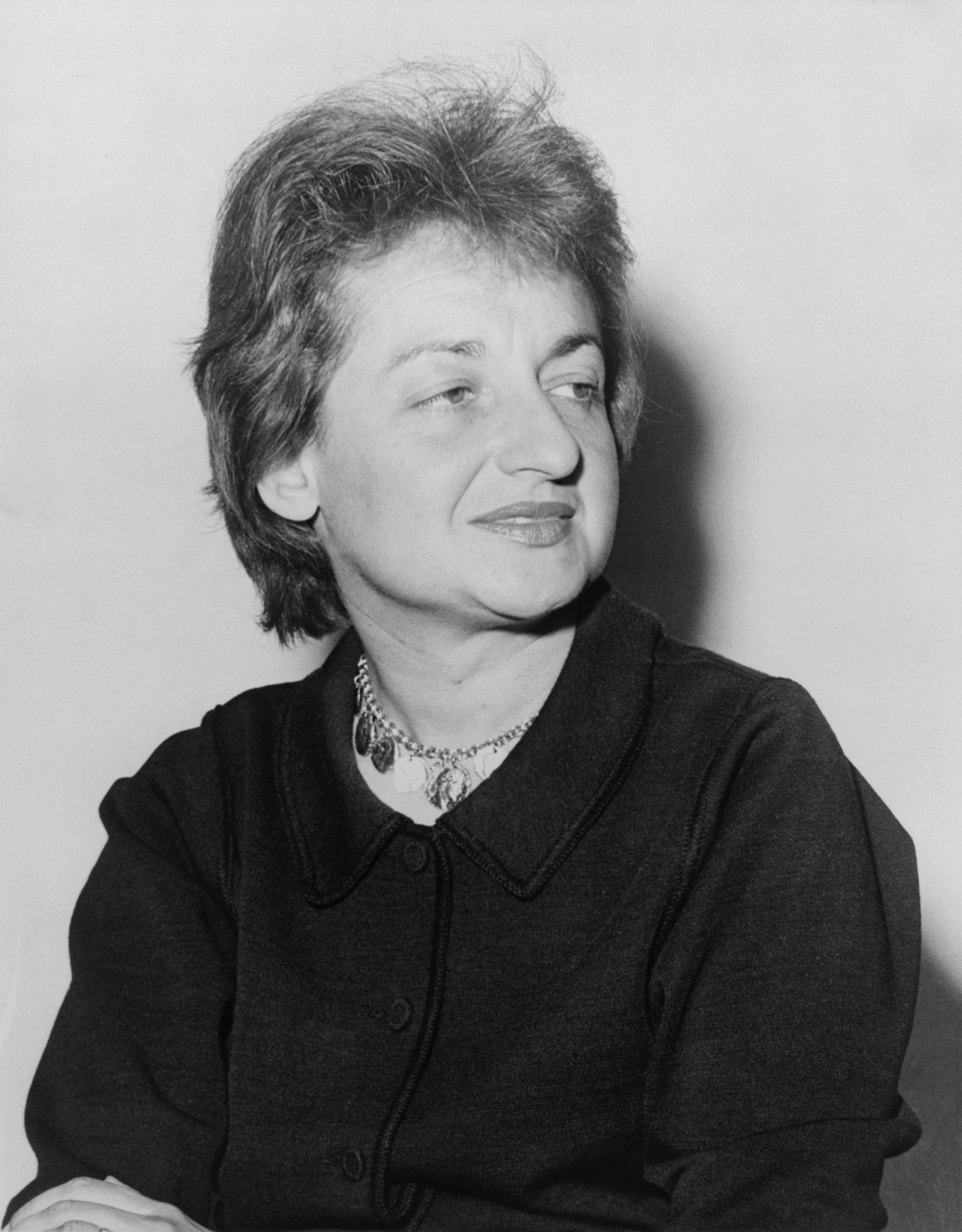


Core ideas and Characteristics
Friedan identified what she called "the problem that has no name," a widespread, persistent sense of unfulfillment experienced by suburban housewives who were often assumed to be content. Her analysis combined cultural critique, sociological observation and interviews with women to contend that social expectations, education, and limited economic opportunities restricted women's choices. She favored reforms that expanded access to employment, education and legal protections and she was outspoken about the need for systemic change rather than simply individual adjustment.
Activism and institutions
Beyond writing, Friedan helped turn analysis into organization. She was a founding figure behind the National Organization for Women, serving in its leadership and promoting the group’s goals of legal equality, expanded employment opportunities and an end to institutional discrimination. The organization she helped create became a central vehicle for lobbying, litigation and public campaigns aimed at reshaping American law and workplace practice. For context on Friedan as a public figure and commentator, see contemporary interviews such as the one she gave to Life magazine in 1963, where she combined sharp critique with memorable turns of phrase, including a famous quip about household appliances.
Major works and later thought
Friedan’s major publications trace the arc of her thinking. The Feminine Mystique brought attention to the limits placed on women in affluent postwar societies. Later books examined how the movement should evolve after initial victories. In works like The Second Stage, she argued that the feminist movement needed to address relationships, men’s roles and the institutional structures of family and work to build on early achievements. She also wrote about aging, social policy and the intersections of personal and political life.
Legacy and controversies
Friedan’s influence is widely acknowledged: her writing helped catalyze what historians call the second wave of feminism, prompting debates about education, employment, reproductive rights and household labor. At the same time, some critics have observed that her initial focus centered largely on the experiences of middle‑class white women and that later feminists broadened the movement to address race, class and sexual orientation. Debates about strategy and priorities within feminism were part of the movement she helped institutionalize.
Selected facts and further reading
- She was active as a journalist and public intellectual for decades and used both books and organizational work to influence policy and public opinion.
- Friedan helped found the National Organization for Women; the group remains a prominent advocacy organization in the United States. NOW
- Her public remarks and interviews are often cited in histories of American feminism; several contemporary pieces and archival interviews provide additional context. Life magazine interview and other sources document her public remarks and style of engagement.
For a concise introduction to Friedan’s arguments and their reception, readers can consult collections of her essays and later reflections on the movement’s direction. Notable quotations and summaries of her major works are available in many modern surveys of 20th‑century social movements and gender studies.
Related articles
Author
AlegsaOnline.com Betty Friedan: author, activist, and leader of second‑wave feminism Leandro Alegsa
URL: https://en.alegsaonline.com/art/11069
Sources
- zcommunications.org : "Betty Friedan by Truthout.org"
- greatwomen.org : "National Women's Hall of Fame - Women of the Hall"
- nytimes.com : "Betty Friedan, Who Ignited Cause in 'Feminine Mystique,' Dies at 85 - New York Times"
- biography.com : "Betty Friedan"