
The Firebird (ballet) — Stravinsky and Fokine's 1910 work
An encyclopedic overview of The Firebird: its creation by Michel Fokine and Igor Stravinsky, premiere by the Ballets Russes, musical features, narrative sources, and lasting influence.
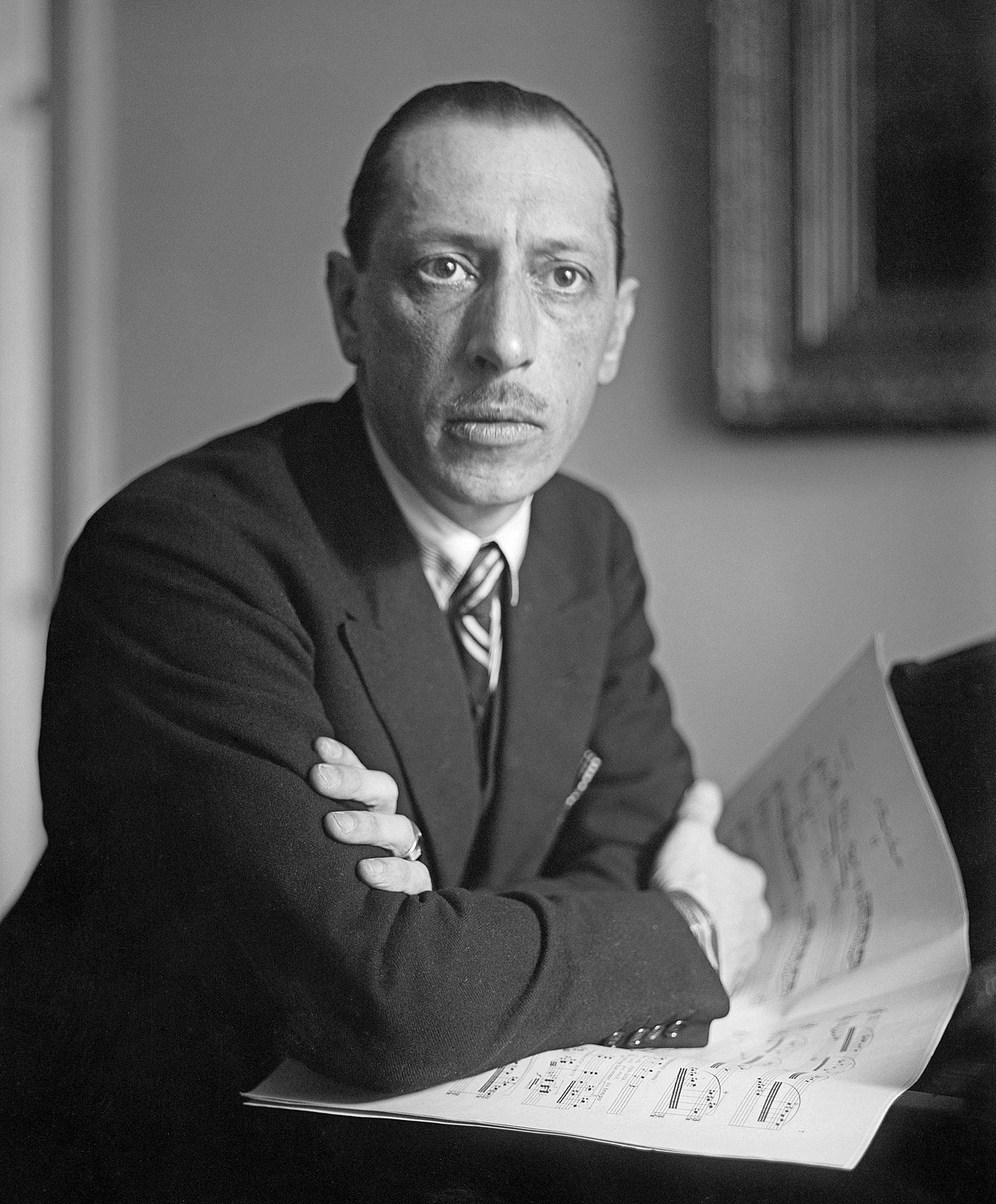
The Firebird is a landmark ballet conceived for Sergei Diaghilev's company and first staged in 1910. The scenario and original movement vocabulary are credited to Michel Fokine, who prepared both the libretto and the choreography. The score was written by Igor Stravinsky, marking his first major ballet commission and an early breakthrough in his career. The work is commonly known by its French title L'Oiseau de Feu.
Image gallery
9 Images




Sources and story
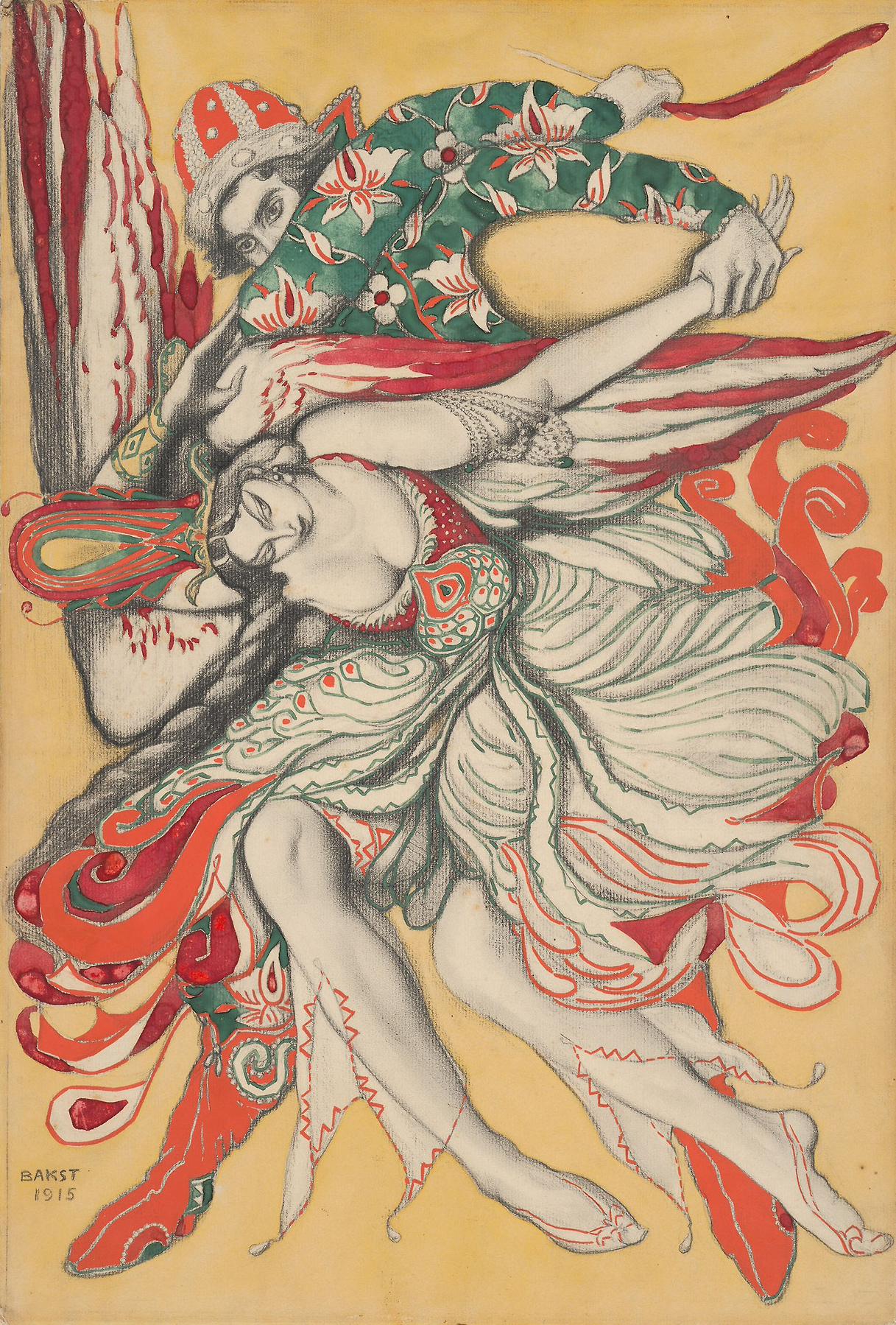
The narrative draws on motifs from Russian folklore and a traditional fairy tale about a magical glowing bird whose capture and release shape the fate of a prince and an enchanted realm. Typical stagings present a young prince, the mystical Firebird, a band of entranced princesses, and an antagonist—often called Kastchei—whose power is broken by the bird and the hero.
Music and orchestration
Stravinsky's score is notable for vivid orchestral color, inventive rhythmic patterns, and striking contrasts between luminous, lyrical passages and turbulent dances. He later arranged orchestral suites from the full ballet to make the music more widely performable; those concert versions helped secure the piece's popularity. Prominent musical episodes commonly cited include the Firebird's theme, the Round of the Princesses, and the Infernal Dance of Kastchei.
Original production and premiere
The premiere was given by the Ballets Russes in Paris at the Théâtre National de l'Opéra on 25 June 1910. Diaghilev proposed leading dancers for the title role; Anna Pavlova was approached but declined, reportedly finding the music difficult to grasp. The role of the Firebird was created by Tamara Karsavina, whose performance contributed to the ballet's immediate theatrical success.
Legacy and performance history
The Firebird has enjoyed frequent revivals and variable reinterpretations across the twentieth and twenty-first centuries. Major companies have re-staged the work with new choreography, design, and sometimes altered narrative emphasis; these revivals reflect both the ballet's adaptability and the enduring appeal of Stravinsky's music. The work is widely performed in concert halls as suites and remains a standard title in ballet repertory worldwide.
- Key collaborators: Michel Fokine (libretto and choreography), Igor Stravinsky (composer), Diaghilev's Ballets Russes (producer).
- Artistic importance: early Stravinsky success; fusion of Russian folk elements with modern orchestral technique.
- Common performance forms: full ballet, abridged staged versions, and orchestral suites for concert performance.
Questions and answers
Q: Who composed the libretto and choreography for the ballet The Firebird?
A: Michel Fokine composed the libretto and choreography for the ballet The Firebird.
Q: What is the story of The Firebird based on?
A: The story of The Firebird is based on a Russian fairy tale.
Q: Who composed the music for The Firebird?
A: Igor Stravinsky composed the music for The Firebird.
Q: Was The Firebird Stravinsky's first ballet score?
A: Yes, The Firebird was Stravinsky's first ballet score.
Q: When and where was the first performance of The Firebird?
A: The first performance of The Firebird was on 25 June 1910 at the Théâtre National de l'Opéra in Paris.
Q: Who was originally asked to create the role of the Firebird?
A: Anna Pavlova was originally asked to create the role of the Firebird.
Q: Did Anna Pavlova accept the role of the Firebird?
A: No, Anna Pavlova declined the role of the Firebird because she thought Stravinsky's music was incomprehensible. The role went to Tamara Karsavina instead.
Related articles
Author
AlegsaOnline.com The Firebird (ballet) — Stravinsky and Fokine's 1910 work Leandro Alegsa
URL: https://en.alegsaonline.com/art/97982