
Beach erosion: causes, coastal landforms and management
Beach erosion is the removal or loss of sand and shoreline by waves, currents, tides, storms, sea-level change and human activity; it shapes coasts and requires diverse management responses.
Beach erosion is the process by which shorelines lose sand, sediment or rock as material is transported away from the coast. It is driven primarily by water movement and related forces: waves, tidal currents and nearshore circulation redistribute sediment, while intense weather events and longer-term sea-level changes increase the frequency and extent of loss. Human actions — such as coastal construction, removal of sediment sources, or alteration of natural drainage — can accelerate erosion or change its pattern.
Image gallery
10 Images


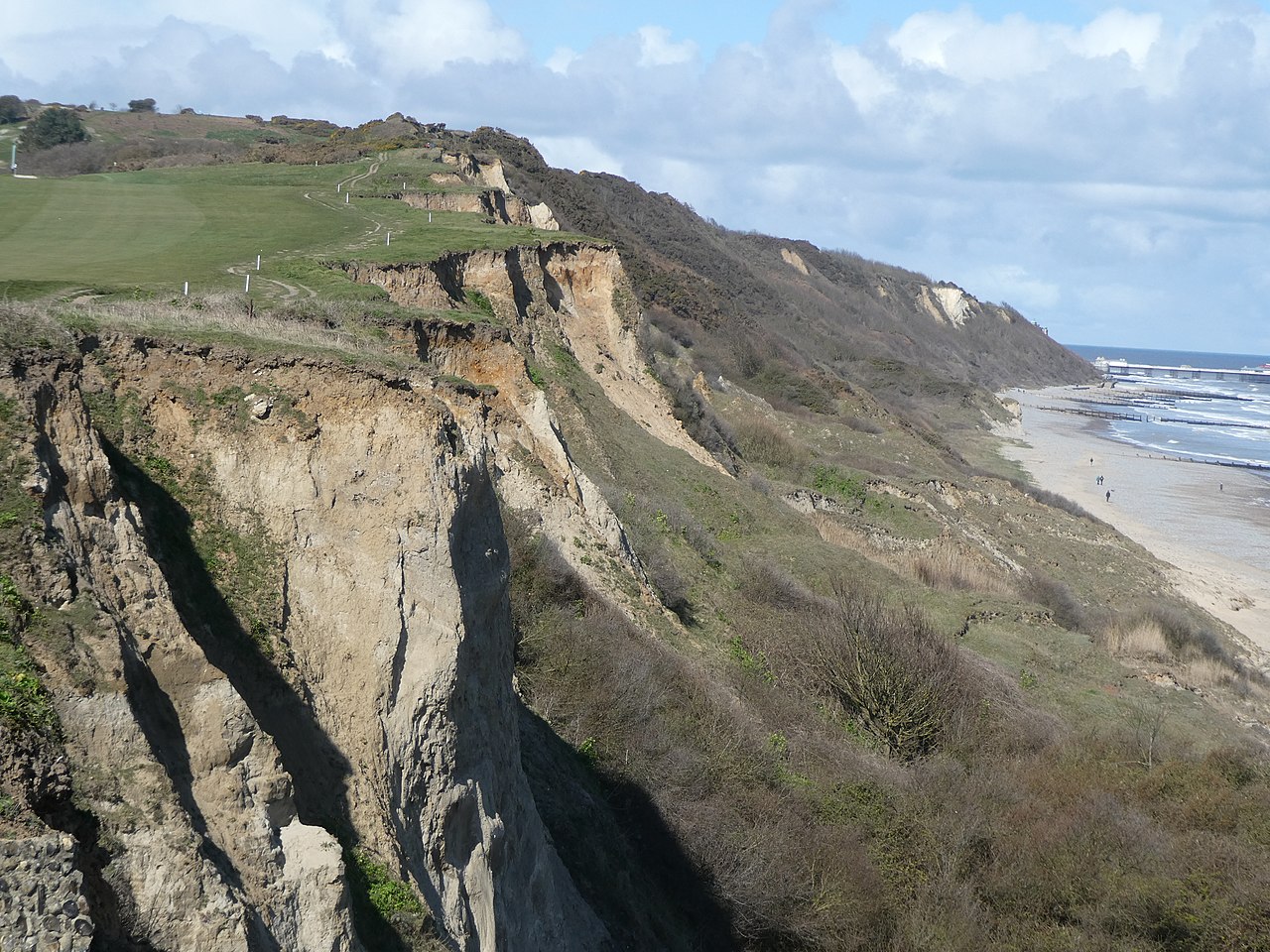
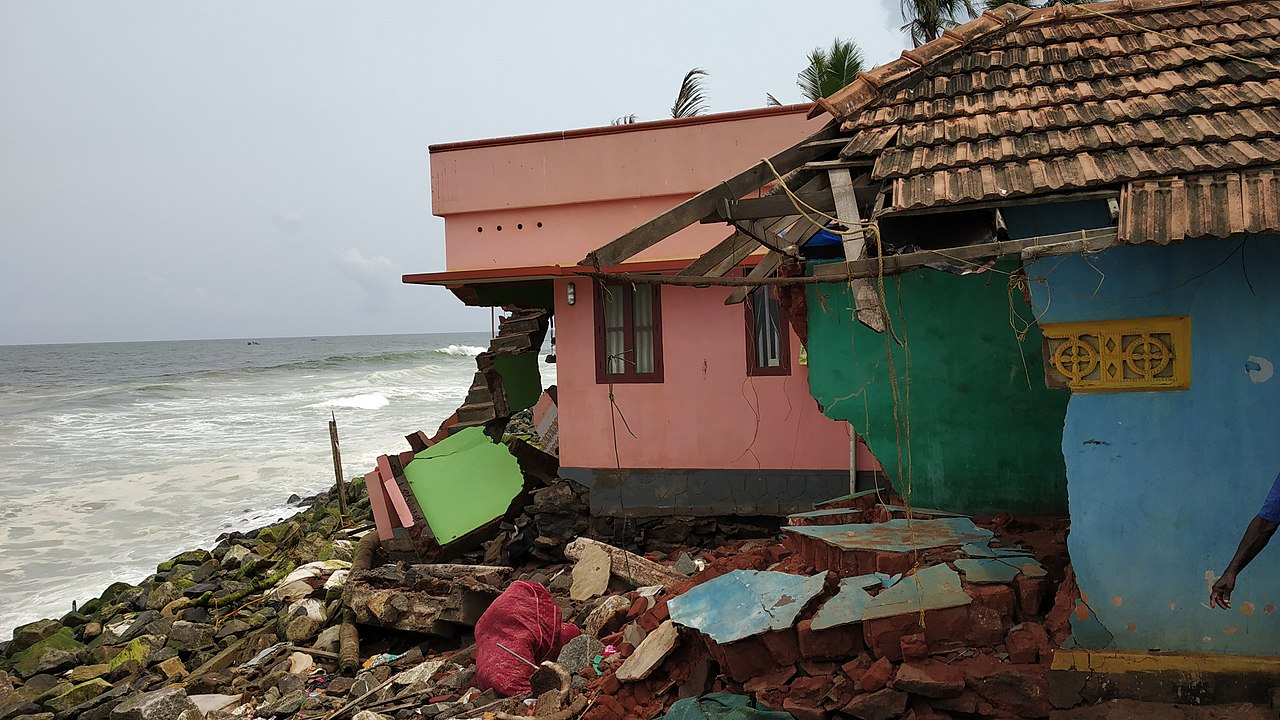

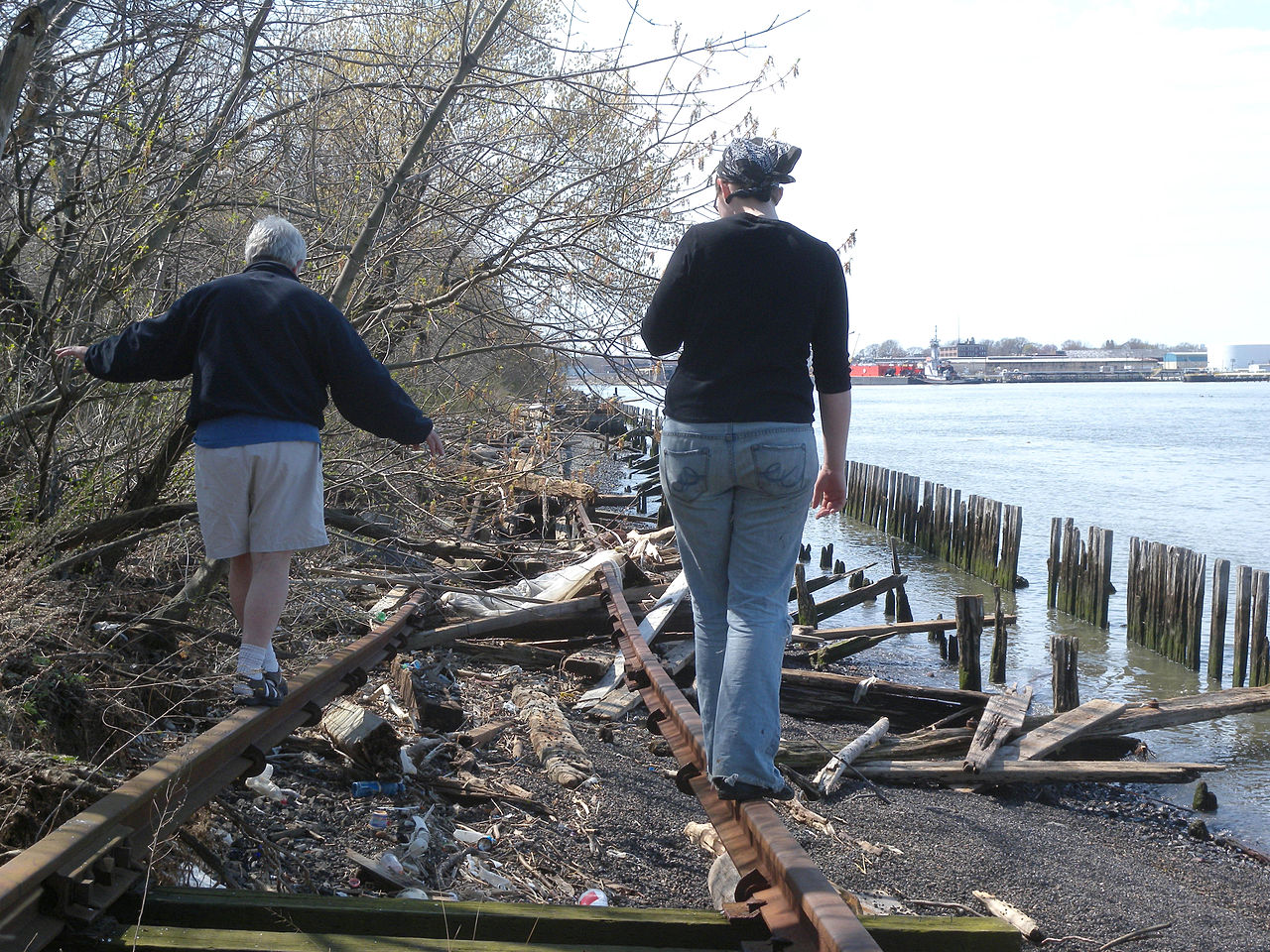


Causes and physical mechanisms
Several interacting processes remove material from beaches and dunes. Wind and waves lift and carry sand offshore or alongshore; storm surges and high tides penetrate farther inland; and river or urban drainage patterns can reduce the supply of new sediment. Vegetated features such as dunes normally trap sand and buffer the land, but once destabilized they become vulnerable. The same shoreline can experience both slow, persistent retreat and episodic, dramatic loss during storms.
On rocky coasts the effects of erosion are often most visible as sculpted cliffs and coastal stacks formed where harder rock resists wear while softer layers erode more quickly. Over time, caves, arches and isolated pillars may appear where differential erosion isolates portions of the rock.
Impacts and significance
Coastal erosion affects property, infrastructure, and ecosystems. Loss of beaches reduces space for recreation and habitat for shorebirds and dune plants; retreating cliffs can endanger buildings and roads. Economically important ports and tourism destinations may see substantial costs from repeated damage, while natural habitats such as wetlands and estuaries can change as sediment regimes shift.
Management and responses
Responses to beach erosion range from engineering to managed retreat. Hard solutions include seawalls, groynes and breakwaters that block or redirect wave energy, but these can have downstream impacts by interrupting natural sediment transport. Soft techniques—beach nourishment, dune restoration and planting—aim to restore natural buffers. Increasingly, planners consider adaptive approaches like setting back development or allowing some areas to erode in order to reduce long-term risk and preserve coastal processes.
- Key concepts: sediment balance, longshore drift, storm erosion.
- Typical landforms: beaches, dunes, cliffs, arches, stacks.
- Common responses: nourishment, structural defenses, managed retreat.
Understanding beach erosion requires integrating coastal geology, oceanography and human land use. Monitoring and modelling help predict where erosion will accelerate, guiding decisions about protection, restoration, or relocation. For further technical or local information consult coastal management resources and monitoring programs that address both natural variability and human influences.
More on beaches • Dune ecology • Wave processes • Tidal current dynamics • Drainage and sediment supply
Related articles
Author
AlegsaOnline.com Beach erosion: causes, coastal landforms and management Leandro Alegsa
URL: https://en.alegsaonline.com/art/9783