
Teton Mountains (Teton Range)
A compact overview of the Teton Mountains: location, main peaks, geology, human use, ecology, and notable features near Grand Teton and Yellowstone national parks.
Overview
The Teton Mountains, commonly called the Teton Range, form a dramatic north–south chain along the border of western Wyoming and eastern Idaho. The highest portion of the range lies within Grand Teton National Park, and the mountains sit immediately south of Yellowstone National Park. Their steep, rugged profiles rise directly above the low-lying valley known as Jackson Hole, creating some of the most recognizable alpine scenery in the Rocky Mountains.
Image gallery
4 Images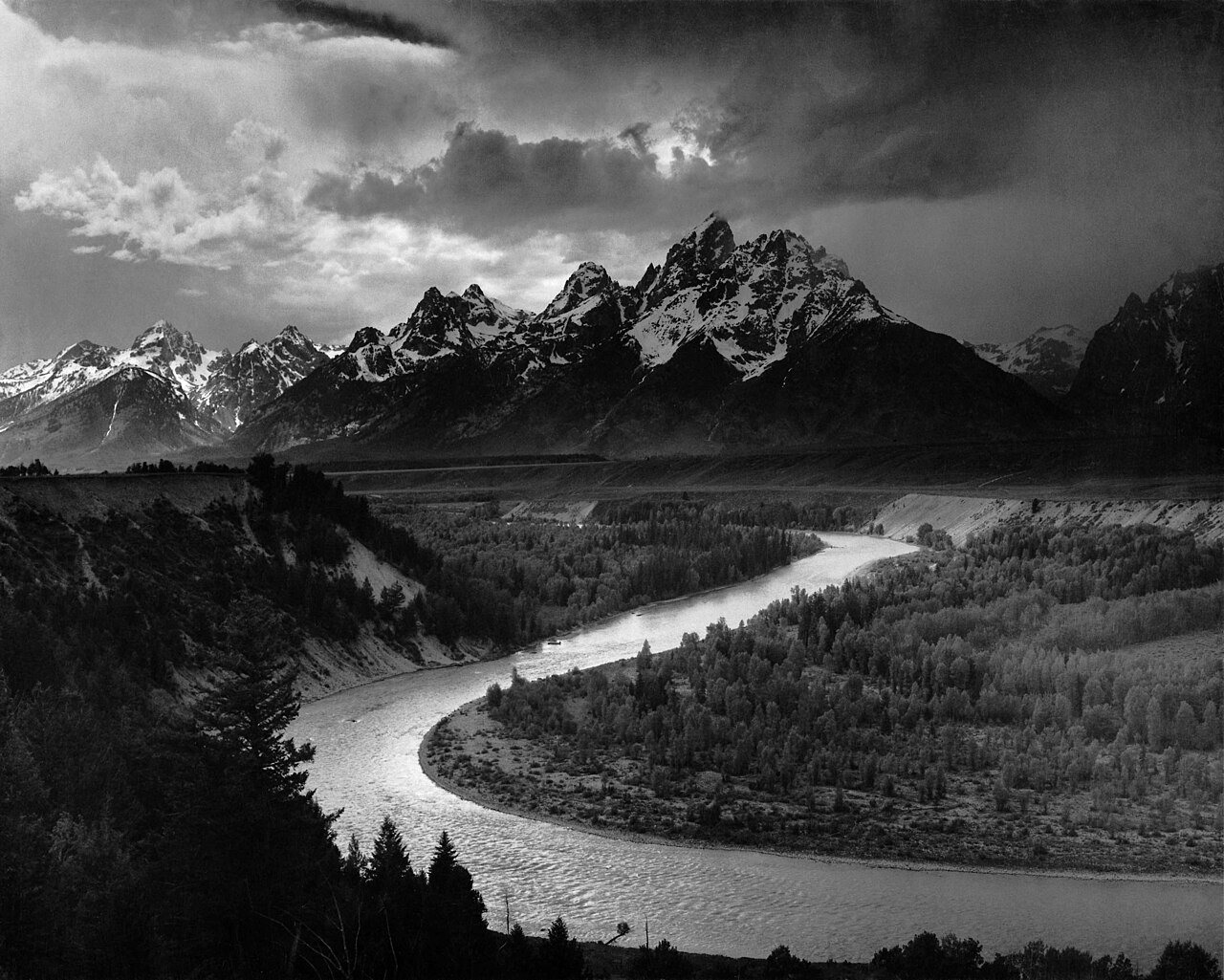


Major peaks
The range includes many sharp summits and ridges. The tallest and best known is Grand Teton, which dominates the skyline and is a focus for climbers and photographers. Other well-known summits include Mount Moran, Middle and South Teton, and Teewinot Peak.
- Grand Teton – the highest peak in the core range and a classic alpine objective.
- Mount Moran – notable for its north face and prominent position near Jackson Lake.
- Middle and South Teton – series of jagged summits popular with mountaineers.
Geology and landscape
The Tetons are a fault-block mountain range formed when movement on the Teton Fault uplifted blocks of crust while the adjacent valley subsided. Subsequent glaciation carved cirques, sharp ridges and U-shaped valleys, giving the range its rugged, knife-edged appearance. The abrupt rise from Jackson Hole emphasizes the range's dramatic vertical relief.
Human history and recreation
Indigenous peoples used the region for seasonal hunting long before European exploration. In the late 19th and early 20th centuries the area became a center for mountaineering, ranching and later conservation. Today the Tetons attract visitors for climbing, hiking, backcountry skiing, and scenic drives; Grand Teton National Park and nearby towns provide trailheads, visitor services and interpretive programs.
Ecology and significance
The range supports montane and alpine ecosystems with forests, meadows and high-elevation tundra. Wildlife such as elk, moose, black and grizzly bears, wolves and a variety of birds use the range and valley habitats. The Tetons are celebrated for their scenic, ecological and recreational importance and form a core component of the Greater Yellowstone ecosystem.
Notable facts
Noted for steep eastern faces and relatively short horizontal distance from valley floor to summits, the Tetons differ from older, more eroded ranges. Their proximity to protected areas makes them a well-studied and much-photographed example of fault-block and glacial mountain landscapes.
Related articles
Author
AlegsaOnline.com Teton Mountains (Teton Range) Leandro Alegsa
URL: https://en.alegsaonline.com/art/97236