
Thanjavur district, Tamil Nadu
Thanjavur district in Tamil Nadu, India — the historic Chola heartland and major rice-producing delta; noted for Brihadeeswarar Temple, Thanjavur painting, bronze art, music and fertile Cauvery plains.
Overview
Thanjavur district, historically anglicized as Tanjore, lies in the fertile Cauvery (Kaveri) delta of Tamil Nadu in southern India. Long celebrated for intensive wetland agriculture, the district has played a central role in the region's history as the political and cultural heartland of the medieval Chola dynasty. The city of Thanjavur serves as the administrative headquarters and an important centre for higher education, heritage tourism and traditional arts.
Image gallery
7 Images


Geography and administration
The district occupies broad alluvial plains nourished by the Kaveri and its distributaries. An extensive system of irrigation channels, anastomosing rivers and tanks supports multiple cropping seasons, making the area one of the most productive agricultural zones in the state. Settlement patterns include a mix of small towns and agrarian villages; the district administration is responsible for managing irrigation, rural development and civic services.
History and cultural significance
Thanjavur rose to prominence as the capital of the medieval Chola empire, which left a rich legacy of monumental temple architecture, stone sculpture and urban planning. Later periods — including rule by local Nayak chiefs, a Maratha dynasty and British colonial administration — added architectural and artistic layers. The district preserves an active living tradition of classical music, temple ritual and performing arts that continues to shape regional identity.
Economy and agriculture
Agriculture dominates the district economy. The combination of fertile delta soils and managed irrigation favors paddy cultivation, leading to nicknames such as the "Granary of South India" and the "Rice bowl of Tamil Nadu." Farmers grow rice as the principal crop and also cultivate pulses, sugarcane, oilseeds and horticultural produce. Allied activities include rice milling, agro-processing and local markets that sustain rural livelihoods.
Arts, landmarks and tourism
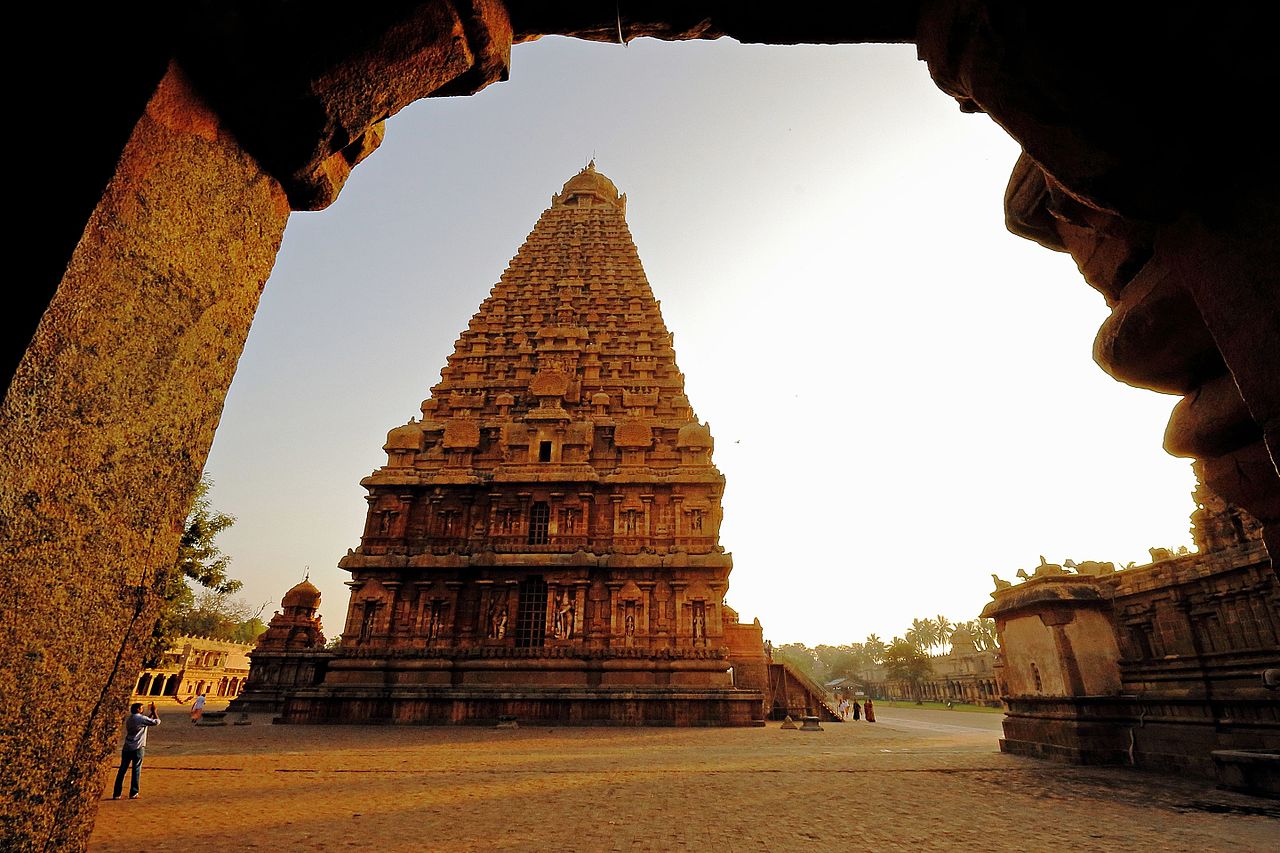
Thanjavur is internationally known for the Brihadeeswarar Temple, a towering Chola monument that is part of the UNESCO World Heritage group "Great Living Chola Temples." The district is also associated with the distinctive Thanjavur painting style, traditional bronze casting, and a long history of Carnatic music and classical dance. Important cultural institutions include historic palaces, museums and the Saraswathi Mahal Library, which preserves old manuscripts and rare books.
Contemporary issues and conservation
Today Thanjavur balances agricultural productivity with challenges such as water management, salinity in coastal parts of the delta, seasonal floods and the effects of urban expansion. Heritage conservation, sustainable irrigation practices and diversification of rural economies are ongoing priorities for planners, local communities and cultural custodians. Tourism and traditional crafts continue to provide opportunities for cultural preservation and economic development.
Community and festivals
Local life in Thanjavur is marked by seasonal festivals, temple chariot processions and agricultural celebrations such as the harvest festival Pongal. These events reinforce social bonds, maintain ritual knowledge and attract visitors who come to experience the district's living cultural heritage.
Related articles
Author
AlegsaOnline.com Thanjavur district, Tamil Nadu Leandro Alegsa
URL: https://en.alegsaonline.com/art/97401