
Yellowstone National Park: overview, geology, wildlife, and history
Yellowstone National Park, created in 1872, is the world's first national park. Known for extensive geothermal features, large mammals, and the Greater Yellowstone Ecosystem, it remains a model of conservation.
Overview
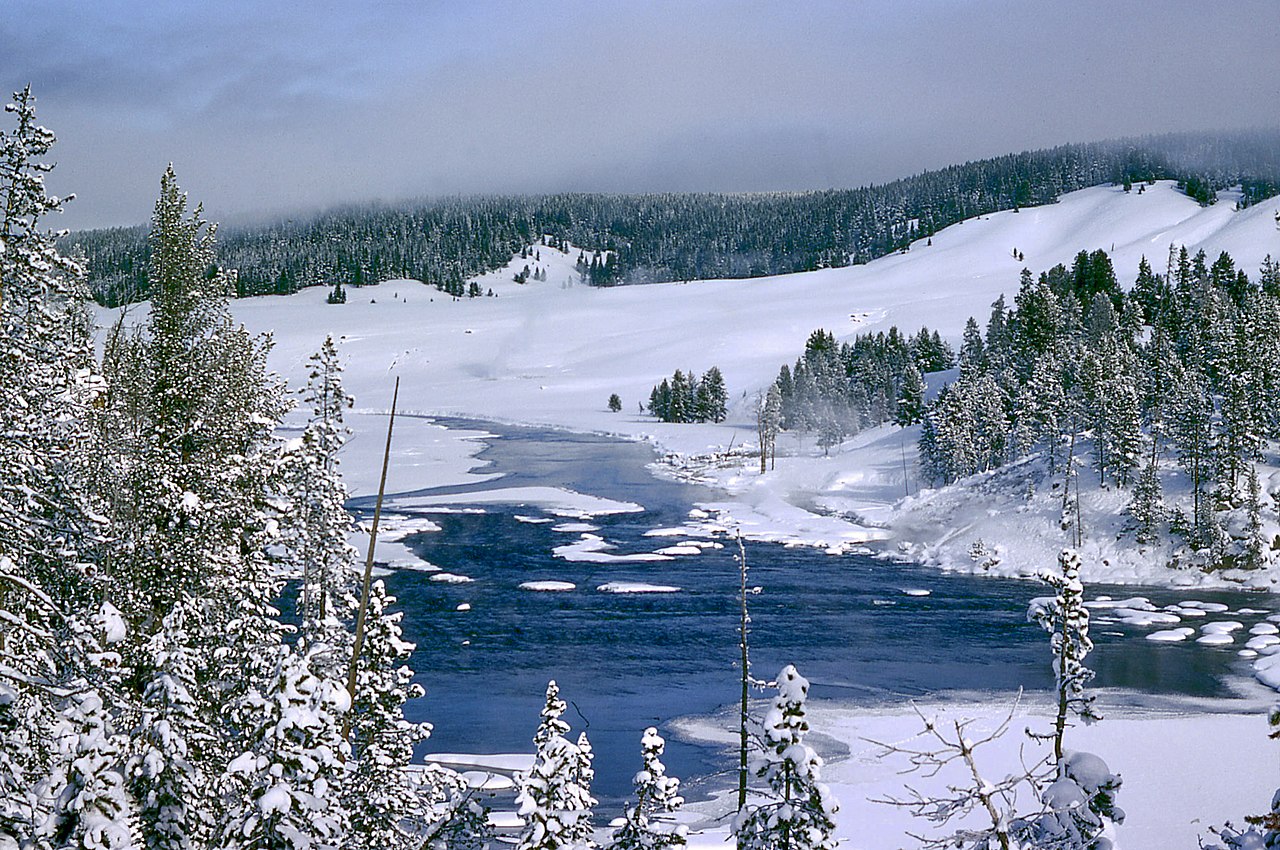
Yellowstone National Park was established by the U.S. Congress and signed into law in 1872 to protect a spectacular landscape of mountains, rivers and thermal features. Located primarily in the U.S. states of Wyoming, Montana and Idaho, the park takes its name from the Yellowstone River that drains much of the area. It was designated a UNESCO World Heritage site in 1978 in recognition of its global geological and ecological significance. For more background see the park's general information pages: park overview and national context: United States.
Image gallery
10 Images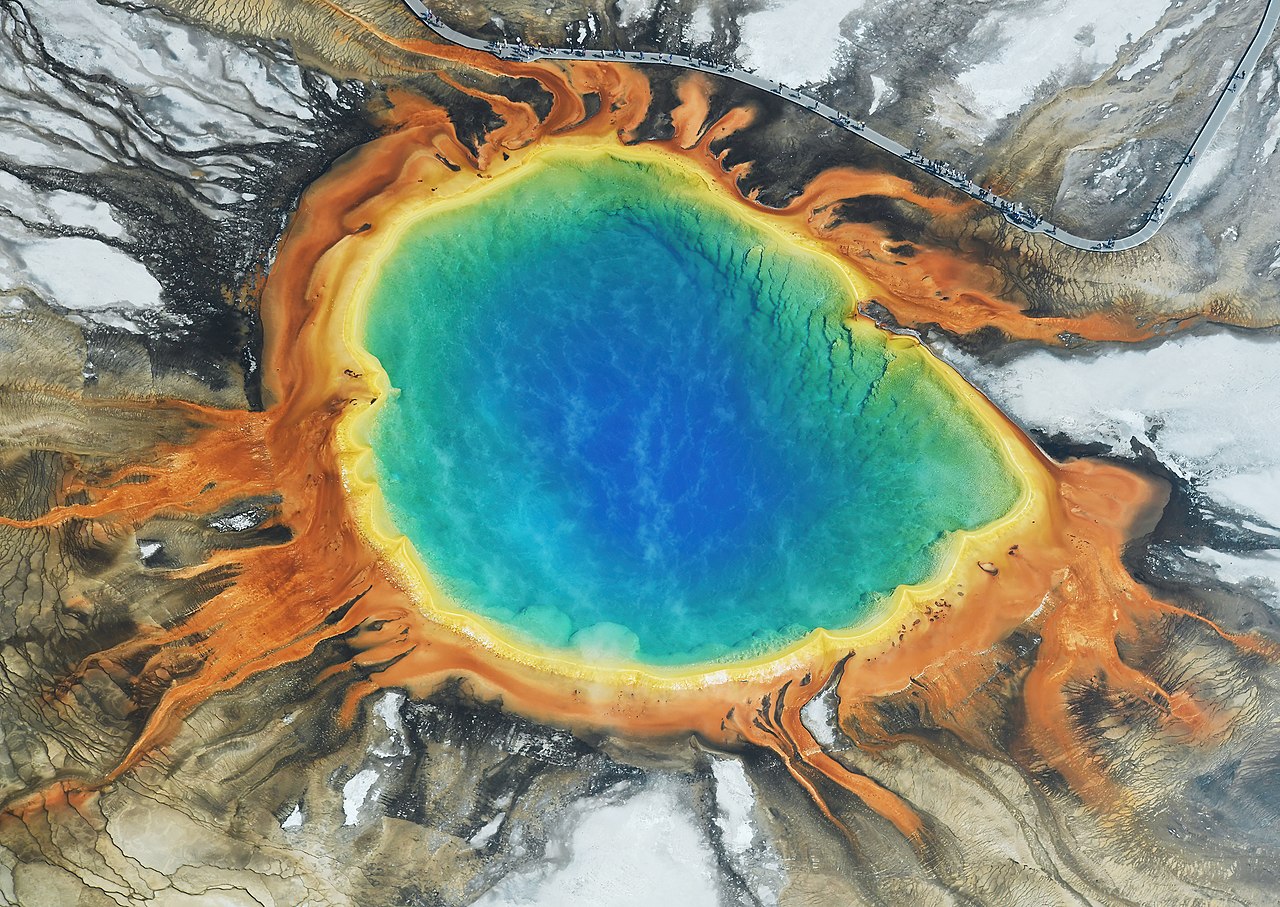





Geology and geothermal features
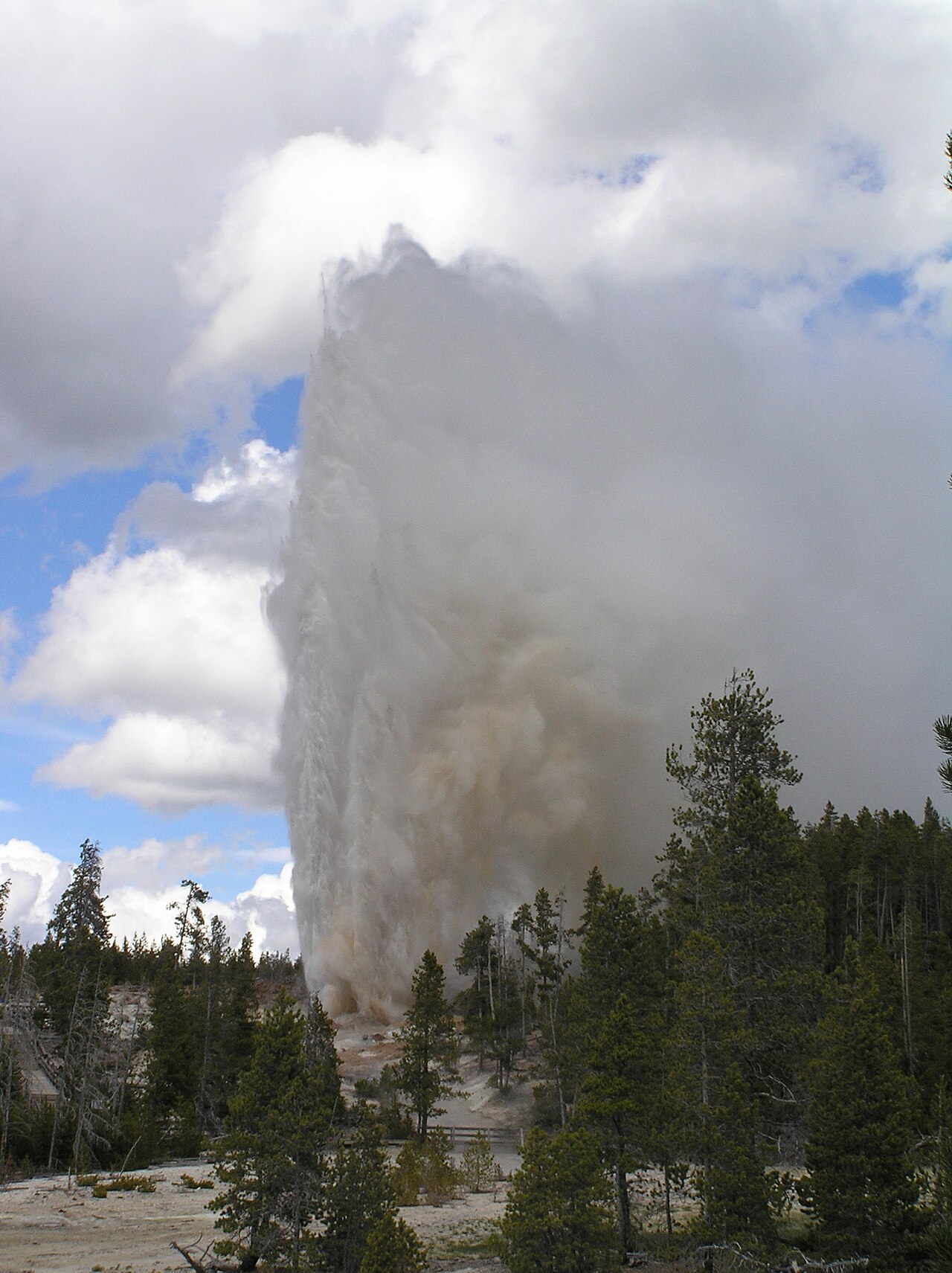
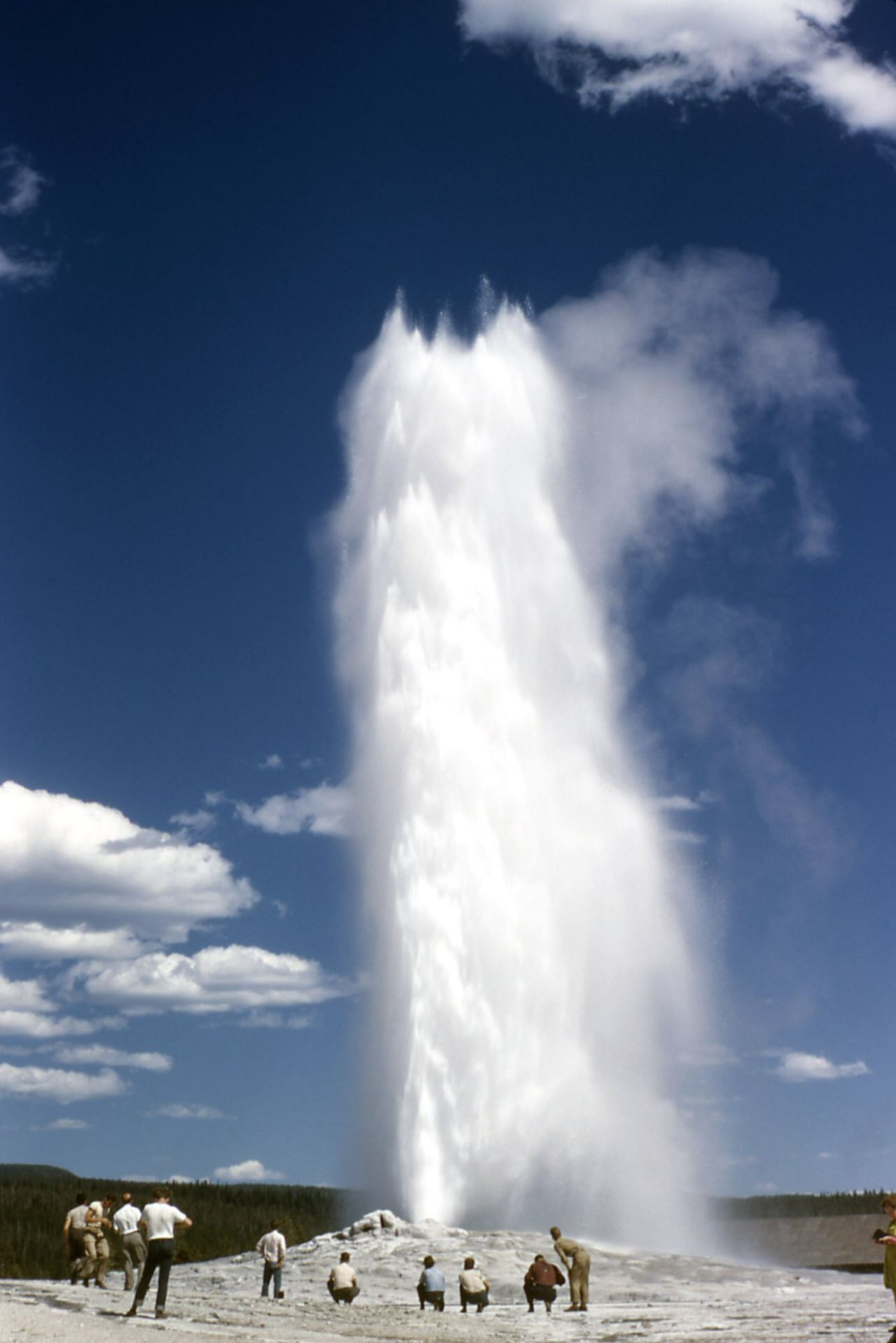
Yellowstone sits atop a large volcanic caldera created by repeated eruptions over millions of years. The heat below the surface fuels an extraordinary array of geothermal phenomena — geysers, hot springs, fumaroles and mud pots — that draw scientists and visitors alike. The park contains roughly half of the world’s geysers, including the famous Old Faithful. Many resources describe these features and ongoing research into their origins: geysers and hot springs.
History of protection and management
Yellowstone’s creation marked a major shift in how natural places were valued and protected. President Ulysses S. Grant signed the establishing act, and subsequent laws and management practices have evolved to balance preservation with public access. The early legislation and continuing conservation measures are discussed in historical summaries: founding law.
Wildlife and the Greater Yellowstone Ecosystem
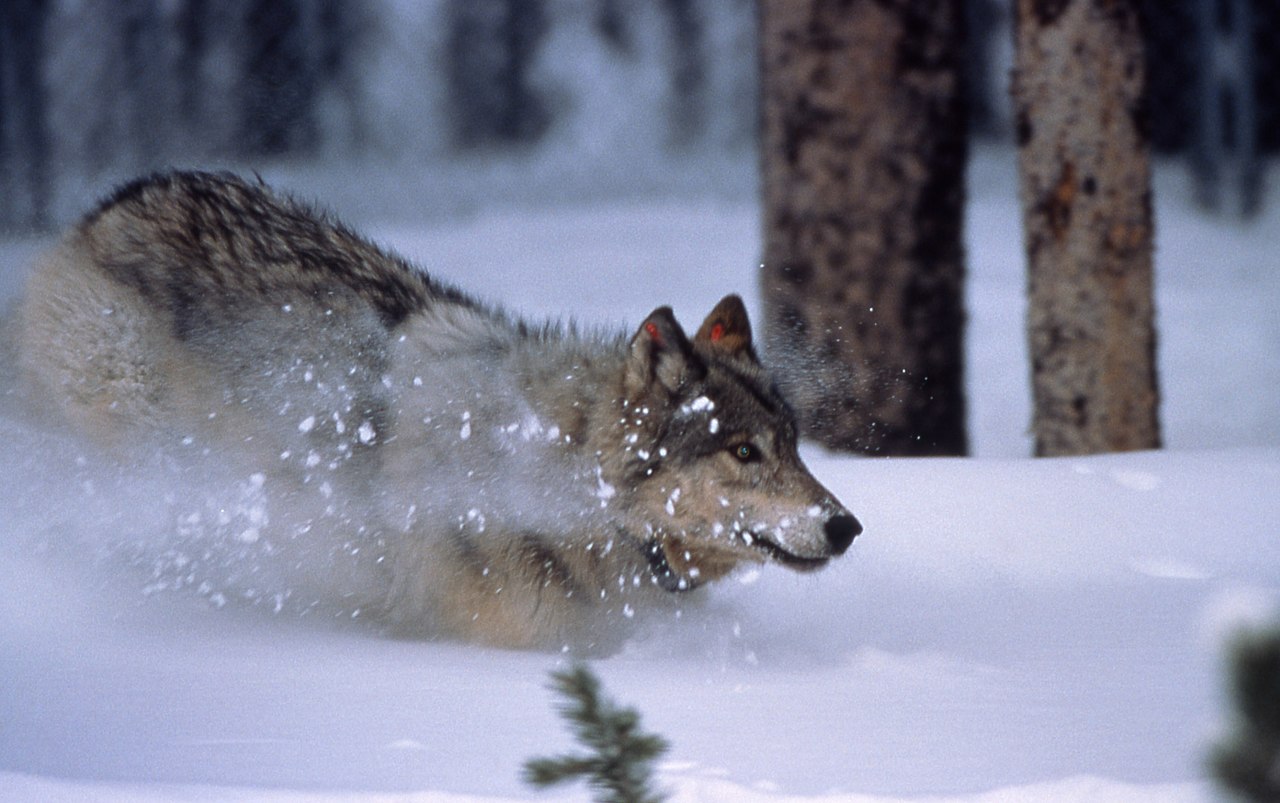
Beyond its geology, Yellowstone is famed for large mammals and diverse habitats. Grizzly bears, wolves, bison and elk are some of the most visible species. Management and recovery programs have focused on key species such as the reintroduced wolves and the park’s iconic bison. The park sits at the core of the Greater Yellowstone Ecosystem, widely regarded as one of the largest nearly intact temperate-zone ecosystems on Earth (intact ecosystem), containing extensive subalpine forests and other plant communities including the subalpine forest zone.
Visiting, uses and notable facts
Yellowstone receives millions of visitors annually who come to view geothermal features, wildlife and landscapes. Visitor infrastructure, education programs and seasonal access rules aim to reduce human-wildlife conflicts and protect fragile thermal areas. Practical guidance and official resources are available for planning visits: visitor information, safety briefings: travel context, and interpretive materials: historical resources.
Distinctive features and challenges
Key distinctions that set Yellowstone apart include:
- Its status as the world’s first national park and an early model for global conservation.
- A concentration of geothermal activity unmatched by most protected areas.
- Its role as the ecological core of a vast, connected landscape that supports large-ranging species.
Questions and answers
Q: What is Yellowstone National Park?
A: Yellowstone National Park is a national park in the United States and the world's first national park.
Q: When was Yellowstone National Park created, and who signed the law to create it?
A: Yellowstone National Park was created in 1872, and United States President Ulysses S. Grant signed the law to create it.
Q: What is the Yellowstone River, and why is it significant to the park?
A: The Yellowstone River is a river that flows through the park, and it is significant because the park is named after it.
Q: When was Yellowstone National Park designated as a UNESCO World Heritage Site?
A: Yellowstone National Park was designated as a UNESCO World Heritage Site in 1978.
Q: What is Yellowstone National Park famous for?
A: Yellowstone National Park is famous for its geysers and hot springs, as it contains about half the world's geysers, and the world's most famous geyser, the Old Faithful Geyser, is in the park.
Q: What kind of animals live in Yellowstone National Park?
A: Large animals such as grizzly bears, wolves, bison and elk live in Yellowstone National Park.
Q: Why do many tourists visit Yellowstone National Park?
A: Many tourists visit Yellowstone National Park each year to see the geysers and animals, as well as other natural features and attractions.
Related articles
Author
AlegsaOnline.com Yellowstone National Park: overview, geology, wildlife, and history Leandro Alegsa
URL: https://en.alegsaonline.com/art/109784
Sources
- protectedplanet.net : "Yellowstone in United States of America"
- nature.nps.gov : "Listing of acreage as of December 31, 2011"
- nature.nps.gov : "Five Year Annual Recreation Visits Report"
- whc.unesco.org : "Yellowstone National Park" · web.archive.org
- cr.nps.gov : "The Lewis and Clark Era (1805–1814)"
- memory.loc.gov : "Yellowstone, the First National Park" · web.archive.org
- unesco.org : "Yellowstone"
- biology.usgs.gov : "The Greater Yellowstone Ecosystem" · web.archive.org
- pubs.usgs.gov : "Tracking changes in Yellowstone's restless volcanic system"
- agiweb.org : "Truth, fiction and everything in between at Yellowstone"