
Bayonne Bridge
Steel through-arch bridge connecting Bayonne, New Jersey, and Staten Island, New York. Opened in 1931, designed by Othmar Ammann with Cass Gilbert; later modified to allow larger ships and add pedestrian access.
Overview
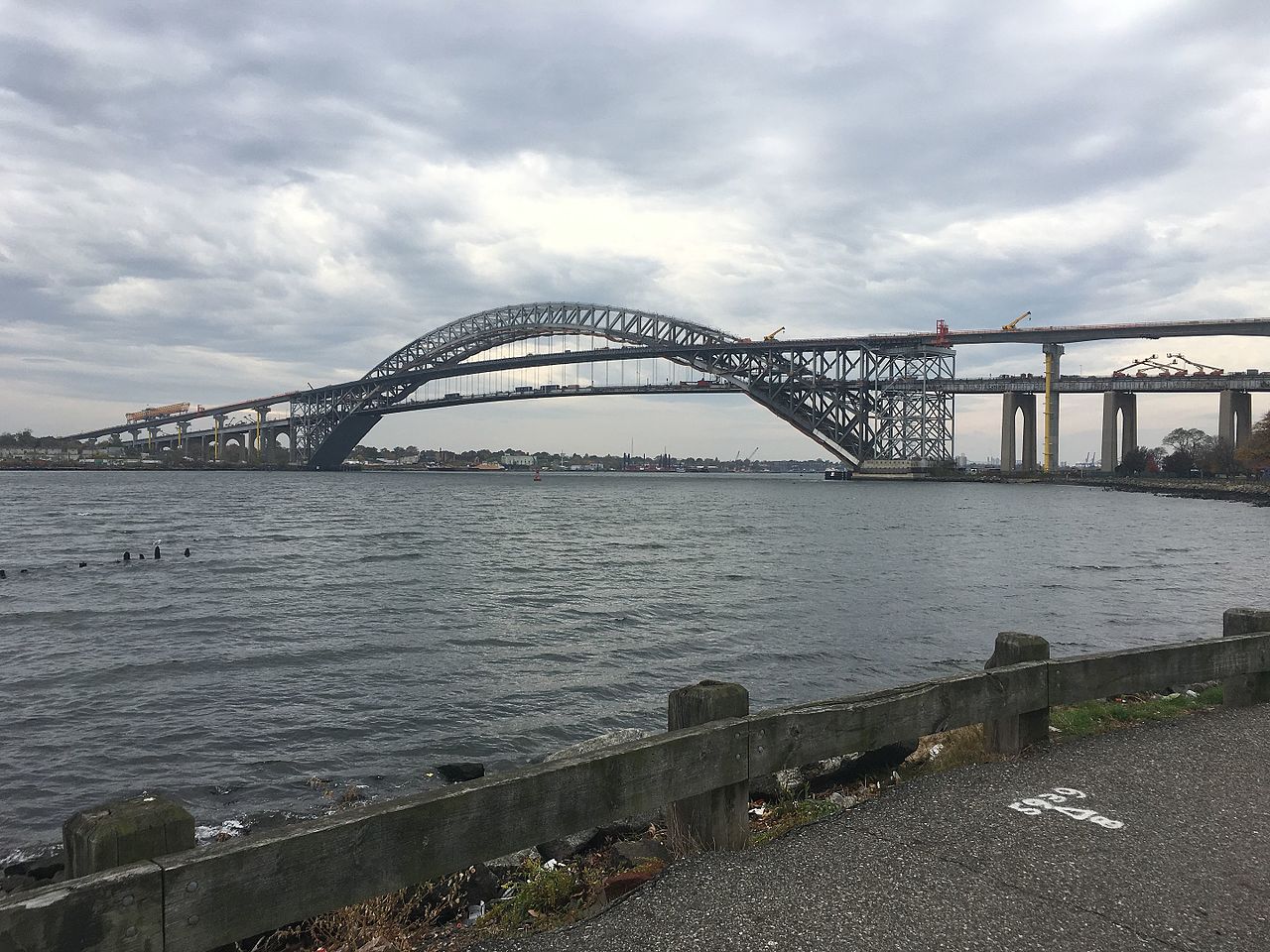
The Bayonne Bridge is a prominent steel arch bridge that spans the Kill Van Kull between Bayonne, New Jersey and Staten Island, New York. When it opened on November 15, 1931, it held the distinction of being the longest steel arch bridge in the world. Today it remains one of the longest, serving as an important road connection and a visible landmark on the New York–New Jersey waterfront.
Image gallery
10 Images




Design and construction
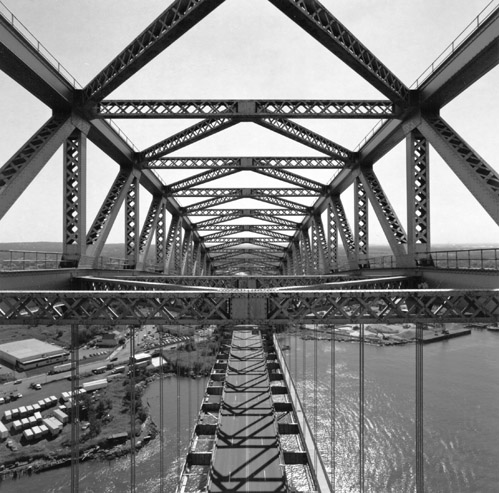
The bridge was engineered by Othmar Ammann, a leading bridge designer of the era, with architectural contributions from Cass Gilbert. Built by the Port Authority of New York and New Jersey, the structure was intended to carry vehicular traffic while providing a graceful arched profile across the strait. Its steel through-arch form combines strength and efficiency with an emphasis on visual proportion, reflecting both functional and civic design priorities of the early 20th century.
Modern alterations and maritime access
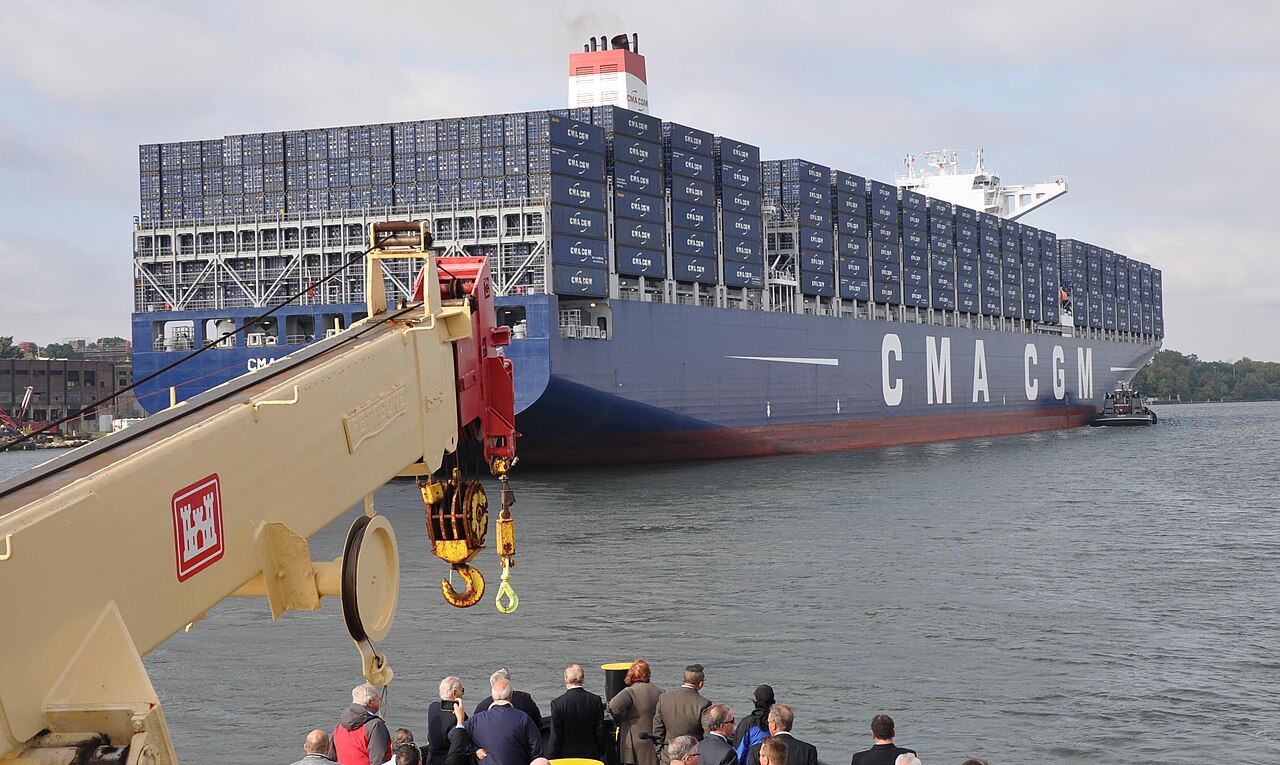
Decades after opening, the Port of New York and New Jersey undertook a major project to increase the vertical clearance of the roadway so larger container ships could reach the port terminals. This effort, prompted in part by ships built to the expanded dimensions of the Panama Canal, involved raising the bridge deck and altering traffic approaches. The modernization preserved the historical arch while adapting the crossing to contemporary maritime and transportation needs.
Function, connections, and local context
The Bayonne Bridge is one of three vehicular crossings linking Staten Island and New Jersey; its neighbors are the Goethals Bridge toward Elizabeth, New Jersey and the Outerbridge Crossing toward Perth Amboy, New Jersey. Together these routes are vital for commuter travel, freight movement to and from port facilities, and regional connectivity. In addition to vehicles, recent upgrades added a dedicated pedestrian and bicycle path, giving people a recreational and commuter link across the water.
Notable facts and legacy
- The Bayonne Bridge has been recognized for its engineering significance and remains an example of large-scale steel arch construction from the interwar period.
- Its 1931 opening marked a milestone in bridge engineering; later modifications demonstrate how historic infrastructure can be adapted to modern demands.
- As a visible feature on the harbor, the bridge figures in local transportation planning, maritime commerce, and community access between New Jersey and Staten Island.
The Bayonne Bridge illustrates how civil engineering, architectural design, and evolving economic needs intersect: a landmark of early 20th-century design that has been refurbished to continue serving one of the busiest port regions on the U.S. East Coast.
Related articles
Author
AlegsaOnline.com Bayonne Bridge Leandro Alegsa
URL: https://en.alegsaonline.com/art/9704
Sources
- nyc.gov : "New York City Bridge Traffic Volumes"
- panynj.gov : "Bayonne Bridge Navigational Clearance Program" · web.archive.org
- select.nytimes.com : "Two States Open Bayonne Bridge, Forming Fifth Link"
- commons.wikimedia.org : Bayonne Bridge