
Teen Idol: Definition, History, Characteristics, and Cultural Impact
A teen idol is a celebrity who attracts intense popularity among adolescents. This article explains its traits, history, notable examples, cultural role, and how the phenomenon has changed over time.
Overview
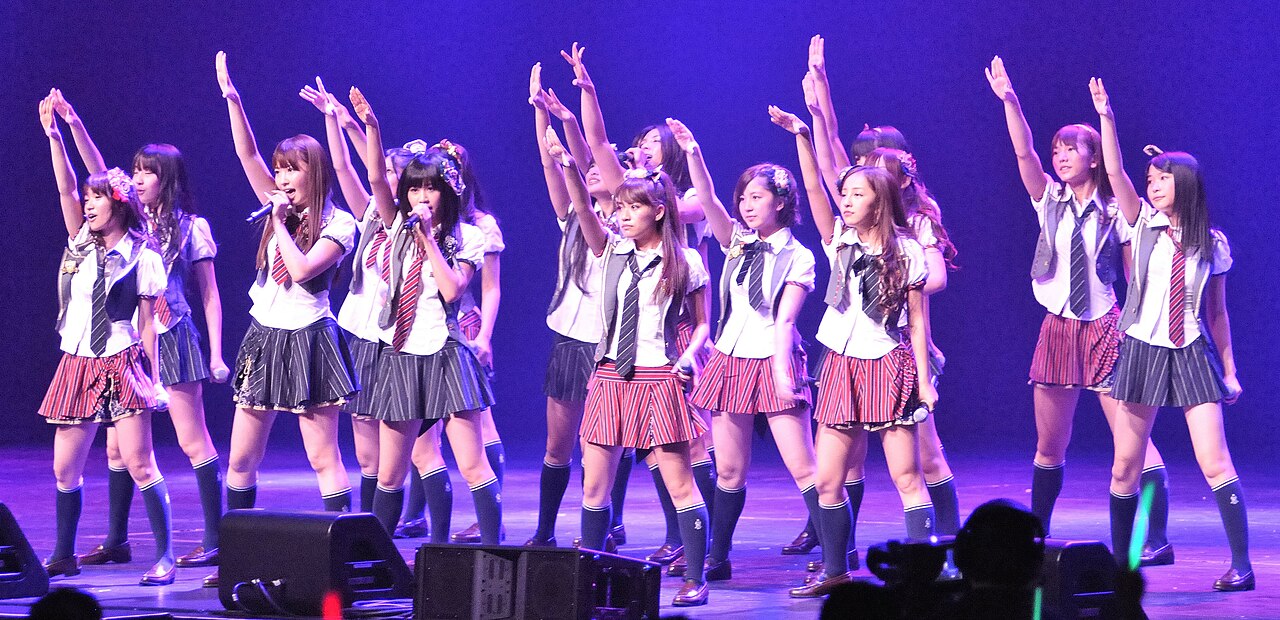
A teen idol is a celebrity whose public image and body of work generate strong admiration and focused fandom among teenagers. The label is applied to a wide range of public figures, whether movie stars, musicians, or television performers. In common usage the term describes someone especially popular with teens, and it is frequently applied to a celebrity whose persona, appearance, or roles appeal to adolescent tastes.
Image gallery
10 Images




Common characteristics
Teen idols often share a recognizable set of traits. They are frequently young, presentable, and media-friendly, and they appear in media formats that reach teenage audiences. Typical occupations include pop entertainers, singers, and actors, although athletes and social-media personalities can also become teen idols. Other recurring features include a clean or marketable image, catchy songs or memorable roles, and strong visual branding that makes merchandising and fan activities easy to organize.
Early development and historical examples
The concept of a star who excites teenage devotion emerged in the 20th century as mass media and youth culture spread. Early figures who attracted fervent young followers included silent-film heartthrob Rudolph Valentino, vocal and film star Frank Sinatra, entertainer Judy Garland, rock pioneer Elvis Presley, and cultural icon James Dean. These performers helped establish patterns of fandom and merchandising that later generations refined.
Later eras and notable names
The 1960s and 1970s broadened the phenomenon as pop and rock groups attracted mass teenage followings. Examples include The Beatles, The Rolling Stones, and television-formed acts like The Monkees, alongside solo teen-famous performers such as Donny Osmond and David Cassidy. Later waves produced boy bands and pop stars: the 1980s and 1990s saw groups like New Kids on the Block and Backstreet Boys, while the turn of the 21st century brought acts such as Britney Spears, Miley Cyrus, and the Jonas Brothers to the forefront of youth culture.
How teen idols function in culture
Teen idols serve commercial, social, and emotional roles. They drive music and media sales, influence fashion and slang, and create communities of fans who share tastes and rituals. Producers and promoters often cultivate teen-idol images deliberately because a devoted teenage audience can sustain long marketing cycles through concerts, magazines, fan clubs, television appearances, and product tie-ins.
Distinctions, criticisms, and evolution
Although the term sounds flattering, it also raises concerns. Critics note the ephemeral nature of teen-idol popularity and the pressure placed on young performers to maintain a manufactured persona. Questions about exploitation, mental health, and the sometimes narrow expectations for appearance and behavior have become more prominent. The rise of social media and streaming has changed how teen idols are discovered and supported: today many young stars cultivate followings directly on platforms rather than relying solely on record labels or studios.
Summary
As a cultural category, the teen idol reflects how youth tastes shape entertainment industries and public life. From early 20th-century film and music figures to contemporary pop stars and online creators, teen idols illustrate the interaction of image, media, and youth identity. Their influence endures, even as the channels that create and sustain fame continue to evolve.
Author
AlegsaOnline.com Teen Idol: Definition, History, Characteristics, and Cultural Impact Leandro Alegsa
URL: https://en.alegsaonline.com/art/96731
Sources
- nytimes.com : "The Slump in Teen Idoldom"
- entertainment.oneindia.in : "Miley dethrones Britney to become teen queen"