
The Monkees: American pop-rock band created for television
The Monkees were a 1960s American pop-rock group assembled for a television sitcom. Four members, chart hits, collaborations with professional songwriters and a mixed critical legacy led to lasting popular influence.
Overview
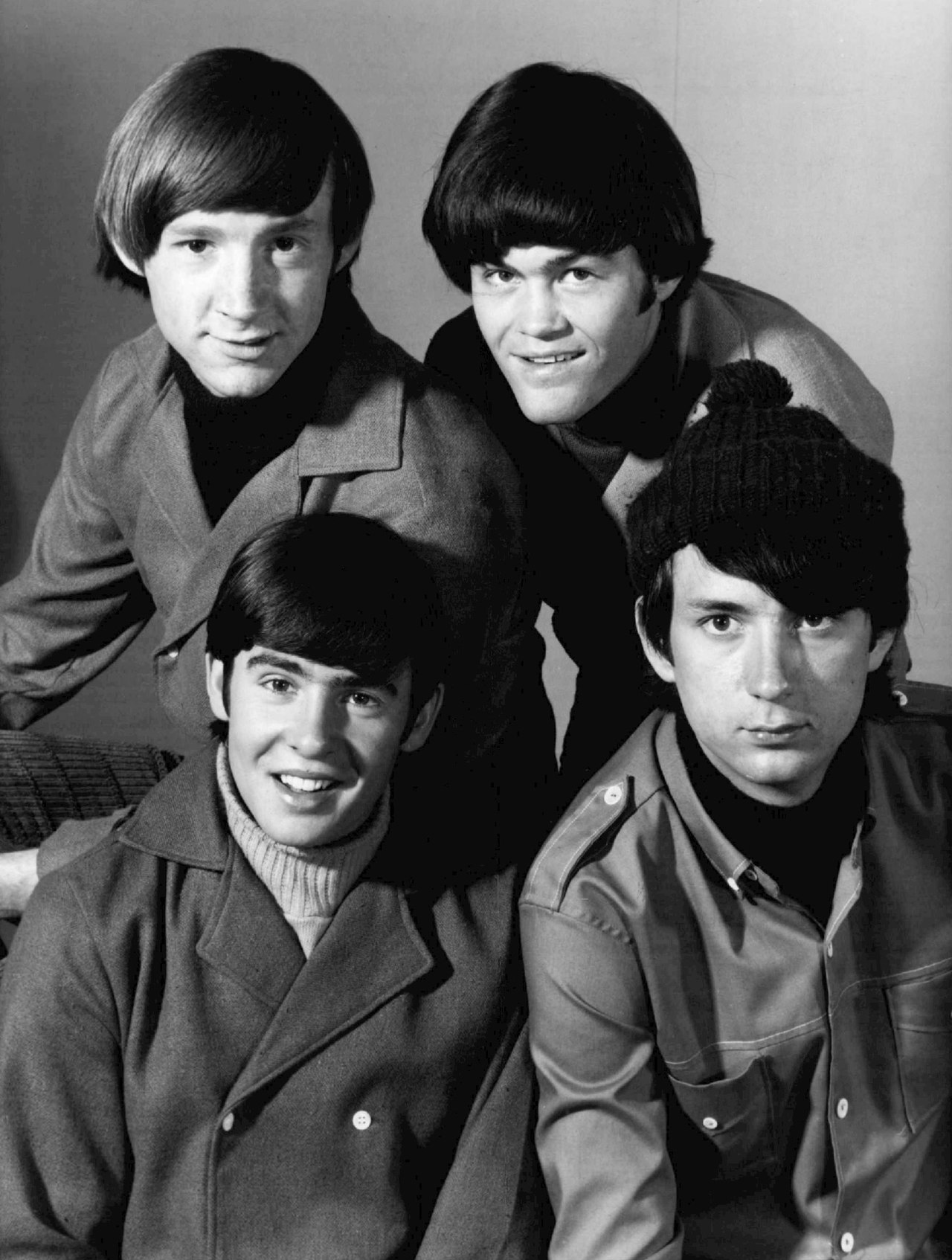
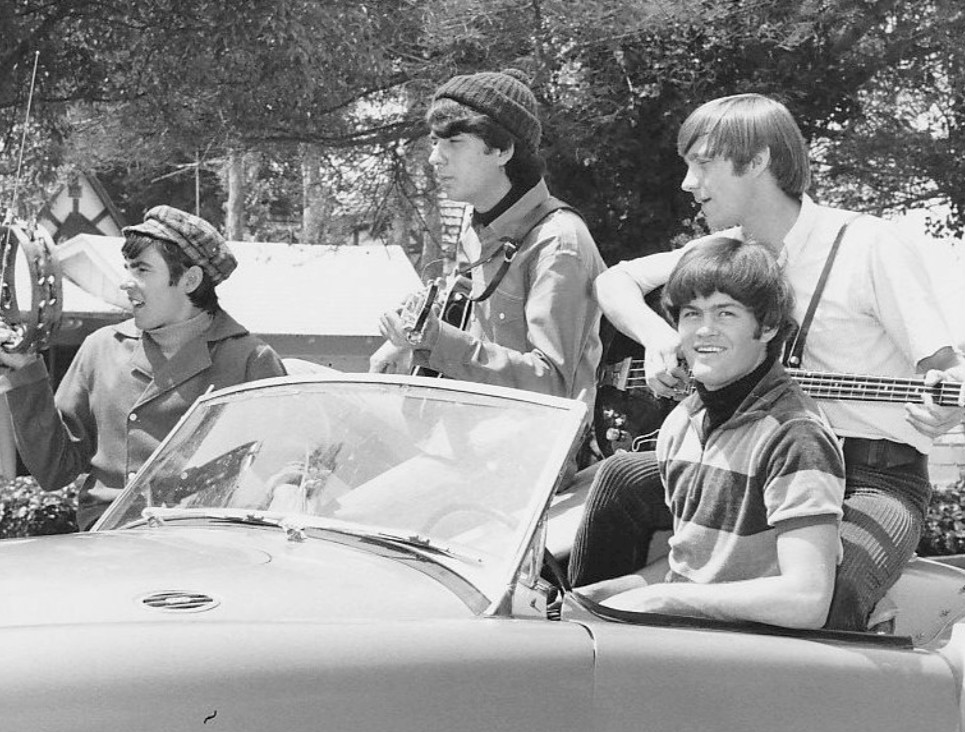
The Monkees were an American pop-rock group originally formed to star in a televised comedy series. The show, which ran on NBC in the late 1960s, presented the group as a fictional band whose on-screen adventures were paired with commercially released recordings. Although the project began as a television concept, the four performers—Davy Jones, Michael Nesmith, Peter Tork and Micky Dolenz—became a real-world musical act with several charting singles and albums. For background on the series and casting see television origins.
Image gallery
9 Images





Formation and television series
The program was the product of television producers who wanted a lighthearted, Beatles-inspired show. Casting brought together performers with acting and musical experience, and early episodes mixed scripted comedy with musical performances. The series introduced viewers to the group’s public personalities while promoting recorded singles. Contemporary accounts and production details are discussed in sources about 1960s TV entertainment and program production production notes and network context.
Music, collaborators and recordings
Much of the Monkees' early recorded material was written and produced by professional songwriters and studio teams. Notable collaborators included songwriting partners Tommy Boyce and Bobby Hart, and producer-arranger Chip Douglas. Many songs were sourced from established commercial songwriters often associated with the Brill Building tradition in New York. Session musicians were used on a number of tracks before the performers asserted greater musical control; the interplay between television demands and musical authenticity has been widely examined in music histories and articles songwriting teams, production collaborators, and studio practices.
- Notable singles: "Last Train to Clarksville", "I'm a Believer", "Daydream Believer"
- Songwriters and producers: Tommy Boyce & Bobby Hart, Chip Douglas
Band members and roles
The four members each contributed distinct talents: Davy Jones brought a pop vocal presence and television-friendly charm; Michael Nesmith favored country-rock influences and songwriting; Peter Tork supplied multi-instrumental skills and musical versatility; Micky Dolenz handled drums and lead vocals on several hits. Biographical summaries and individual careers after the series are covered in musician profiles and retrospectives Davy Jones, Michael Nesmith, Peter Tork, and Micky Dolenz.
Legacy, controversies and influence
The Monkees' legacy is mixed: critics initially dismissed the group as a manufactured act, while fans embraced their records and TV persona. A notable controversy concerned the use of session musicians on recordings and the performers' later efforts to play on and produce their own tracks. Over time, appreciation has grown for the quality of several recordings and for the group’s role in bridging television promotion and popular music marketing. Scholarly and popular discussions touch on themes of authenticity, mass media, and 1960s pop culture authenticity debates, media tie-ins, and cultural context.
Further notes and resources
For general overviews, discographies and reunion histories consult fan resources and archival collections that document chart performance, album releases and later tours. Suggested starting points include biographies, curated music histories and contemporary retrospectives discography and retrospectives.
Questions and answers
Q: Who were the members of The Monkees?
A: The members of The Monkees were Davy Jones, Michael Nesmith, Peter Tork, and Micky Dolenz.
Q: What television series was The Monkees originally created for?
A: The Monkees were originally created for a comedy television series of the same name which aired on NBC from 1966 to 1968.
Q: What songs did The Monkees have hits with?
A: The Monkees had hits with "Last Train to Clarksville", "I'm a Believer", and "Daydream Believer".
Q: Who wrote and produced songs for the band?
A: Tommy Boyce and Bobby Hart were songwriters and producers who worked with the Monkees. Another writer/producer for the Monkees was Chip Douglas. Many of the songs recorded by the Monkees came from the Brill Building writers in New York City.
Q: Where did many of the songs recorded by The Monkees come from?
A: Many of the songs recorded by The Monkees came from the Brill Building writers in New York City.
Q: When did their television series air on NBC?
A: Their television series aired on NBC from 1966 to 1968.
Related articles
Author
AlegsaOnline.com The Monkees: American pop-rock band created for television Leandro Alegsa
URL: https://en.alegsaonline.com/art/98479
Sources
- petertork.com : "Peter Tork"