
Bayreuth (district)
Rural district in Upper Franconia, Bavaria, surrounding the independent city of Bayreuth; known for forests, river sources, outdoor recreation and a mix of small towns and agricultural landscape.
Overview
Bayreuth is a Landkreis (rural district) in Upper Franconia, in the German state of Bavaria. The district surrounds—but does not include—the independent city of Bayreuth, which nonetheless functions as the administrative seat. The district combines agricultural lowlands, wooded hills and several small towns and market municipalities that form its local government and economy. For official information see the district's web presence: district portal.
Image gallery
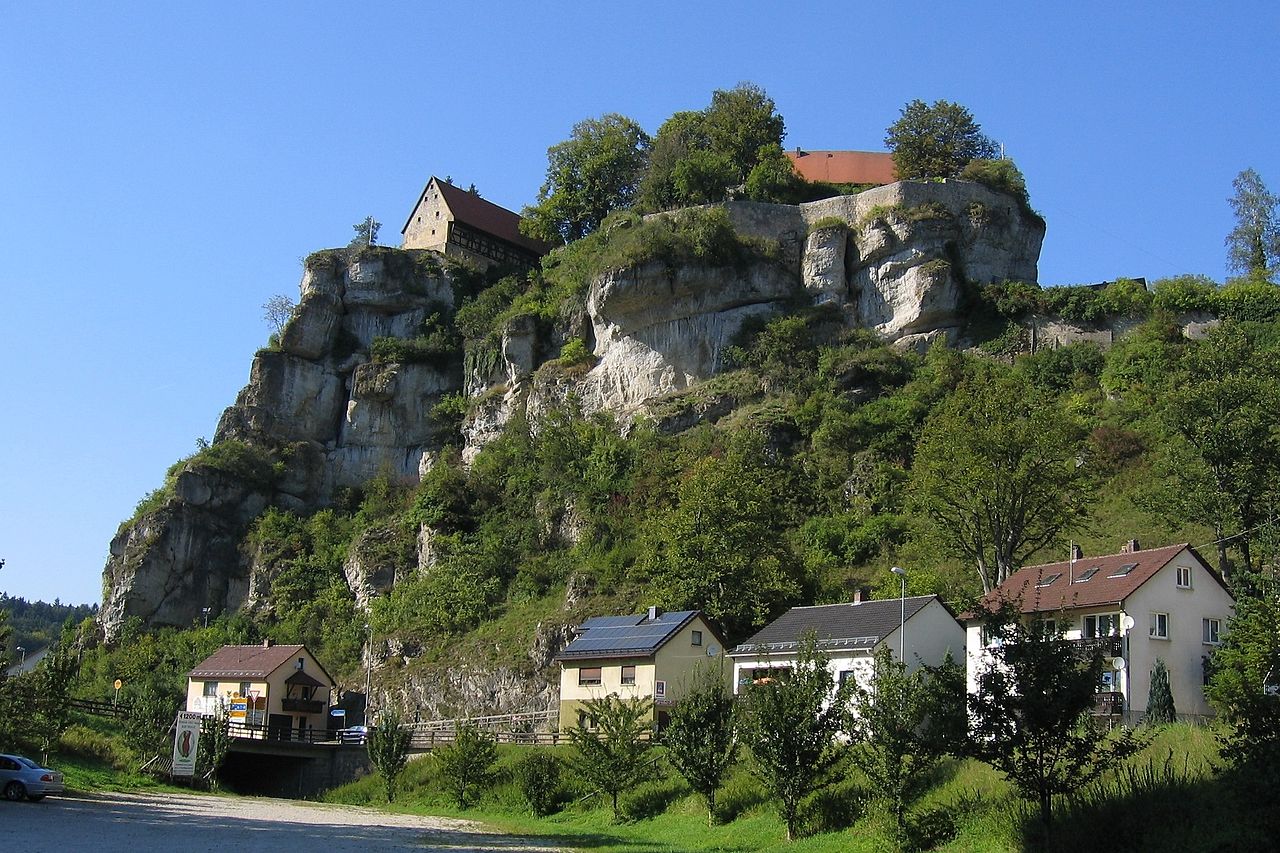
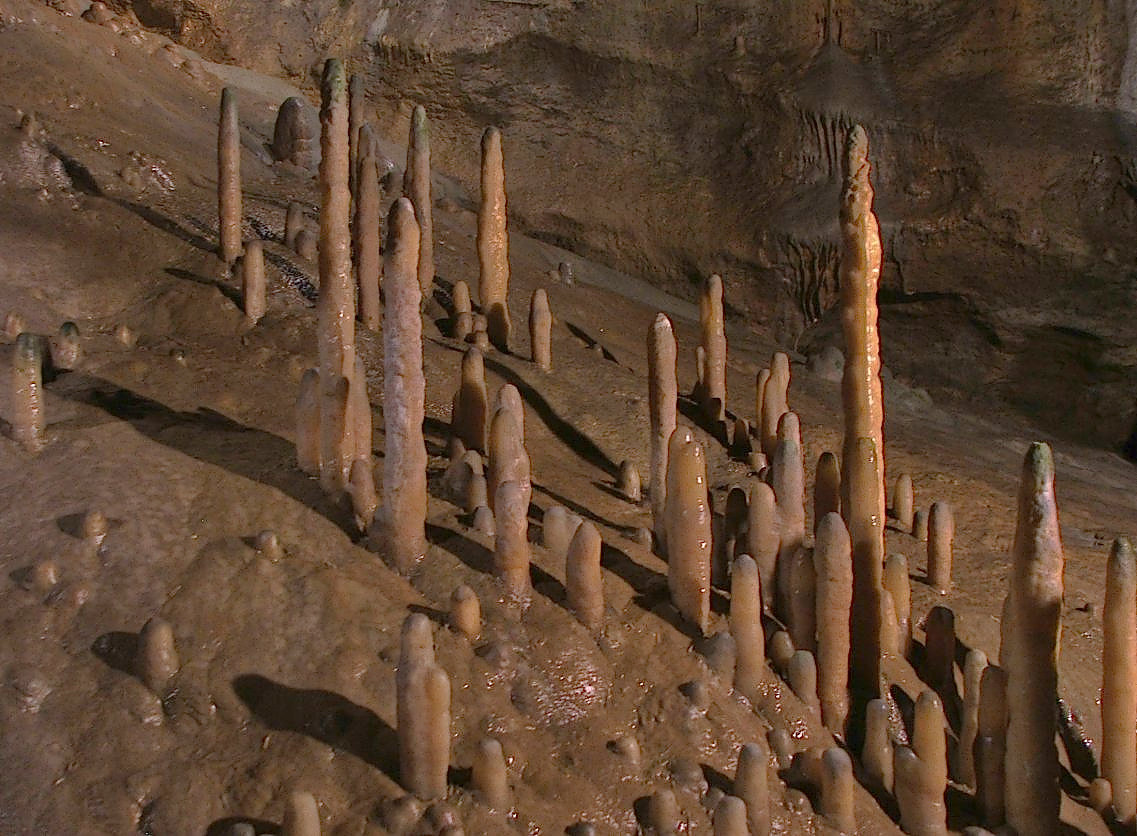
10 Images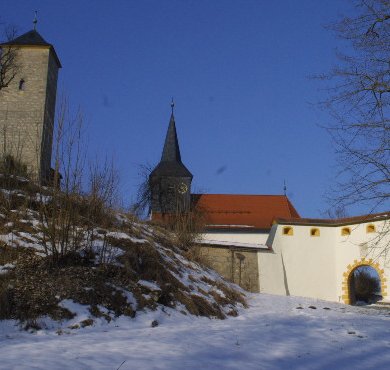



Geography and nature
The landscape is characterised by mixed forests, rolling hills and river valleys. A notable feature is the Veldenstein Forest (Veldensteiner Forst), a large contiguous woodland area valued for its biodiversity, limestone cliffs and hiking paths. The district also contains headwaters of the Main river system: one of the Main's principal sources (the White Main headstream) rises within the broader upland area of the district, feeding the river network that flows westward across Franconia.
History and development
The territory of the modern district lies within the historic region of Franconia and has long associations with Franconian principalities and margraviates. Over the 19th and 20th centuries local boundaries and administrative arrangements were reorganised as part of Bavarian state reforms; the present-day district emerged through those reforms and later municipal reorganisations. The independent city of Bayreuth developed as a separate urban district while remaining the practical centre for administration, services and culture.
Administration and settlements
The district is governed by an elected district council and a district administrator. It contains a number of towns and many smaller municipalities and market communities that manage local affairs such as planning, schools and basic services. Examples of towns and communities in the district include Pegnitz and Bad Berneck, together with numerous villages and parishes that form rural municipal associations.
Economy, transport and services
Economic activity in the district is mixed and largely local in scale: agriculture, forestry, small and medium-sized enterprises, light manufacturing and service industries form the backbone of the local economy. Transportation links are oriented toward regional hubs; road and rail connections link the district to larger centres such as Nuremberg and other cities in Bavaria and beyond. Public services and specialist institutions are frequently concentrated in the independent city of Bayreuth, which also serves as a shopping, medical and administrative centre for district residents.
Culture, tourism and recreation
While the city of Bayreuth is internationally known for its musical festivals and cultural heritage, the rural district attracts visitors for nature-based recreation: hiking, cycling, fishing and exploring small historic towns. Spa and health resorts in the region offer wellness tourism, and local history museums, churches and market squares reflect centuries of Franconian traditions. Practical visitor information and regional initiatives can be consulted via the district or state portals, for example regional information.
- Notable natural area: Veldenstein Forest (protected woodlands and trails)
- Hydrological fact: contains headwaters of the Main river system
- Administrative note: the city of Bayreuth is separate but serves as the district seat
Tags
Related articles
Author
AlegsaOnline.com Bayreuth (district) Leandro Alegsa
URL: https://en.alegsaonline.com/art/9711
Sources
- statistikdaten.bayern.de : "Fortschreibung des Bevölkerungsstandes"
- commons.wikimedia.org : Landkreis Bayreuth