
Tear down this wall! — Reagan's 1987 Brandenburg Gate Challenge
Overview of Ronald Reagan's 1987 Brandenburg Gate speech urging Mikhail Gorbachev to 'tear down' the Berlin Wall, its Cold War context, reception, and symbolic legacy.
Overview
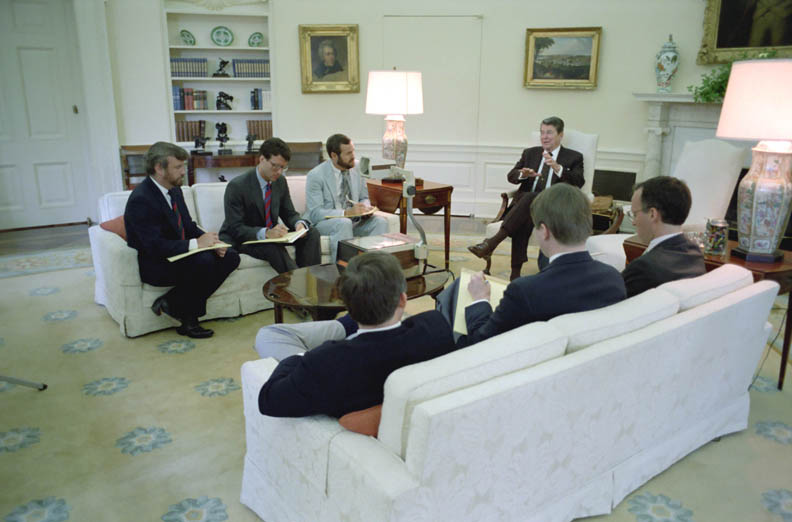
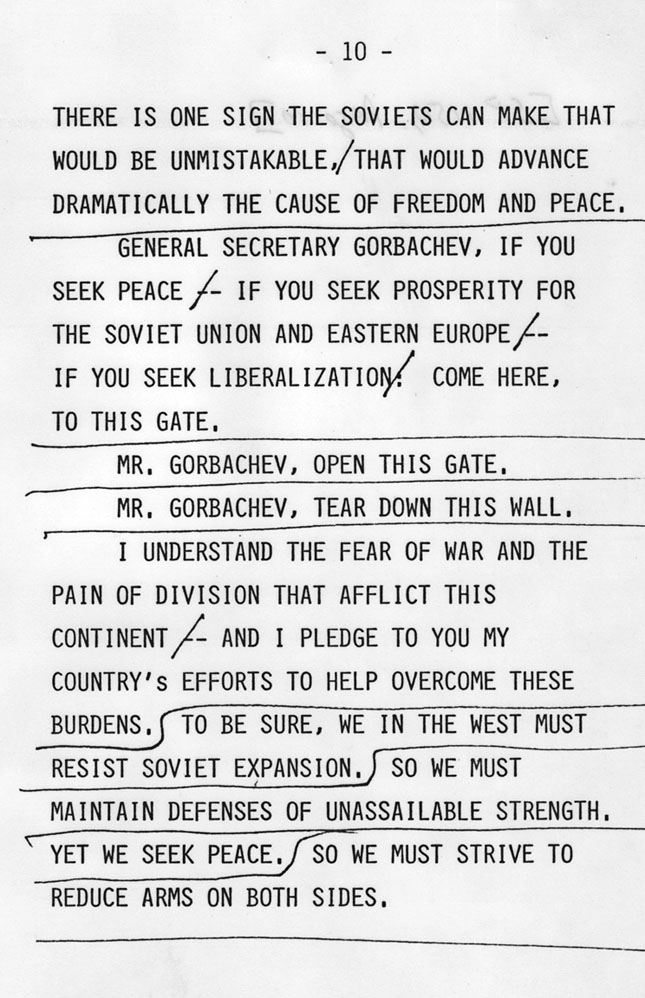
On June 12, 1987, United States President Ronald Reagan delivered a high‑profile address at the Brandenburg Gate, the historic gateway that stood adjacent to the Berlin Wall. In that speech he issued a direct public challenge to Soviet leader Mikhail Gorbachev: "Mr. Gorbachev, tear down this wall!" The line quickly became the most remembered element of a speech given as Berlin celebrated its 750th anniversary.
Image gallery
10 Images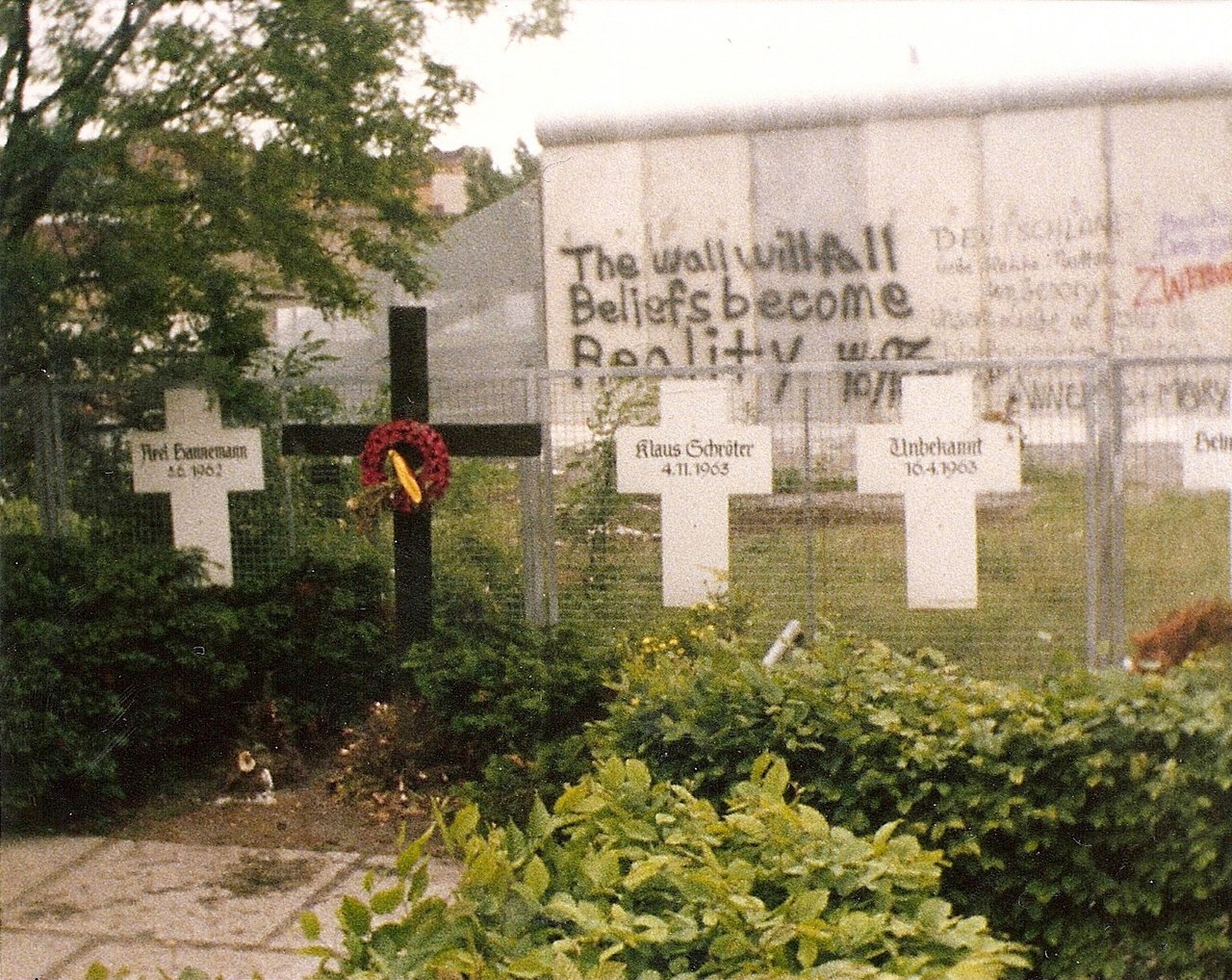


Context and setting
The speech took place at a pivotal moment in the late Cold War. The Soviet Union under Gorbachev had announced policies of glasnost (openness) and perestroika (restructuring), creating new hopes for reform across Eastern Europe. West Berlin, still separated from East Berlin and East Germany by barbed wire and concrete, had long been a powerful symbol of the ideological division between east and west. Leaders and dignitaries in attendance included West German president Richard von Weizsäcker, Chancellor Helmut Kohl, and First Lady Nancy Reagan, underscoring the event's diplomatic prominence.
Text and themes
Reagan's address combined appeals to freedom, security, and the universal aspirations of people living under authoritarian systems. He framed the Wall not merely as concrete and barbed wire but as a visible denial of basic human liberty. While invoking broader Cold War arguments about peace and stability, Reagan explicitly called on Gorbachev to demonstrate a genuine commitment to liberalization by removing the barrier. The phrase "if you seek peace" and similar lines tied the moral argument to a pragmatic case for reducing tensions.
Reception and immediate impact
Reactions at the time were mixed. Supporters hailed the speech as a bold moral challenge that matched the aspirations of many Berliners and critics of communist rule. Some diplomats and commentators argued the rhetoric risked antagonizing Soviet authorities or oversimplified complex geopolitical realities. Whatever the immediate diplomatic debates, the address resonated widely in Western public opinion and among dissidents behind the Iron Curtain as a symbolic affirmation of Western support for freedom in divided Germany.
Legacy and later developments
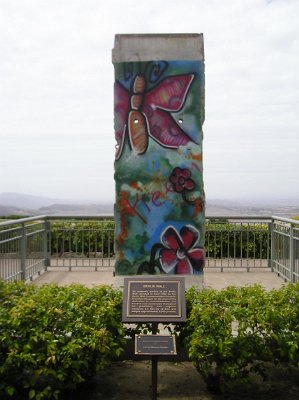
Two years after the speech the Berlin Wall fell in November 1989 amid a wave of political change across Eastern Europe. Historians and commentators generally treat Reagan's line as an iconic moment that captured the spirit of the era rather than as the single cause of the Wall's collapse. The speech remains frequently cited in lists of memorable presidential addresses and continues to be studied for its rhetoric, timing, and role in Cold War symbolism.
Notable facts and further reading
- The speech was delivered from the western side of the Gate, a staging that emphasized the Wall's physical and political presence.
- Its most famous line—"Mr. Gorbachev, tear down this wall!"—is often quoted in discussions of leadership, protest rhetoric, and the use of symbolic language in international affairs.
- For contemporary documents, biographies, and archived footage, researchers consult a variety of sources and collections that document late Cold War diplomacy and public addresses.
Useful starting points for further inquiry include biographical and documentary materials on Reagan, the institutional history of the Soviet Union, Gorbachev's reform agenda (Gorbachev), and primary sources about the Berlin Wall and the Brandenburg Gate. Contemporary coverage and memoirs by attendees such as Weizsäcker, Kohl, and observers including Nancy Reagan provide additional perspective on the event and the diplomatic climate that produced it. The speech's appeals to peace and openness remain part of its enduring public image.
Related articles
Author
AlegsaOnline.com Tear down this wall! — Reagan's 1987 Brandenburg Gate Challenge Leandro Alegsa
URL: https://en.alegsaonline.com/art/96656
Sources
- usatoday.com : "Reagan's 'tear down this wall' speech turns 20 - USATODAY.com"