
Richard von Weizsäcker: German statesman and Federal President (1920–2015)
Richard von Weizsäcker (1920–2015) was a German politician of the CDU who served as President of the Federal Republic (1984–1994). He is remembered for moral leadership, reconciliation and his role during reunification.
Overview
Richard von Weizsäcker (15 April 1920 – 31 January 2015) was a prominent German statesman and member of the CDU. He served as President of the Federal Republic of Germany from 1984 until 1994 and played a widely respected public role during a period that included German reunification.

Image gallery
10 Images

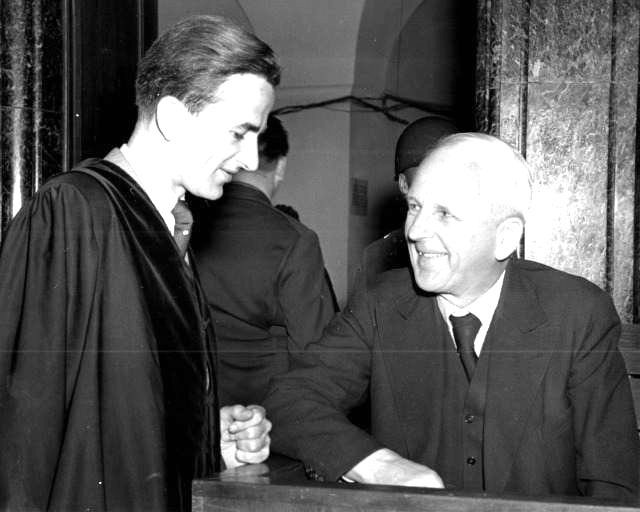


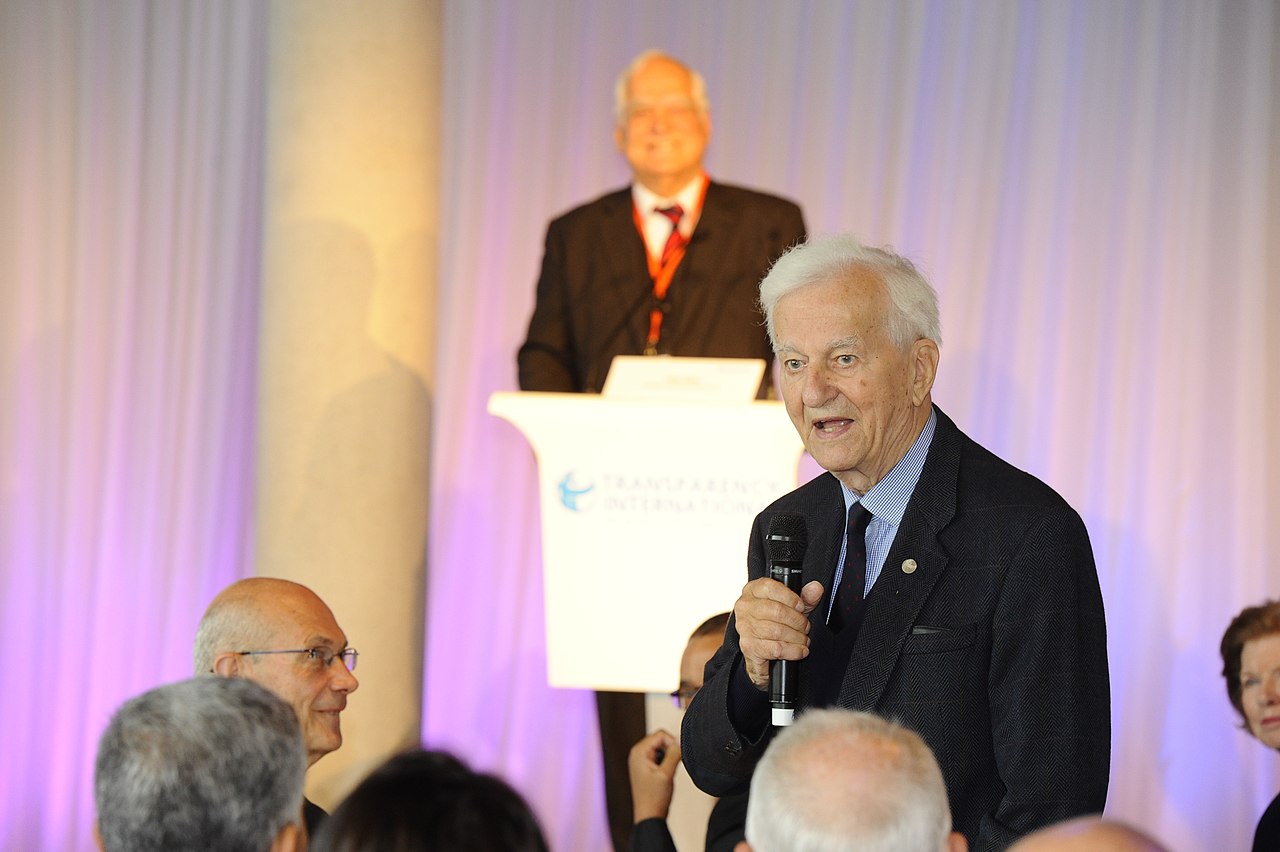


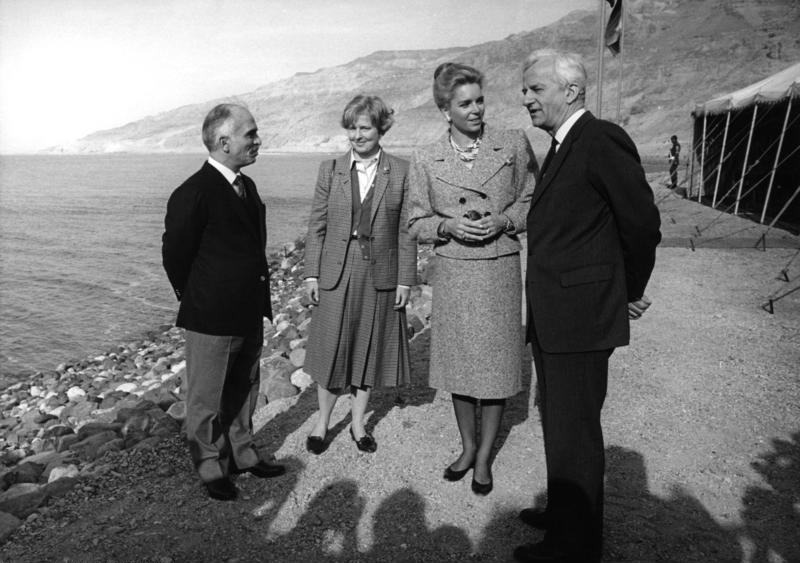
Early life and career
Born into a family with a background in public service, von Weizsäcker experienced Germany's turbulent twentieth century firsthand. He served in the armed forces during World War II, studied law afterwards and entered public life as a lawyer, civil servant and local politician. Before becoming federal president he held important regional office and was known for measured, constitutionally minded argument.
Presidency and public role
As head of state his position was largely ceremonial, but he used it to shape public debate. He emphasized historical responsibility, notably framing the end of World War II as liberation from National Socialism, and supported reconciliation with neighboring countries. His term covered the pivotal events of 1989–1990, when the Federal Republic and the former German Democratic Republic moved toward reunification.
Legacy and significance
Von Weizsäcker is remembered for bringing dignity, moral clarity and a conciliatory tone to the presidency. He reached across party lines and strengthened Germany’s international standing, arguing for European cooperation and a reflective national memory. After leaving office in 1994 he remained an influential public figure until his death in 2015.
Notable facts
- Member of the Christian Democratic Union (CDU), active in postwar democratic institutions.
- Often cited for a landmark speech that described 8 May 1945 as a day of liberation from tyranny.
- Served as a unifying figure during German reunification and in debates on national memory and responsibility.
- His presidency illustrated the moral influence a largely ceremonial office can exert in modern democracies; see discussions of the Federal Presidency and Germany’s postwar development on general reference sites (Germany).
Questions and answers
Q: Who was Richard von Weizsäcker?
A: Richard von Weizsäcker was a German politician and a member of the CDU party.
Q: What position did Richard von Weizsäcker hold?
A: Richard von Weizsäcker was the President of Germany from 1984 to 1994.
Q: When was Richard von Weizsäcker born and when did he die?
A: Richard von Weizsäcker was born on April 15, 1920, and he died on January 31, 2015.
Q: Which political party did Richard von Weizsäcker belong to?
A: Richard von Weizsäcker was a member of the CDU party.
Q: Can you provide some information about Richard von Weizsäcker's political career?
A: Unfortunately, the given text does not provide any information about Richard von Weizsäcker's political career.
Q: Why is Richard von Weizsäcker significant in German history?
A: Richard von Weizsäcker was a significant figure in German history as he served as the President of Germany during a crucial period in the country's history, which included the fall of the Berlin Wall and the reunification of East and West Germany.
Q: In what year did Richard von Weizsäcker become the President of Germany?
A: Richard von Weizsäcker became the President of Germany in 1984.
Author
AlegsaOnline.com Richard von Weizsäcker: German statesman and Federal President (1920–2015) Leandro Alegsa
URL: https://en.alegsaonline.com/art/129562