
Tham Luang cave rescue (2018)
The 2018 international rescue of twelve boys and their coach from Tham Luang cave in northern Thailand after monsoon flooding; a complex, high-profile operation involving diving, pumping and global expertise.
The Tham Luang cave rescue was a high-profile international effort in June–July 2018 to recover twelve boys, aged 11–16, and their 25-year-old assistant coach who became trapped by rising floodwaters inside Tham Luang Nang Non (ถ้ำหลวงนางนอน), a karst cave complex in northern Thailand. The group, members of a local youth football team, entered the cave during the rainy season and were cut off when heavy monsoon rain flooded passages and chambers. The situation quickly grew urgent as supplies dwindled and water levels prevented simple egress.
Image gallery
10 Images





Location and cave characteristics
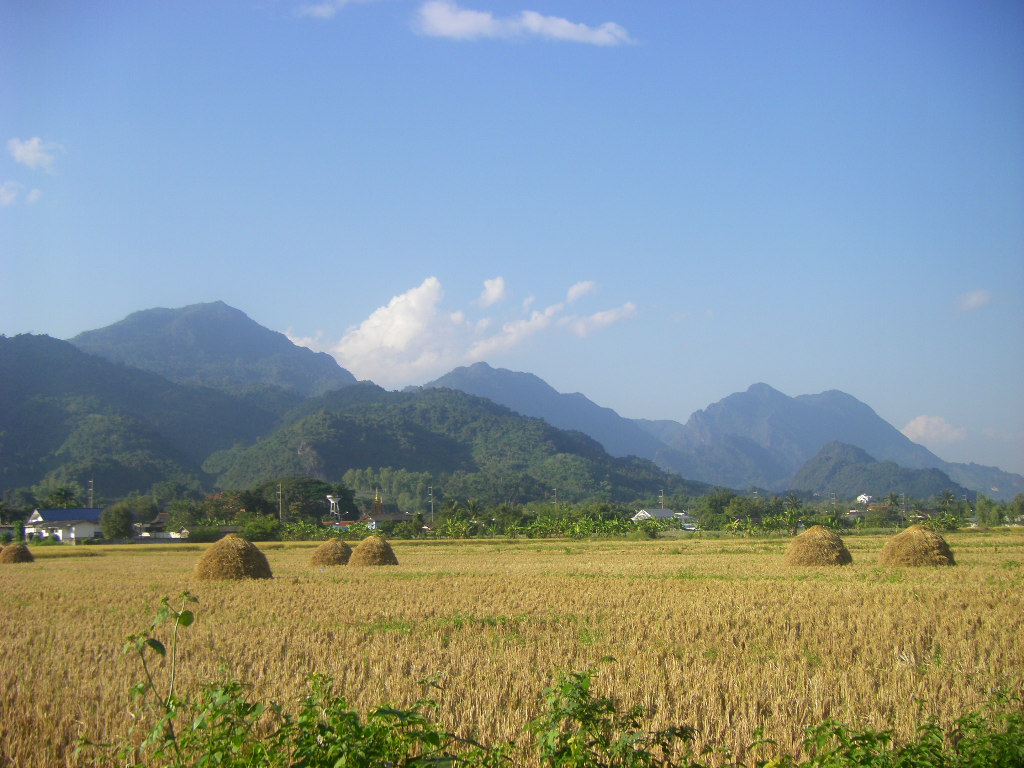
Tham Luang is a multi-kilometre limestone cave system with a network of narrow tunnels, submerged sections and chambers at varying elevations. During the monsoon, water from the surface flows into the cave and can rapidly raise water levels, turning otherwise accessible routes into hazardous submerged passages. Rescue planners had to contend with limited visibility, strong currents in some sections, low airspace in tunnels, and muddy floors that hindered movement and equipment deployment.
Search, discovery and extraction
Search teams began soon after the group was reported missing on 23 June 2018. Local authorities joined volunteers and international experts as the effort expanded into a major operation. After days of probing, British cave divers made contact with the boys and their coach on 2 July on an elevated rock chamber several kilometres from the entrance. All were alive but weakened, and the discovery reframed the mission from location to extraction under hazardous conditions.
- 23 June: group reported missing and initial search launched.
- Late June–early July: international teams arrive; pumping and drilling attempts to lower water.
- 2 July: British divers locate the group on a high ledge deep in the system.
- Early–mid July: multi-stage evacuation combining diving guides, medical support and logistical coordination.
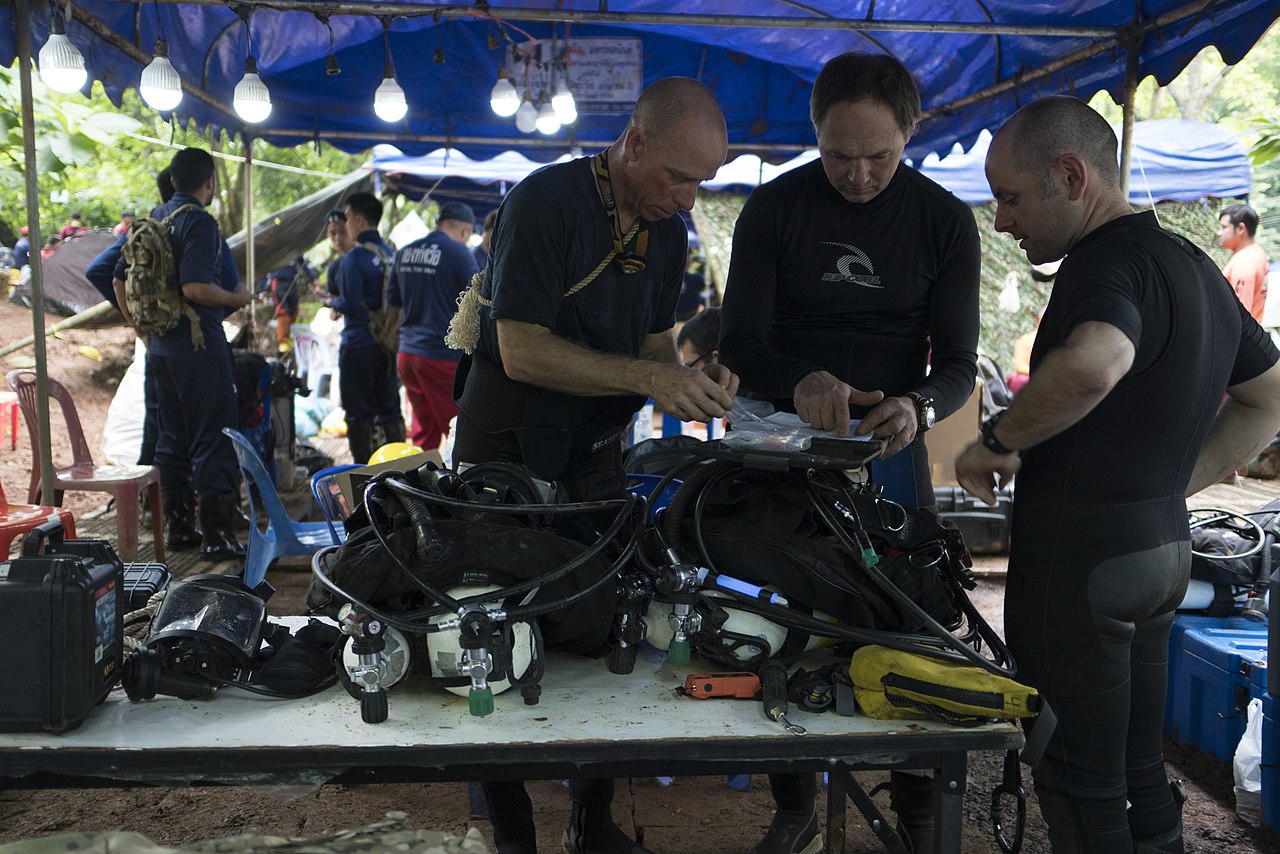
Several extraction strategies were considered, including waiting for the dry season to lower water levels, teaching the boys to dive, and constructing alternative surface access. The chosen plan combined specialist cave-diver-led extractions and water-management efforts. Each boy was accompanied by two divers through submerged passages, and all were brought out over several days in mid-July 2018. The operation required careful medical assessment, oxygen management, and psychological support for those rescued.
International effort, challenges and legacy
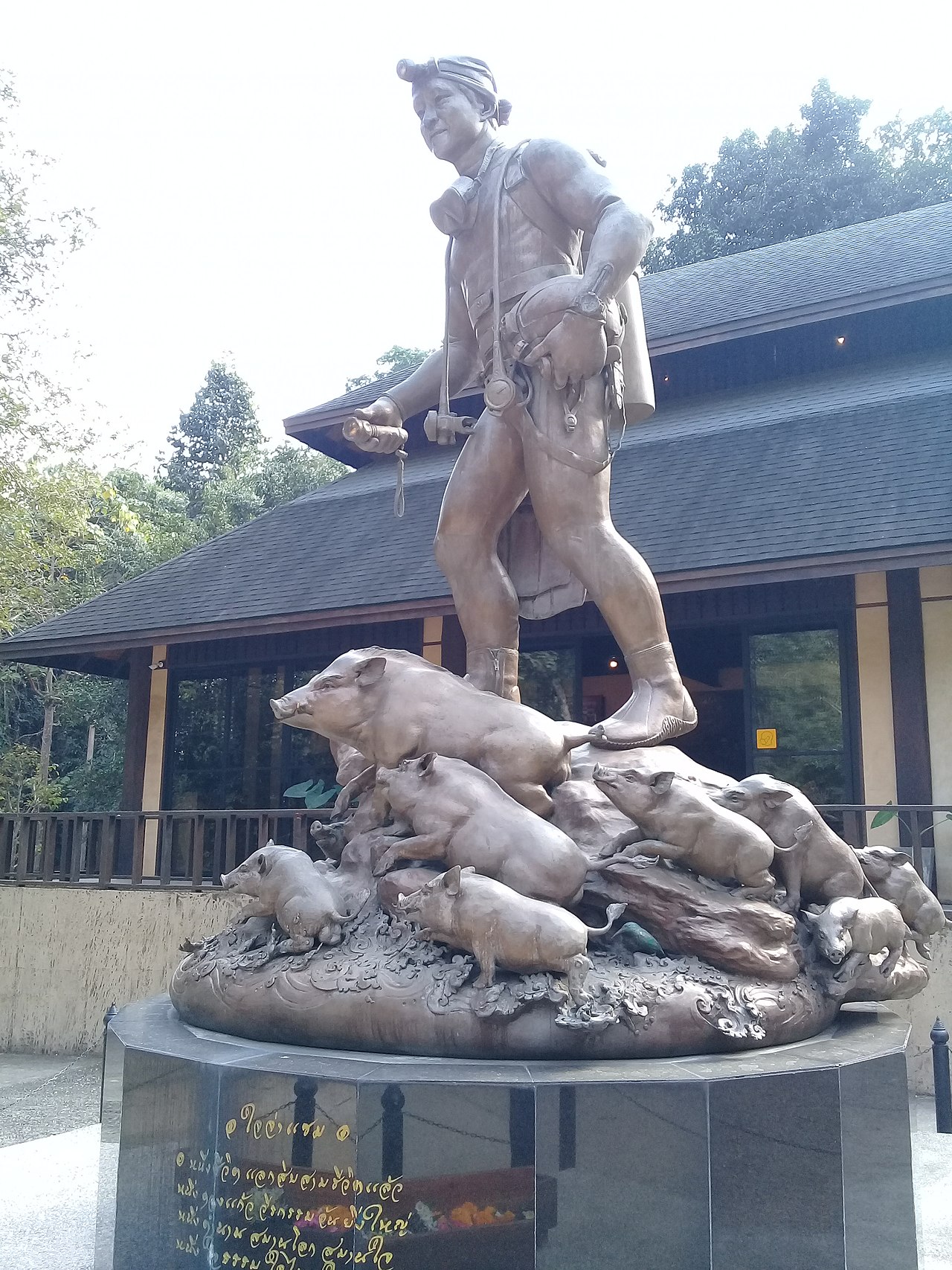
More than a thousand people participated in various roles: Thai military and rescue units, foreign dive experts, engineers, medics and volunteers providing logistics, pumps and equipment. The mission involved complex coordination across language and institutional boundaries and was constrained by weather, equipment limits and the inherent dangers of underwater cave rescue. The operation was marred by tragedy when a former Thai Navy SEAL, who had been supplying oxygen inside the cave, died during the mission. His death underscored the peril faced by rescuers as well as those trapped.
The Tham Luang rescue became notable for its scale, international cooperation and the application of cave-diving techniques in a life-or-death context. It spurred worldwide interest in cave safety and rescue training, contributed lessons on incident management and cross-border collaboration, and prompted memorials and media coverage that documented both the human drama and the technical ingenuity involved. The site itself has drawn increased attention from researchers, adventurers and those reflecting on the incident’s humanitarian and logistical lessons.
Related articles
Author
AlegsaOnline.com Tham Luang cave rescue (2018) Leandro Alegsa
URL: https://en.alegsaonline.com/art/97379
Sources
- dispatchlive.co.za : Dispatch Live: WATCH | Agonising rescue ahead for Thai cave boys as nation rejoices
- edition.cnn.com : "Thailand cave rescue: Search teams unsure how to free boys" · web.archive.org
- bbc.co.uk : "Drones, dogs, drilling and desperation" · web.archive.org
- cnn.com : "How a lack of oxygen is affecting the Thai soccer team"
- nytimes.com : "Thai Cave Rescue Will Be a Murky and Desperate Ordeal, Divers Say" · web.archive.org