
The Day the Music Died: the 1959 plane crash that shocked rock and roll
A concise account of the February 3, 1959 plane crash that killed Buddy Holly, Ritchie Valens and J.P. "The Big Bopper," its investigation, survivors, and cultural legacy.
On February 3, 1959, a small charter plane carrying several popular young performers crashed near Clear Lake, Iowa, killing all on board. The loss—including influential figures in early rock and roll—was sudden and widely mourned, and later came to be called "The Day the Music Died" after a line in Don McLean's song "American Pie". The incident occurred during the Winter Dance Party tour, a grueling Midwest package that exposed the strains of touring life for late‑1950s pop acts (Winter Dance Party).
Image gallery
10 Images



Crash and immediate aftermath
After a February performance at the Surf Ballroom in Clear Lake, several musicians boarded a Beechcraft Bonanza for a short flight to the next stop. The aircraft went down shortly after takeoff in poor winter weather; all four occupants—the three performers and the pilot—were killed. The crash shocked fans, reporters and fellow musicians and brought intense media attention to safety and scheduling practices on rock tours.
Victims and survivors
- Buddy Holly — singer, songwriter and bandleader whose work influenced generations of rock musicians.
- Ritchie Valens — rising star known for hits that blended rock with Mexican folk influences.
- J. P. "The Big Bopper" Richardson — disc jockey and performer popular for energetic stage presence.
- Pilot Roger Peterson and no other passengers survived; nearby towns including Clear Lake, Iowa were the focus of recovery efforts.
Investigation and likely causes
Government investigators examined weather, maintenance and the pilot's qualifications. Their findings emphasized that poor night weather and limited instrument experience likely contributed to spatial disorientation and loss of control. The crash prompted questions about tour logistics—long bus rides, overnight schedules and the practice of chartering small aircraft to save time.
Legacy and cultural impact
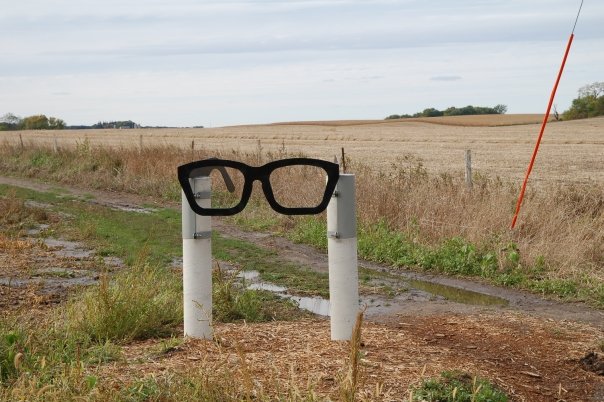
The deaths removed three prominent voices from early rock history and have been repeatedly examined in books, documentaries and films. The phrase "The Day the Music Died," popularized by Don McLean in "American Pie", cast the event as a symbolic turning point in American pop culture. Annual commemorations at the Surf Ballroom and memorial markers at the crash site keep the memory alive for fans and historians alike.
Notable facts and remembrance
Two musicians who had been on the same tour survived because they did not take seats on the flight; one gave up his place because of illness and another lost a coin toss. The Surf Ballroom remains a pilgrimage site for admirers, and the event continues to shape discussions about artist safety, touring practices and the way sudden loss becomes part of cultural mythmaking.
Related articles
Author
AlegsaOnline.com The Day the Music Died: the 1959 plane crash that shocked rock and roll Leandro Alegsa
URL: https://en.alegsaonline.com/art/97861