
Tatar language: overview, features, history and contemporary status
Tatar is a Turkic language of the Kipchak branch spoken by the Tatar people. It is co-official in Tatarstan (Russia) and exists in several regional varieties, with a long literary tradition and contested writing reforms.
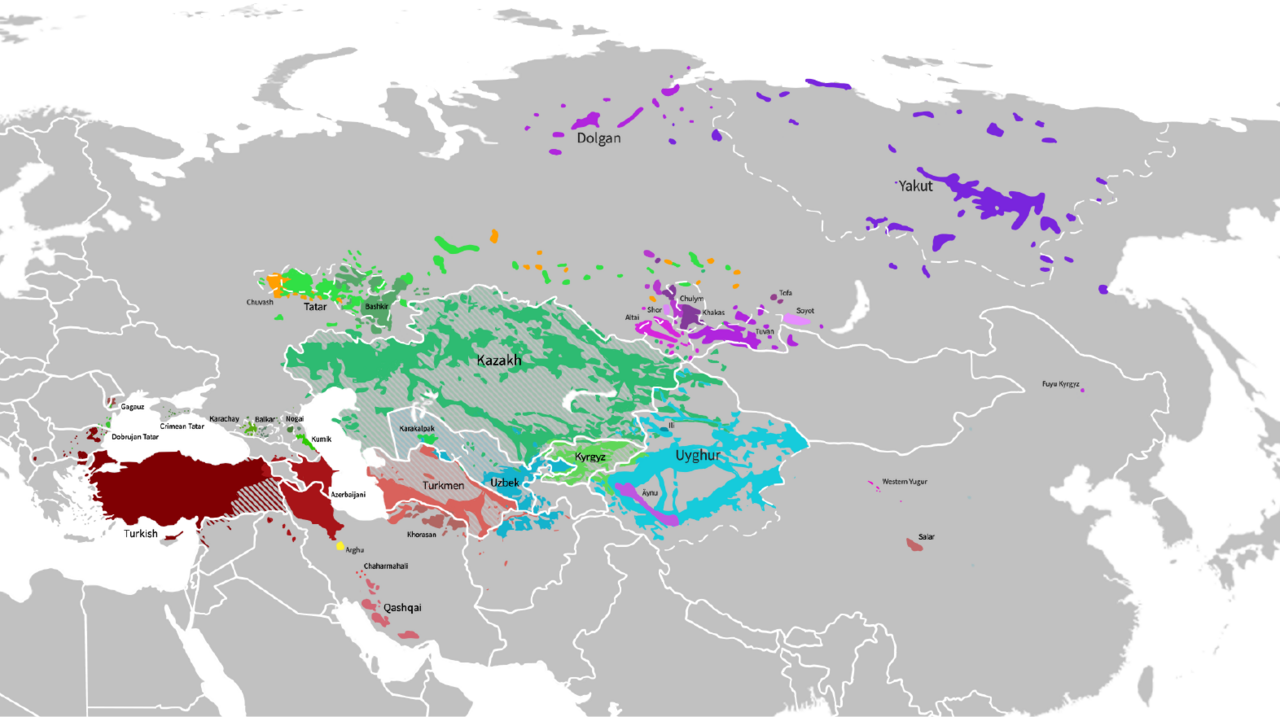
The Tatar language is a Turkic language primarily spoken by the Tatar people. It belongs to the Kipchak branch of the Turkic family and serves as one of the official languages of the Republic of Tatarstan alongside Russian. Tatar is used in everyday communication, education, local media and cultural life across parts of the Volga-Ural region and in Tatar communities elsewhere in Russia and beyond.
Image gallery
8 Images


Characteristics
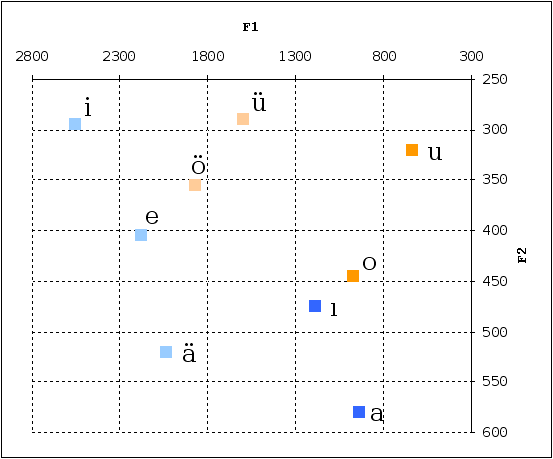
Tatar displays features typical of Turkic languages: agglutinative morphology, extensive use of suffixes to mark case, number and tense, and vowel harmony that affects how suffixes are formed. Word order tends to be subject–object–verb (SOV). There is no grammatical gender. Pronunciation and vocabulary show layers of influence from Old Turkic, as well as borrowings from Arabic, Persian and Russian due to historical contact.
Dialects and varieties
Several regional varieties exist. The Central (Kazan) variety is the basis for the literary standard used in Tatarstan. Other groups, sometimes called Siberian or Crimean Tatars, represent related but distinct dialects or languages within the broader Turkic continuum. Mutual intelligibility with neighboring languages such as Bashkir is partial: they are closely related but distinct.
History and writing systems
Tatar has a documented literary history and a modern literary tradition dating to the 19th and early 20th centuries. Historically it was written with an Arabic-based script. In the early Soviet period there were alphabet reforms that introduced Latin forms; later, Cyrillic became the standard writing system and remains widely used today. Debates about script choice and orthography have continued into the 21st century.
Notable features and uses
- Grammar: agglutination and case marking.
- Phonology: vowel harmony and a consonant inventory shaped by contact languages.
- Literature and media: modern newspapers, books and broadcast media in Tatar support its cultural life.
- Education and law: Tatar is taught in schools in Tatarstan and has protected status as a regional language.
The Tatar language remains an important marker of identity for the Tatar people and an active subject of linguistic research, language policy and cultural revival efforts. For further general information consult regional resources and language overviews maintained by cultural institutions and academic scholars.
Related articles
Author
AlegsaOnline.com Tatar language: overview, features, history and contemporary status Leandro Alegsa
URL: https://en.alegsaonline.com/art/96494
Sources
- ethnologue.org : Tatar
- wikidata.org : wikidata.org/wiki/Q25285
- d-nb.info : 4120354-9
- id.ndl.go.jp : 00572726