
Takamagahara — the High Plain of Heaven in Shinto mythology
Takamagahara is the mythic 'High Plain of Heaven' in Shinto belief, the dwelling of the kami and the upper realm in Japanese cosmogony, connected to the earthly world by the Floating Bridge of Heaven.
Overview
Takamagahara, often translated as the "High Plain of Heaven," is the mythic realm in classical Japanese cosmogony where the kami dwell. The name appears in early chronicles and ritual texts and is commonly written with the characters 高天原. It functions as the celestial counterpart to the human world and the land of the dead in traditional triadic cosmologies.
Image gallery
9 Images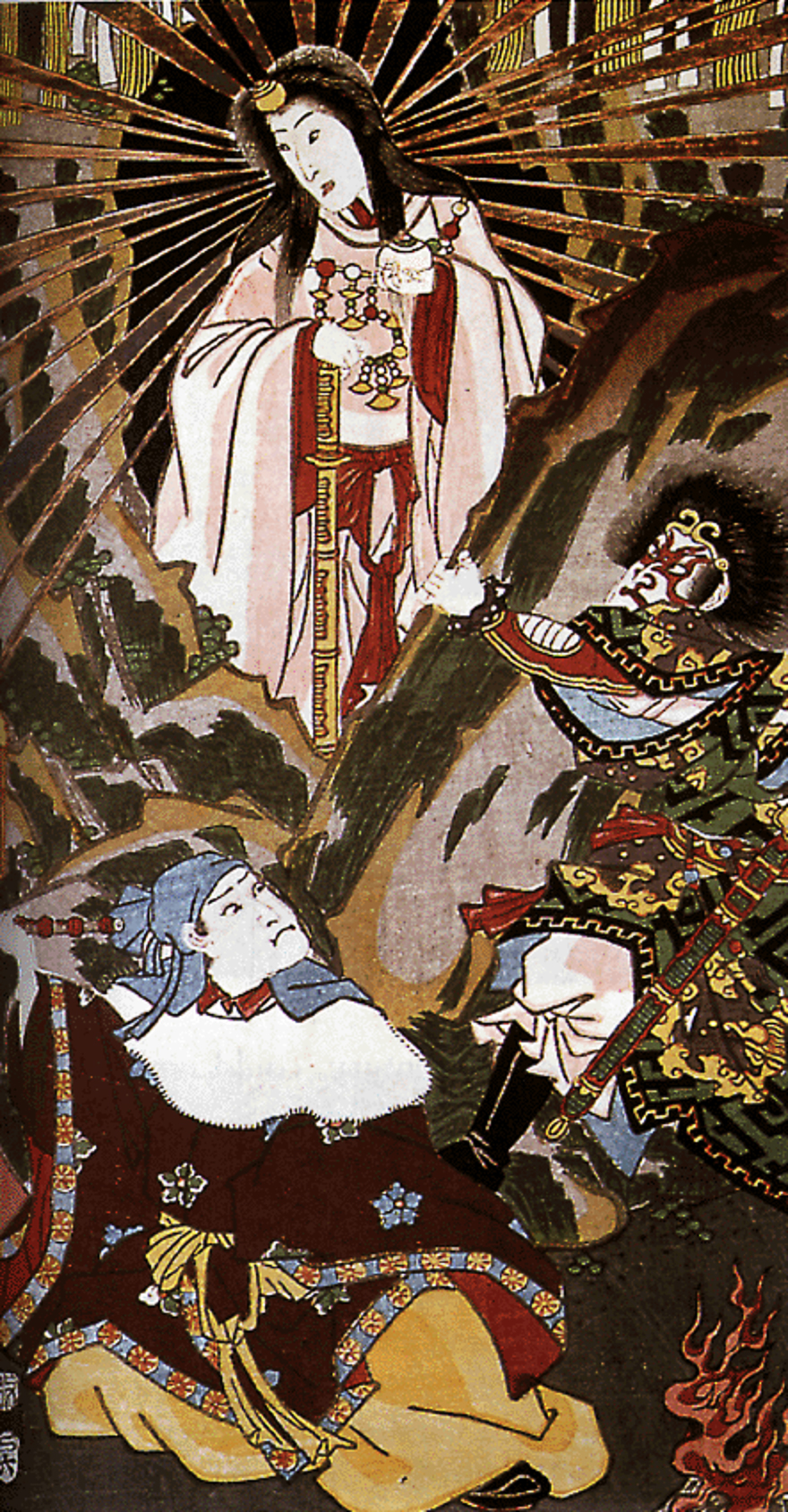



Name and meaning
The Japanese reading is recorded and discussed in many sources (orthography and readings), while literal renderings emphasize height and openness (High Heaven's Plain). The phrase is frequently glossed for modern readers as the "High Plain of Heaven" or simply "Takamagahara" in works on Japanese mythology.
Position in mythic geography
In traditional accounts Takamagahara is the upper realm above the earthly domain (Ashihara no Nakatsukuni) and the underworld (Yomi). It is connected to the earth by a celestial passage known as the Floating Bridge of Heaven, the Ama-no-uki-hashi, which figures in origin stories and divine journeys between realms. Authors vary in whether they describe it as a literal place, a symbolic ordering of the cosmos, or a sacred principled space.
Role in myths and ritual
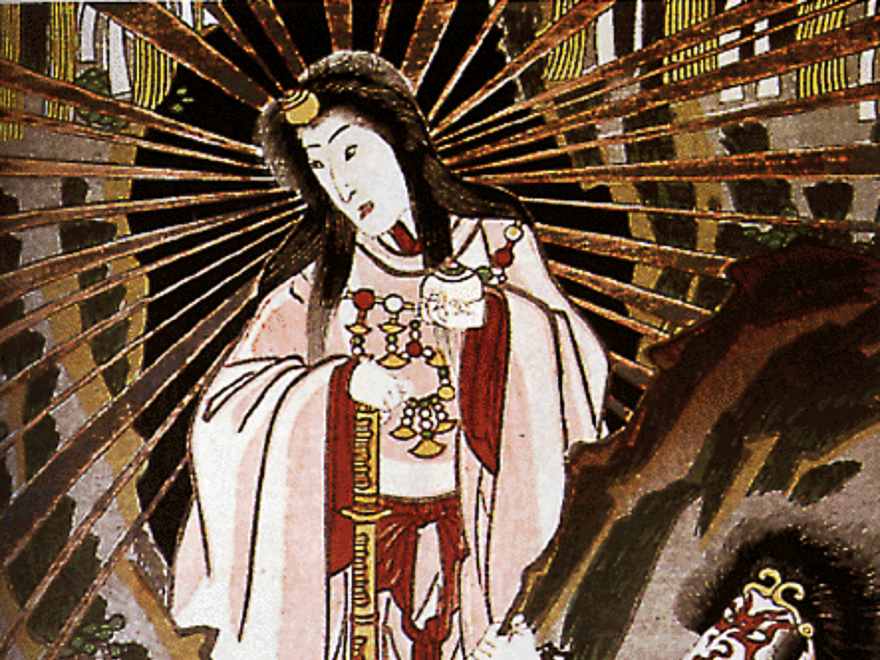
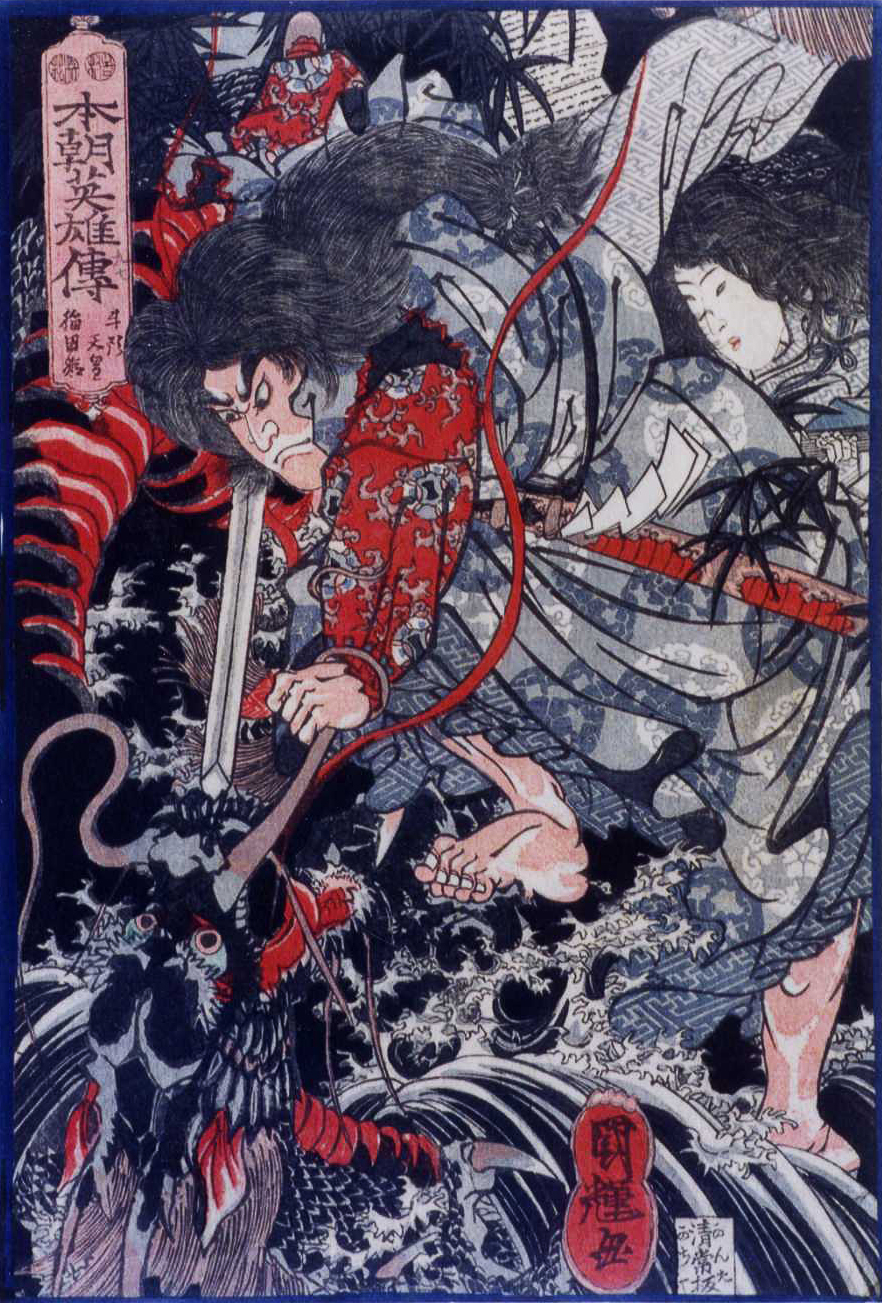
Many origin myths recorded in early chronicles locate the births and actions of principal deities in or emanating from Takamagahara. For example, key episodes about Amaterasu, Susanoo, and other ancestral kami are framed in relation to the celestial plain. In Shinto practice a deity of Takamagahara is ritually invited to descend and be present in a shrine: worshippers use sacred objects and ceremonies to call a kami into a shintai or the shrine space itself (worship).
Characteristics and symbols
- Takamagahara is associated with light, authority, and ancestral sovereignty.
- Its connection to earth is mediated by the Floating Bridge and by divine envoys or messengers.
- Sacred mirrors, jewel beads, and ritual dance are among the symbols and practices that link the realm to worship at shrines.
Historical and cultural significance
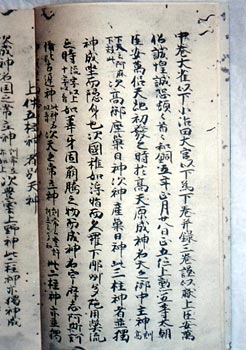
References to Takamagahara appear in the Kojiki and Nihon Shoki and have informed Japanese notions of sacred space, legitimacy, and origin. Interpretations have changed over time: some treat it as a foundational myth used to justify imperial lineage, others as a living element of Shinto devotional imagination. Academic and popular treatments continue to explore its meanings in literature, ritual, and art (Shinto traditions).
Notable distinctions
While Takamagahara is the dwelling of the kami, the precise relationship between heavenly residence and shrine presence is flexible. Shrines function as points of contact where deities from Takamagahara may be temporarily or permanently enshrined. Scholarly discussions often contrast Takamagahara with other cosmological locations and examine how regional beliefs adapted the idea over centuries (translations and interpretations, etymology notes). For further reading on ritual practice and mythic narratives see resources on classical texts and contemporary studies (mythology, bridges and passages, worship practices).
Related articles
Author
AlegsaOnline.com Takamagahara — the High Plain of Heaven in Shinto mythology Leandro Alegsa
URL: https://en.alegsaonline.com/art/95985
Sources
- pantheon.org : "Takamagahara"