
Tanuki: the Japanese raccoon dog and its folkloric role
Tanuki are East Asian canids (raccoon dogs) and prominent figures in Japanese folklore, remembered as shapeshifters, tricksters, and symbols of prosperity in stories, art, and popular culture.
Overview
The word tanuki refers to the East Asian species commonly called the raccoon dog. In Japanese language and culture, tanuki occupy a dual identity: a real animal with distinctive appearance and behaviour, and a lively character in traditional folktales. The biological and mythic tanuki are related but separate concepts that have influenced rural life, art, and popular media.
Image gallery
6 Images



Biological characteristics
As animals, raccoon dogs are small canids with a masked face that resembles a raccoon, which explains the common name. They are omnivorous, feeding on a mix of small animals, insects, fruit and vegetation, and are primarily nocturnal. Unlike many other canids, raccoon dogs are known for their dense fur and ability to tolerate cold climates; they may show reduced activity in winter. They reproduce seasonally and often form monogamous pairs.
Folklore and cultural roles
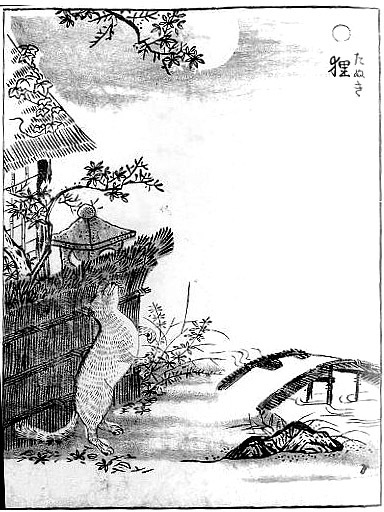
In Japanese folklore the tanuki is portrayed as a supernatural trickster and shapeshifter, sometimes more cunning than the fox (kitsune) and often more playful than dangerous. Stories emphasize transformation, illusions, and humour: a tanuki might disguise itself as a human or an object, and popular images show it with a leaf on its head used for magical disguise. Statues of a jovial tanuki holding a sake bottle and wearing a straw hat are common outside restaurants and shops as symbols of good fortune and welcome.
History and modern significance
Tales of the tanuki have existed for centuries and were prominent in the Edo period theatrical and pictorial traditions. In modern times the tanuki appears in literature, cartoons, films, and tourism iconography, where it often represents abundance, merriment, and harmless mischief. The figure can carry both humorous and moral themes, teaching about gullibility, generosity, or the limits of deception.
Notable distinctions and facts
- Biological tanuki are distinct species (raccoon dogs) within the canid family; folkloric tanuki are mythological beings with magical powers.
- Raccoon dogs were historically hunted and farmed for fur in several regions and have been introduced outside their native range, with some populations becoming established abroad.
- Conservation assessments treat the animal and the cultural figure separately: the species' status is evaluated by wildlife authorities, while cultural use continues in art and commerce.
Why tanuki matter
Tanuki illustrate how a real species can be transformed into a rich symbolic presence. They bridge natural history and human imagination, showing how animals become emblematic in religion, folklore, and everyday life. Whether encountered as a shy, nocturnal canid in the countryside or as a smiling statue by a restaurant door, the tanuki remains a recognizable and enduring element of East Asian culture.
Related articles
Author
AlegsaOnline.com Tanuki: the Japanese raccoon dog and its folkloric role Leandro Alegsa
URL: https://en.alegsaonline.com/art/96317