
1389 — Year of the Battle of Kosovo and its aftermath
1389 (MCCCLXXXIX) is best known for the Battle of Kosovo, fought on 28 June between Serbian forces and the Ottoman Empire; its political and cultural consequences shaped Balkan history.
1389 (MCCCLXXXIX) is remembered chiefly for the Battle of Kosovo and for the long cultural aftereffects that followed. The year falls in the late medieval period of accelerating Ottoman expansion into southeastern Europe and within a Europe already affected by dynastic struggles and ecclesiastical division.
Image gallery
2 Images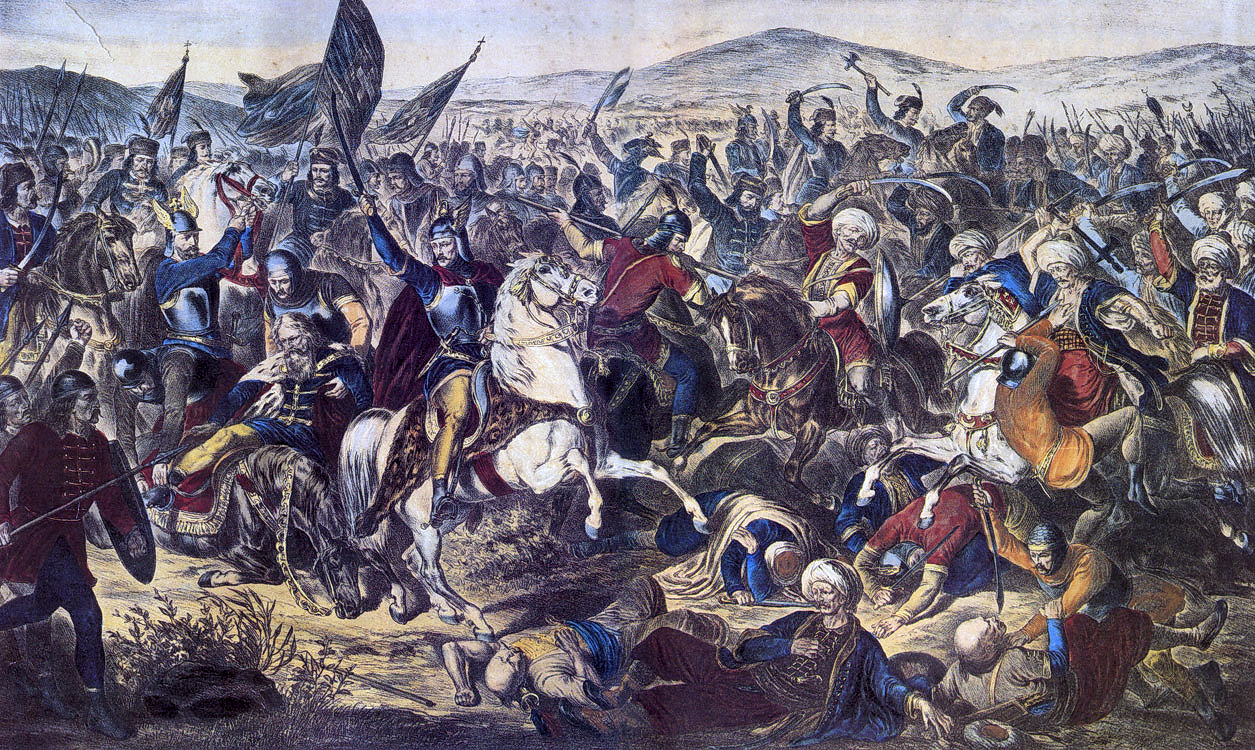

Battle of Kosovo and immediate outcomes
On 28 June 1389 opposing armies met on the Kosovo plain. Forces led by the Serbian ruler Prince Lazar Hrebeljanović confronted an Ottoman army under Sultan Murad I. Contemporary accounts record heavy losses and the deaths of the two commanders; later traditions attribute Murad’s death to a Serbian knight, often named Miloš Obilić, but historians treat specific details with caution. The clash did not produce an immediate, total collapse of Ottoman forces in the region, yet it significantly weakened Serbian political independence and altered the balance of power in the central Balkans.
Aftermath and political consequences
In the decades after 1389, many South Slavic polities saw diminished autonomy and increasing Ottoman influence. Murad’s successor, Bayezid I, consolidated Ottoman authority in the region, and successive campaigns and treaties brought further principalities into vassalage or direct control. The battle thus forms part of a larger pattern of Ottoman penetration into Europe that continued through the fifteenth century.
Cultural and religious legacy
The Battle of Kosovo entered Serbian epic poetry, liturgical commemoration and national memory, often represented as a sacrifice or martyrdom. The date of the battle, celebrated in some traditions as Vidovdan (St. Vitus Day), acquired symbolic importance well beyond its immediate military consequences and influenced literature, ritual and historical self-understanding across the Balkans.
Other notes
- 1389 is the year in the Anno Domini calendar. Its Roman numeral form is MCCCLXXXIX.
- As an integer, 1389 = 3 × 463; its positive divisors are 1, 3, 463 and 1389.
While a single year among many in the late Middle Ages, 1389 occupies an outsized place in regional history because one engagement came to symbolize wider processes of conquest, resistance and cultural remembrance that unfolded over subsequent centuries.
Related articles
Author
AlegsaOnline.com 1389 — Year of the Battle of Kosovo and its aftermath Leandro Alegsa
URL: https://en.alegsaonline.com/art/111312