
Táchira (Venezuelan state)
Táchira is a mountainous state in western Venezuela, bordering Colombia. Known for Andean landscapes, agricultural production, cross-border commerce and the city of San Cristóbal.
Táchira (Spanish: Estado Táchira) is one of the 23 federative units of Venezuela. Located in the western Andes, it has a varied relief of valleys, high plateaus and páramo ecosystems. The state capital is San Cristóbal, the region's principal commercial, cultural and transport hub. Táchira's border along Colombia makes it a focal point for formal and informal cross-border exchange.
Image gallery
10 Images






Geography and climate
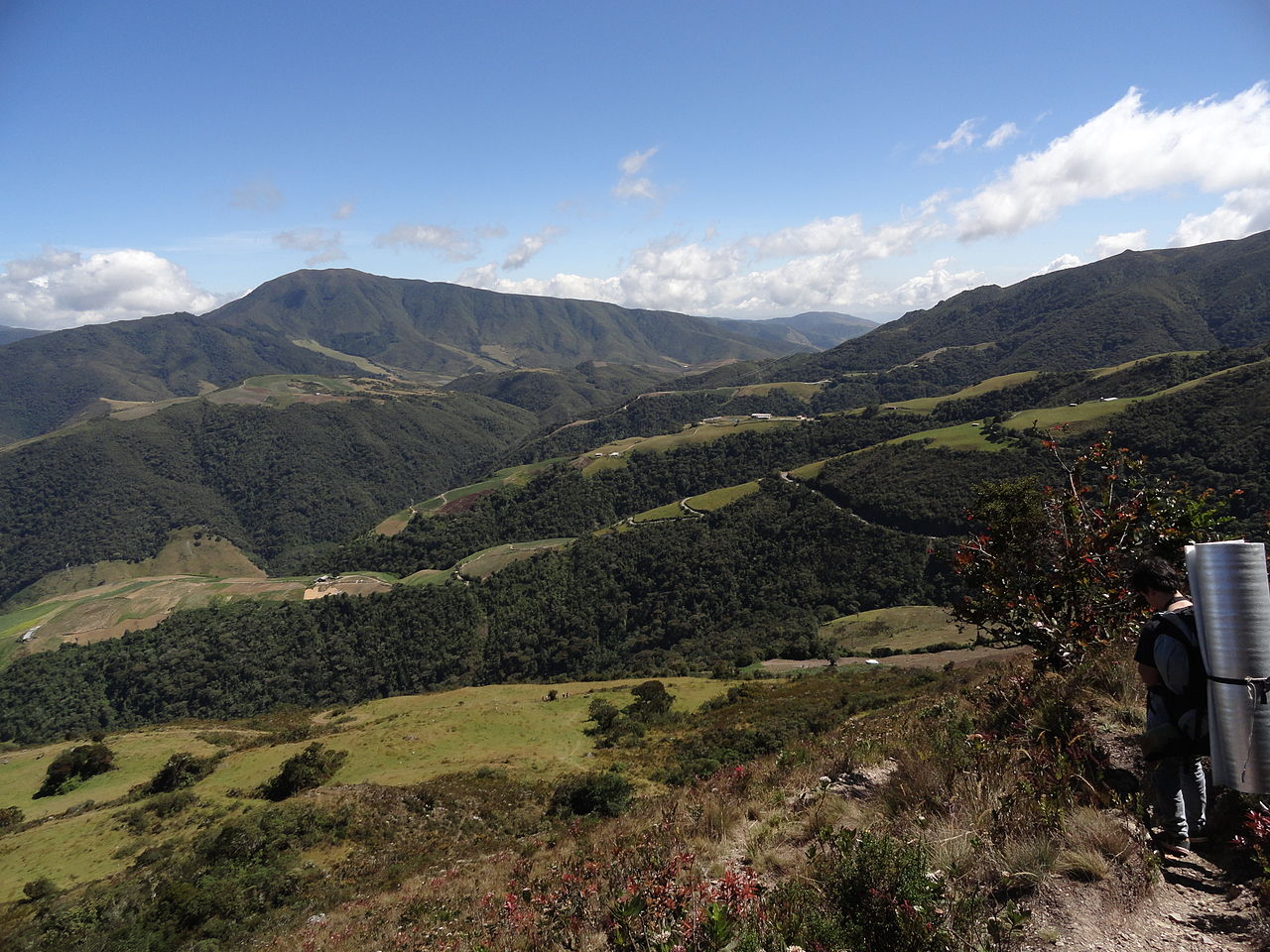
Táchira occupies part of the Venezuelan Andes (Cordillera de Mérida). Elevation ranges create distinct climates: warm valley floors suitable for crops, temperate slopes where towns concentrate, and cold páramo at the highest altitudes. Mountain rivers and cloud forests influence local hydrology and biodiversity, and several protected areas preserve Andean flora and fauna.
Economy and transport
Agriculture, livestock and commerce are central to the economy. Andean crops such as coffee, vegetables and tubers are cultivated alongside trout farming in highland streams. The state's position on the frontier encourages trade with Colombia and sustains a lively market network in border towns. Road connections — including international highways that link with Colombia — are vital for passengers and freight.
Culture, sports and festivals
Táchira displays a distinct Andean culture expressed in music, cuisine and celebrations. San Cristóbal hosts the annual Feria Internacional de San Sebastián, a major cultural and commercial fair. Football is popular: Deportivo Táchira is a leading Venezuelan club based in San Cristóbal and commands broad local support.
History and notable features
Historically, the region was influential during Venezuela's 19th- and 20th-century political events and has been the birthplace of several national figures. Its strategic frontier location has shaped migration trends and political relations with neighboring Colombia.
Administrative divisions and points of interest
- Capital: San Cristóbal — administrative, cultural and transport center.
- Border crossings and towns that connect to Colombia and regional markets.
- Andean highlands and páramo landscapes valued for biodiversity and ecotourism.
- Local gastronomy and artisanal products tied to highland farming traditions.
Táchira combines mountainous scenery, productive valleys and a long-standing role as a gateway between Venezuela and Colombia, making it geopolitically significant and culturally distinctive among the country's states: see also the list of states of Venezuela for context (states).
Related articles
Author
AlegsaOnline.com Táchira (Venezuelan state) Leandro Alegsa
URL: https://en.alegsaonline.com/art/95825