
Tarnish: formation, types, effects and prevention
Tarnish is a thin, often discolored film formed on certain metals by chemical reactions with air or pollutants. This article explains how tarnish forms, common types, its uses and how it differs from rust.
Overview
Tarnish is a surface film that develops on many non‑ferrous metals when they react with gases or chemicals in their surroundings. Unlike heavy corrosion that destroys metal, tarnish is usually a thin, adherent layer that dulls or changes the color of the metal. Commonly affected metals include silver, copper, brass and to a different extent aluminum.
Image gallery
2 Images
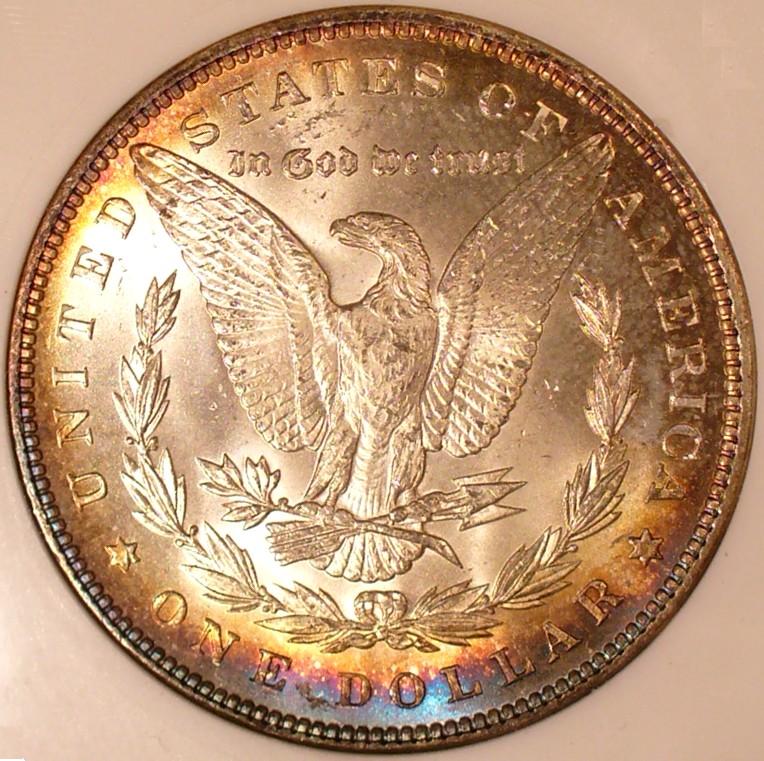
How tarnish forms and what it looks like
Chemically, tarnish is the result of oxidation or reaction with sulfur‑containing compounds, chlorides and other airborne pollutants. On silver the dark coating is principally silver sulfide; on copper and its alloys a range of oxides, carbonates and sulfates can form, producing brown, red or green patinas (verdigris). Aluminum rapidly forms a thin oxide that is often protective and appears as a dull, matte film.
Causes and common environments
Tarnishing occurs wherever reactive metal surfaces meet reactive chemicals. Frequent contributors include:
- oxygen and moisture in air
- sulfurous gases such as hydrogen sulfide from industrial or natural sources
- acids, salts or oils from handling and storage
- sea air with chlorides and pollutants
Indoor items can tarnish from humidity, pollution and skin oils, while outdoor objects develop different surface products that may be protective.
Historical and practical significance
People have long noticed and sometimes exploited tarnish and patina. In art and architecture, intentional patination is used to achieve specific colors and textures on bronze and copper. In everyday contexts, however, tarnish is usually undesirable because it conceals finish details and reduces shine on jewelry, silverware and decorative objects.
Prevention and removal
Preventive measures focus on limiting contact with tarnishing agents: keep items dry, store them in sealed containers with desiccants or anti‑tarnish strips, apply protective lacquers or waxes, and avoid touching with bare hands. Removal methods vary by metal and severity and range from gentle polishing with cloths and approved cleaners to chemical dips or electrochemical treatments performed by professionals. Care is needed: abrasive cleaning can remove surface detail or intentional patina.
Distinctions and further reading
Tarnish should be distinguished from rust. Rust refers specifically to the flaky iron oxide that forms on iron and steel and tends to weaken the metal, while tarnish is generally a thinner film on other metals and can sometimes be protective. For a broader discussion of metal surface reactions see corrosion overview, a comparison with rust, and basic chemistry of oxidants like oxygen.
Questions and answers
Q: What is tarnish?
A: Tarnish is a layer of corrosion similar to rust.
Q: What causes tarnish?
A: Tarnish is caused by oxidisation - when semi-reactive metals such as copper, brass, silver, aluminum meet chemicals in the air.
Q: How does tarnish affect metal?
A: Tarnish will cause the metal to darken or go dull by making a thin film on the metal.
Q: What chemical reaction causes tarnish?
A: Tarnish is caused by a chemical reaction between a metal and a non-metal (or compound), usually oxygen or sulphur dioxide.
Q: Which types of metals are prone to tarnishing?
A: Semi-reactive metals such as copper, brass, silver, and aluminum are prone to tarnishing.
Q: Can tarnish be prevented?
A: Tarnish can be prevented by keeping the metal away from chemicals in the air, by storing it in a dry and clean environment, or by regularly cleaning it.
Q: Is tarnish harmful to metal?
A: Tarnish itself is not necessarily harmful to metal, but it can eventually lead to corrosion if left unchecked.
Related articles
Author
AlegsaOnline.com Tarnish: formation, types, effects and prevention Leandro Alegsa
URL: https://en.alegsaonline.com/art/96411