
Symmetry in Biology
Overview of how symmetry appears in living organisms: types, development, functions, examples, and notable exceptions including asymmetry and approximate symmetry.
Overview
In biology, symmetry describes the regular arrangement of body structures around an axis or a plane. It is a feature of many multicellular body plans and influences form, movement, and physiology. Biological symmetry is usually approximate rather than perfect: small differences between left and right sides or repeated parts are common in nature.
Image gallery
10 Images





Common patterns and characteristics
Biologists categorize organismal shapes by several basic symmetry types. Each pattern affects how an animal or plant interacts with the environment and develops during growth:
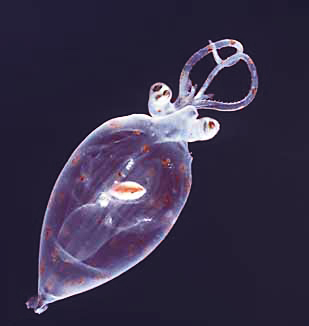
- Bilateral symmetry: a single plane divides the body into mirror-image left and right halves; typical of many animals such as insects, fish, birds, and mammals.
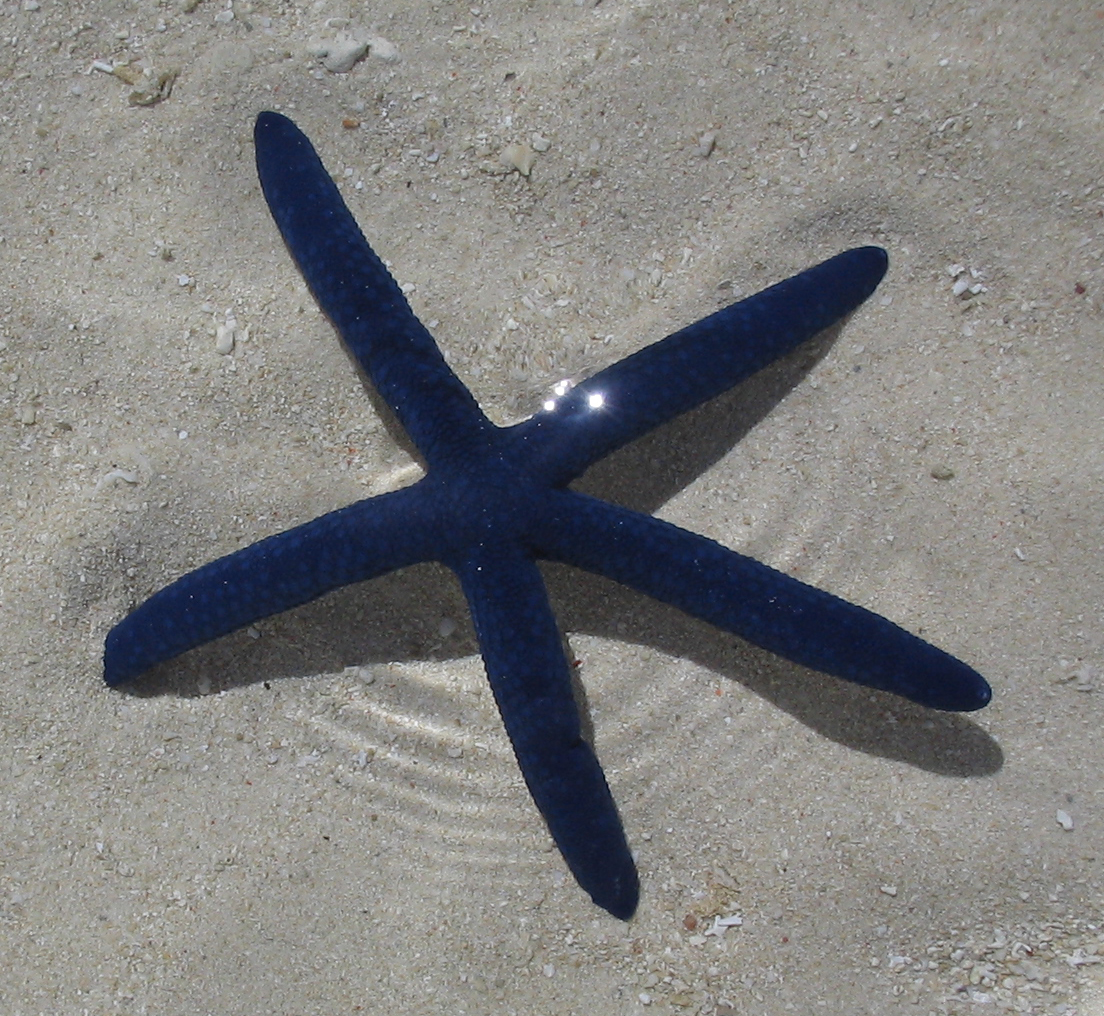
- Radial symmetry: body parts arranged around a central axis, as in jellyfish and sea anemones; often associated with sessile or drifting lifestyles.
- Spherical symmetry: body can be divided into equivalent halves by any plane through the center; rare, mostly theoretical in large organisms but seen in some microscopic forms.
- Asymmetry: absence of regular symmetry, as in many sponges and some plant parts.
Development and evolution
Symmetry emerges early in embryonic development through gene expression gradients, cell polarization, and tissue folding. Evolutionary shifts between symmetry types have occurred repeatedly: for example, bilateral symmetry evolved from radially symmetric ancestors in many animal lineages. Genetic pathways controlling left–right patterning can be conserved across diverse groups, while ecological pressures often shape which symmetry is favored.
Functions, examples, and importance
Symmetry relates to locomotion, sensory organization, and feeding strategies. Bilateral animals typically have a defined head and tail (cephalization), enabling directed movement and concentrated sense organs. Radial animals can interact with the environment from all directions. Plants show symmetry in leaves and flowers, which can affect pollination and light capture. Practical examples include the mirror-image wings of butterflies, the radial tentacles of cnidarians, and the asymmetric shells of some snails.
Exceptions, measurement, and notable facts
Real organisms often deviate from ideal symmetry. Fluctuating asymmetry—small random deviations between sides—can indicate environmental stress or developmental instability. Some species present directional asymmetry where one side consistently differs from the other (for example, the enlarged claw of certain crustaceans). Researchers quantify symmetry using morphological landmarks, imaging, and statistical shape analysis to study growth, health, and evolution. For more discussion of the concept of symmetry and its study in biology, see resources and reviews linked to foundational literature.
Related articles
Author
AlegsaOnline.com Symmetry in Biology Leandro Alegsa
URL: https://en.alegsaonline.com/art/95630