
Systema Naturae: Linnaeus's Classification of Plants, Animals and Minerals
Systema Naturae is Carl (Carolus) Linnaeus's foundational work that organized known living organisms and minerals into a consistent hierarchical system and introduced binomial names for species.
Overview
Systema Naturae is the principal work by Carl Linnaeus that established a systematic framework for naming and arranging the known world of natural history. In it Linnaeus listed and organized the then-known species of living organisms and minerals into clear groups. The book presented a concise method for identifying organisms by a two-part name (genus and species), which made communication about organisms more precise and repeatable.
Image gallery
6 Images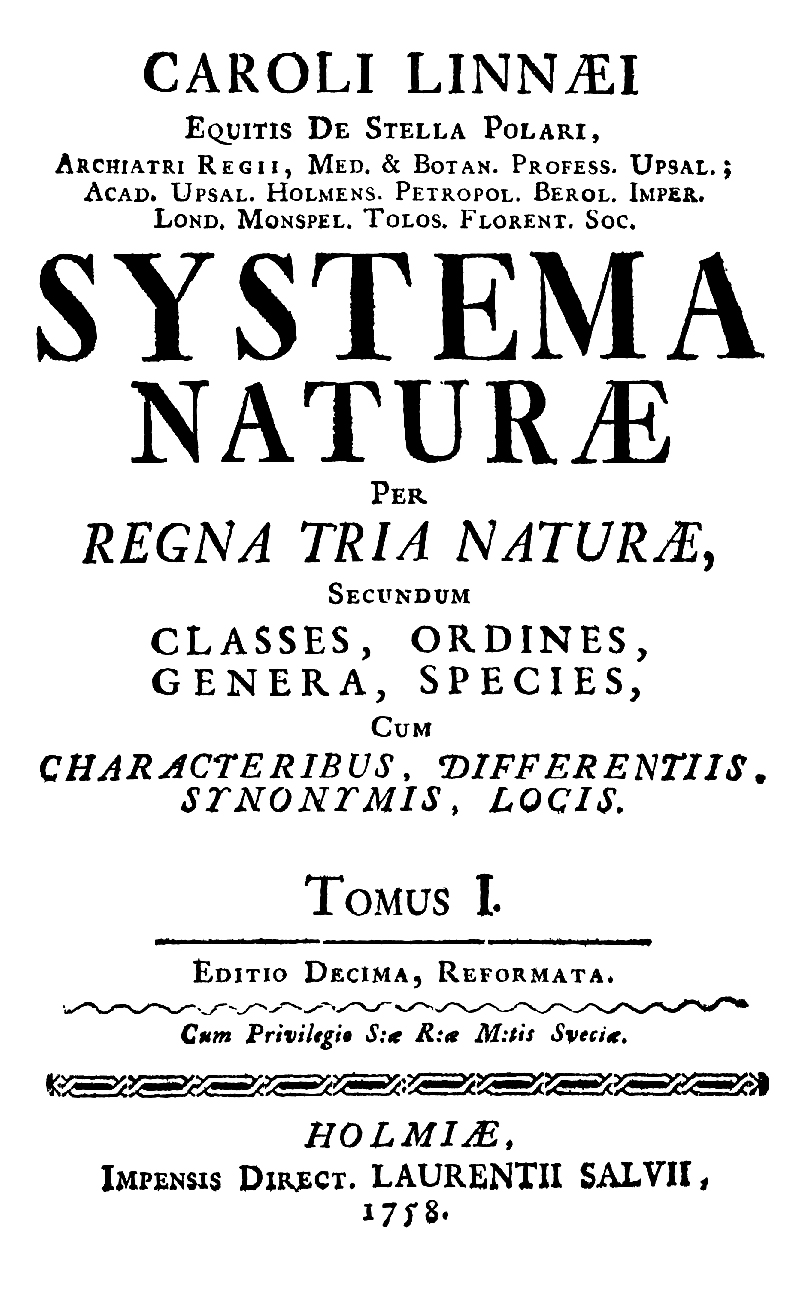




Structure and key features
The work divided nature into broad kingdoms and then into progressively smaller categories such as classes, orders, genera and species. Linnaeus treated plants, animals and minerals as distinct realms and provided diagnostic characters for many taxa. His practical innovations included the binomial nomenclature and a consistent hierarchical arrangement that later biologists refined. For a sense of the original physical format see references to the first small folio edition.
History and editions
The first printing of Systema Naturae was brief and later editions were expanded repeatedly as new information became available. Over successive editions Linnaeus enlarged species lists and adjusted classifications; the work grew from a compact release into a much larger reference. It aimed to catalogue the known species of its day across plants, animals and minerals and to supply a consistent naming system for naturalists to follow. Early readers consulted it for descriptions of plants, references to animals, and notes on minerals.
Impact, uses and legacy
Systema Naturae laid the groundwork for modern biological nomenclature and classification. Its binomial names remain the basis of scientific naming, and its hierarchical concepts persist in taxonomy and biodiversity studies. Although many of Linnaeus's groupings have been revised in light of evolutionary theory and molecular data, his emphasis on stability, clarity and universal names made large-scale cataloging of life feasible and enduring.
- Introduced systematic binomials for species
- Organized nature into hierarchical categories
- Served as a reference for naturalists and collectors
Related articles
Author
AlegsaOnline.com Systema Naturae: Linnaeus's Classification of Plants, Animals and Minerals Leandro Alegsa
URL: https://en.alegsaonline.com/art/95728