
Sylhet Division — geography, history, culture and economy
Sylhet Division is the northeastern region of Bangladesh known for tea gardens, wetlands, Sufi heritage and cross‑border links with India; it comprises four districts centered on Sylhet city.
Overview
Sylhet Division is a northeastern division of Bangladesh, named for its principal city, Sylhet. The region is noted for hilly terrain, extensive tea estates, seasonally flooded wetlands (haors) and a distinct local variety of Bengali often called Sylheti. Sylhet city functions as the cultural and administrative hub for the division.
Image gallery
10 Images






Geography and environment
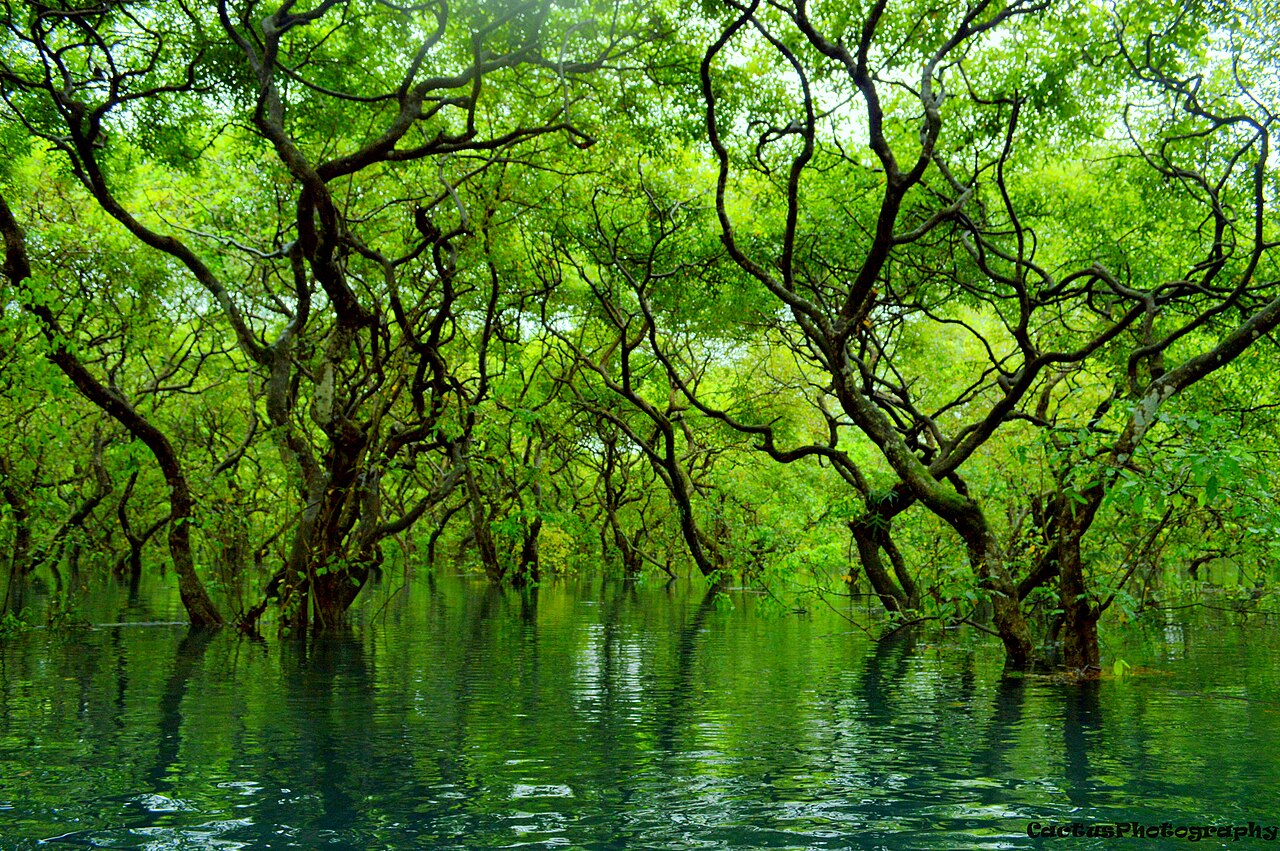
The division occupies the northeastern corner of the country and is bordered by Indian states on three sides: Meghalaya to the north, Assam to the east and Tripura to the south; the international border with India shapes many local connections. To the west Sylhet adjoins Bangladesh's Dhaka and Chittagong divisions. The area combines lowland floodplains, riverine systems such as the Surma and Kushiyara, and forested hills; its monsoon climate drives a pronounced wet season important to agriculture and freshwater habitats.
Administration and population
Sylhet Division is divided into several districts including Sylhet, Moulvibazar, Habiganj and Sunamganj, with smaller administrative units beneath them. Urban centers and rural villages coexist with tea estates and wetland communities. The population speaks Bengali and the local Sylheti dialect; the region also maintains vibrant migratory links with overseas diasporas.
History and cultural identity
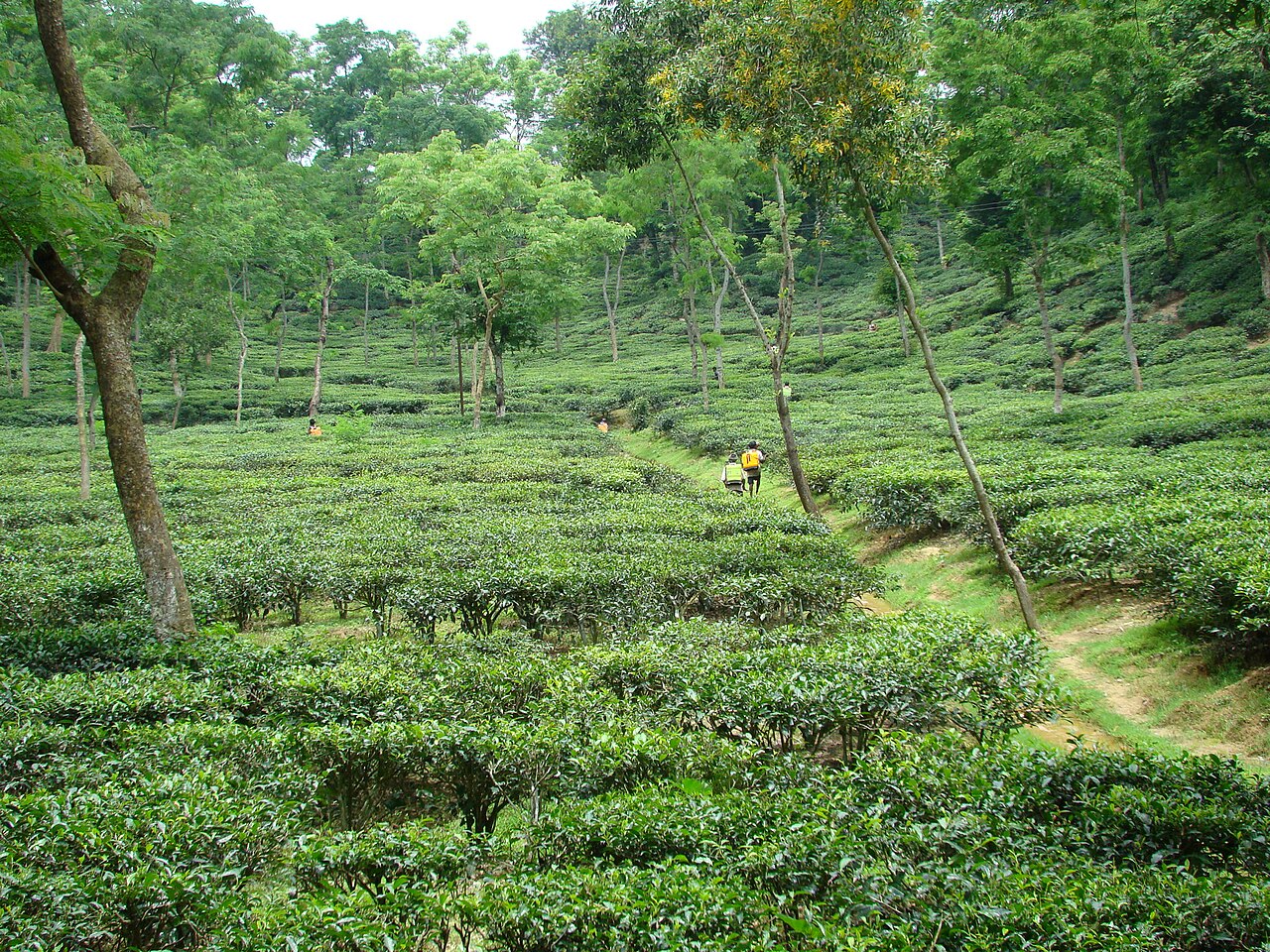
Sylhet's history reflects medieval trade routes, the influence of Sufi saints and later changes under Mughal and British colonial administration. British-era investments led to the development of large tea plantations that remain central to the region's identity. Religious shrines, classical forms of music and distinct culinary traditions contribute to Sylhet's cultural profile.
Economy, tourism and notable sites
The economy blends tea production, rice cultivation, fishing in haors, forestry and sizable remittances from migrants. Popular tourist attractions include tea gardens around Srimangal, wetland and birding areas, riverine landscapes and historic shrines. Typical points of interest are often presented in visitor guides and local tourism materials.
Borders, contemporary issues and notable facts
Because of its international boundaries, Sylhet has long been shaped by cross-border trade and movement. In contemporary discussions some sources refer cautiously to local claims or sensitivities over border localities such as Karimganj Thana; such matters are tied to national boundary arrangements and historical disputes that have been addressed through bilateral negotiations. For more context see regional summaries and official sources provided by relevant authorities.
- Key features: tea estates, haors (flooded wetlands), Surma-Kushiyara river system.
- Cultural points: Sufi heritage, Sylheti language/dialect, diasporic connections.
- Border neighbors include Meghalaya, Assam, Tripura and the larger state of India.
For further reading, official and regional overviews can be consulted through administrative and tourism pages linked by regional authorities and encyclopedic summaries. See also local maps and travel resources for site-specific information.
Related articles
Author
AlegsaOnline.com Sylhet Division — geography, history, culture and economy Leandro Alegsa
URL: https://en.alegsaonline.com/art/95600
Sources
- gloriousindia.com : Karimganj - District in [Assam]], India
- banglapedia.org : Sylhet Referendum, 1947
- sylhettimes.co.uk : "Did you know? - Sylhet"