
Szczecin Lagoon — Oder River estuary between Poland and Germany
Szczecin Lagoon (Oder River estuary) is a shallow Baltic basin on the Poland–Germany border, separated by Usedom and Wolin islands. It supports ports, fisheries, tourism and important cross-border wetlands and bird habitats.
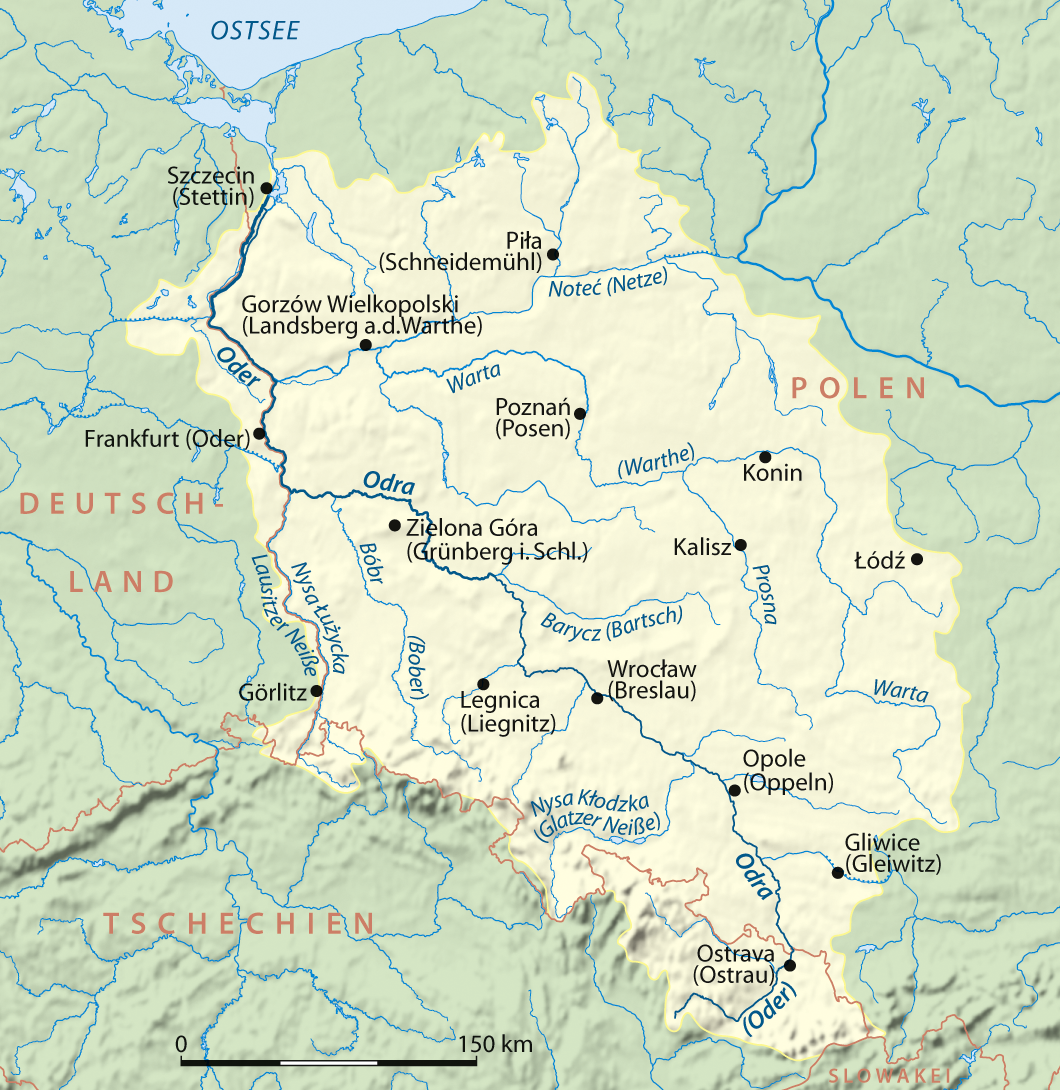
The Szczecin Lagoon (Polish: Zalew Szczeciński; German: Stettiner Haff), also called the Lagoon of the Oder River, is a shallow inland basin on the southwestern edge of the Baltic Sea. It lies along the border between Germany and Poland and forms part of the Oder estuary system.
Image gallery
8 Images



Geography and connections
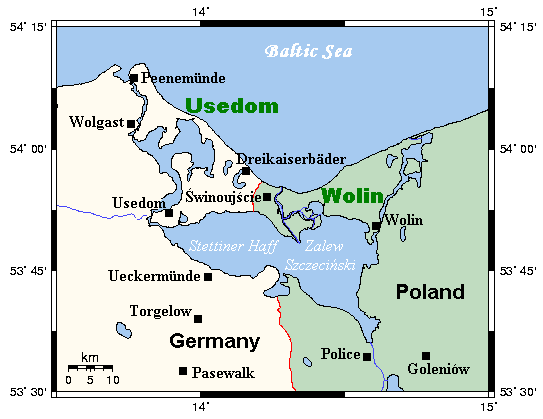
The lagoon is separated from the open sea by the islands of Usedom and Wolin and links to the Baltic through several channels. Fresh water from the Oder mixes with brackish sea water, producing varied salinity across the basin. The shoreline is irregular, with shallow flats, reed beds and a number of small inlets that support a diverse set of habitats.
Settlements and uses
Ports, fishing villages and seaside towns line the lagoon. It supports commercial and recreational fisheries, local shipping, and tourism. Notable towns on or near the lagoon include:
- Świnoujście — an important ferry and port town located at one of the sea channels;
- Ueckermünde — a historic German town on the lagoon shore;
- Wolin (town) — situated on the island of Wolin, with access to lagoon waters;
- Nowe Warpno — a small Polish harbour town on a peninsula projecting into the lagoon.
Environment and management
Because the lagoon is shared by two countries, cross-border cooperation is required for navigation, fisheries management and water quality measures. The mosaics of wetlands and shallow zones around the lagoon are important for migratory birds and local biodiversity, and many areas are subject to nature-protection measures and careful development planning.
Related articles
Author
AlegsaOnline.com Szczecin Lagoon — Oder River estuary between Poland and Germany Leandro Alegsa
URL: https://en.alegsaonline.com/art/95738