
Dhaka Division (Bangladesh)
Administrative division in central Bangladesh centered on Dhaka city; covers about 31,120 km², includes dense metropolitan and rural districts, and plays a central economic, political and cultural role.
Dhaka Division is one of the major administrative divisions of Bangladesh, centred on the national capital, Dhaka. The division covers roughly 31,119.97 square kilometres and contains a very large population (commonly cited near 38.7 million). It combines the densely urbanised capital and surrounding metropolitan area with extensive agricultural plains, riverine islands (chars) and smaller towns. As the seat of government and a primary economic hub, the division has outsized influence on the country’s politics, finance and culture.
Image gallery
10 Images


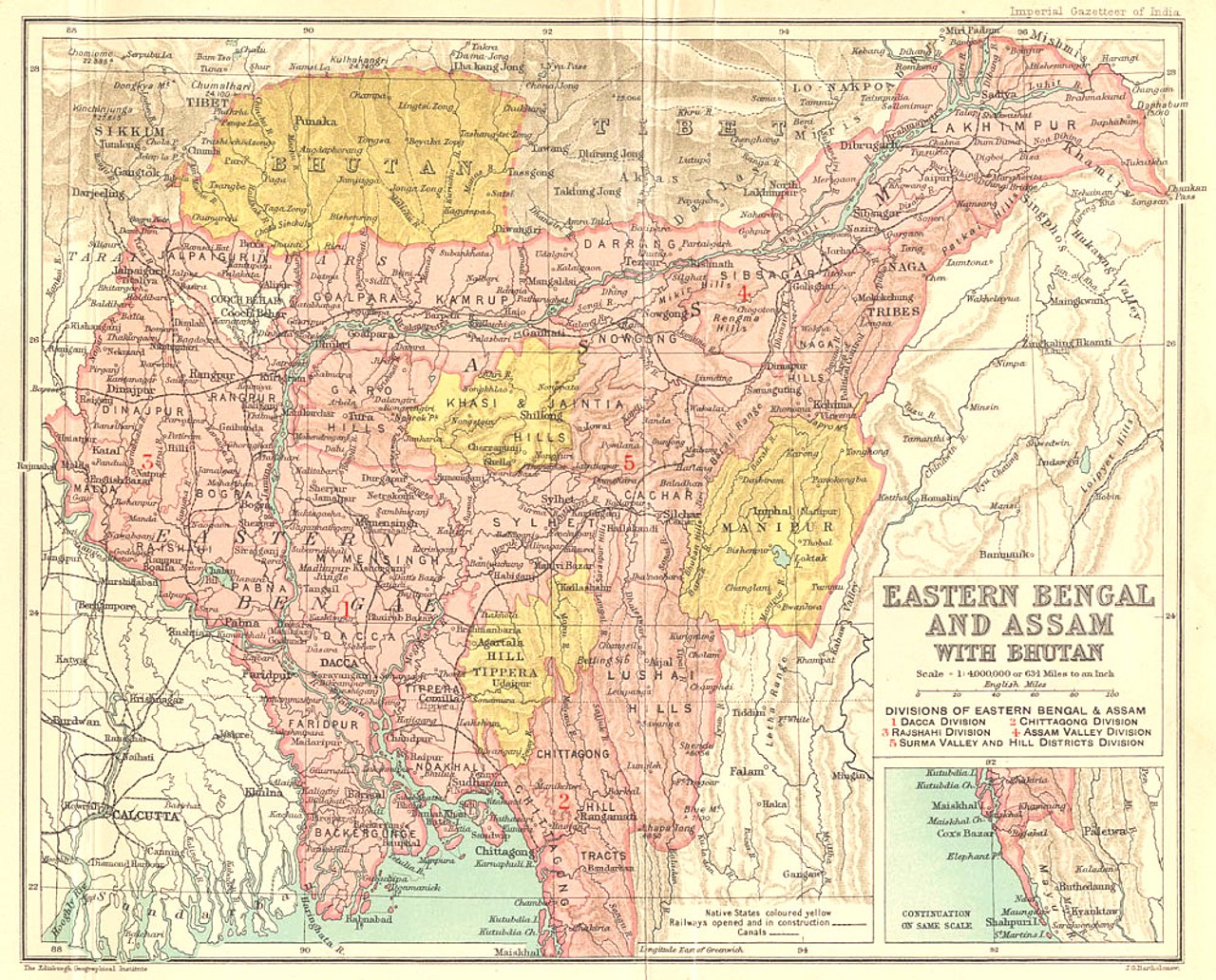


Geography and boundaries
Located near the middle of the country, Dhaka Division adjoins both domestic divisions and an international border. To the north it meets India and the Indian state of Meghalaya. Within Bangladesh it borders several other administrative divisions and forms a transitional zone between coastal and inland landscapes.
- Barisal Division to the south
- Chittagong Division to the southeast
- Sylhet Division to the east
- Rajshahi Division to the west
- Khulna Division to the southwest
Administration and population
The division is subdivided into districts and upazilas (sub-districts), with municipal corporations and rural local government bodies administering services. Population density varies widely: Dhaka city and its suburbs form one of the most crowded metropolitan regions in the world, while outlying districts include lower-density farming areas. Internal migration and urban expansion continue to shape demographics and planning priorities.
Economy and infrastructure
Economic activity spans agriculture, manufacturing, trade and services. The garment and textile industries, commerce, public administration and education concentrate in and around the capital, while rice, jute and other crops remain important in rural districts. The division is a transport nexus: major highways, railway lines and inland waterways converge on Dhaka, and the area contains the country’s principal international air gateway and freight links that support exports and domestic supply.
History, culture and challenges
Dhaka’s historical role extends from pre-colonial and Mughal periods through British rule to the modern era as the capital of independent Bangladesh. The division is a centre for Bengali language, literature, higher education and national institutions, hosting universities, cultural organisations and government ministries. Rapid urbanisation presents persistent challenges: traffic congestion, air and water pollution, housing shortages, pressure on utilities and vulnerability to seasonal flooding. Planning for resilient infrastructure, heritage conservation and balanced regional development remains a continuing policy focus.
Overview: Dhaka Division unites the national capital with surrounding districts, combining intense urban dynamism and important rural economies, and is central to Bangladesh’s governance, culture and economy.
Related articles
Author
AlegsaOnline.com Dhaka Division (Bangladesh) Leandro Alegsa
URL: https://en.alegsaonline.com/art/27027