
Switchgear: equipment for controlling, protecting and isolating electrical systems
Switchgear comprises the devices used to switch, protect and isolate electrical equipment across generation, transmission and distribution systems in industry and utilities.
Overview
Switchgear is the assembly of devices that manage the flow of electrical power and protect equipment from faults. It enables operators to switch circuits on or off, isolate energized parts for safe maintenance, and interrupt abnormal currents caused by short circuits or overloads. Found wherever electricity is generated, transformed or consumed, switchgear ranges from small panels in buildings to large enclosures in substations.
Image gallery
9 Images


Main components and characteristics
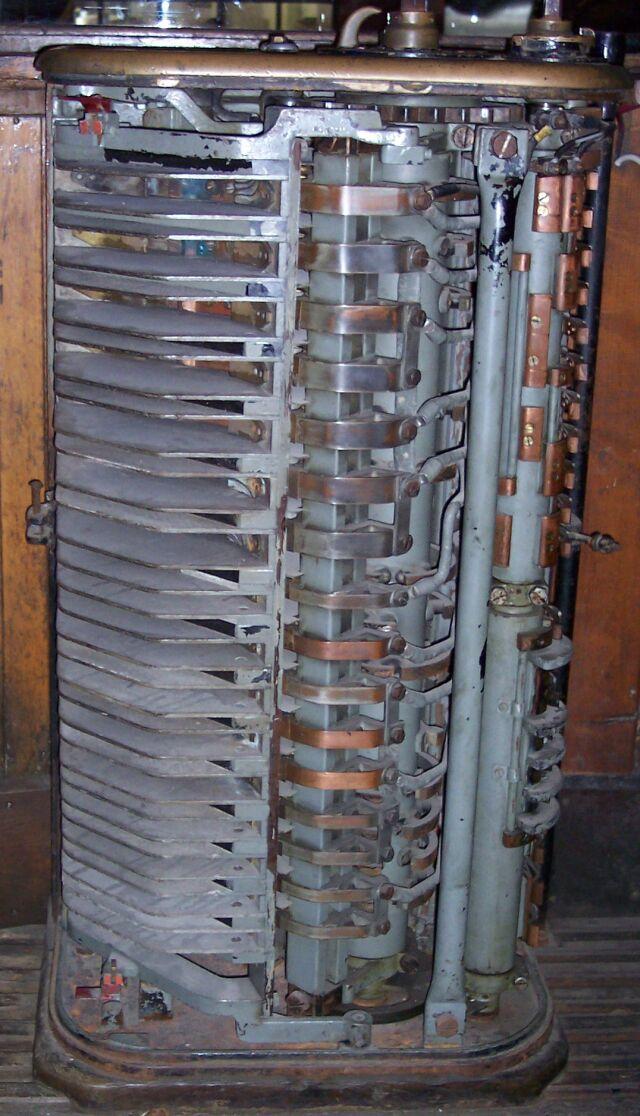
Typical elements inside a switchgear installation include disconnect switches, protective circuit breakers, fuses, relays, busbars and instrument transformers. The term also covers control devices and enclosures designed to contain and safely extinguish arcs. Individual items often have specific ratings for voltage, current and breaking capacity; engineers select combinations to match system requirements and ensure coordinated protection.
Types and construction
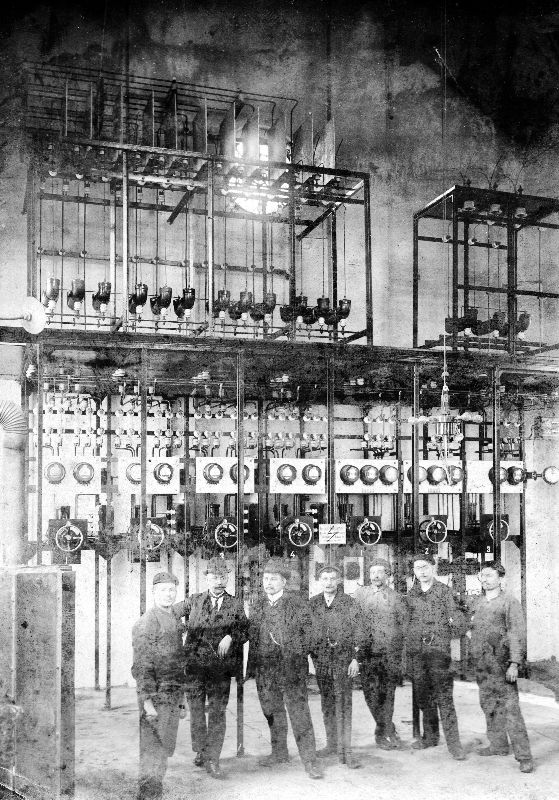
Switchgear can be classified by voltage level (low, medium, high) and by design: open racks, metal-enclosed, and gas-insulated (GIS) are common forms. Interrupter technologies include air, oil, vacuum and SF6 gas systems. For simple applications, manual switches and fused panels suffice; critical or high-voltage installations use motorized breakers with remote control and monitoring.
Functions and applications
The primary functions are control, protection and isolation. In power plants, substations and industrial plants, switchgear routes electricity, isolates faults and minimizes damage by clearing abnormal currents. It supports distribution networks, renewable integration, motor control centers, and emergency switching for maintenance or safety events.
History, standards and safety
Switchgear evolved from simple fuses and knife switches in the early electrical era to modern, enclosed systems with protective relays and digital controls. Today it is governed by national and international standards that address performance, testing and safe operation. Proper maintenance, testing and arc-flash mitigation are essential to reduce hazards to personnel and equipment.
Notable distinctions
While related to switchboards and panelboards, "switchgear" emphasizes protective and interrupting apparatus in addition to switching. Advances in smart monitoring and remote operation are making switchgear a key element in modern power system reliability and grid automation.
Related articles
Author
AlegsaOnline.com Switchgear: equipment for controlling, protecting and isolating electrical systems Leandro Alegsa
URL: https://en.alegsaonline.com/art/95555