
Systems engineering: principles, history, methods, and applications
Systems engineering studies the design, integration, and lifecycle management of complex technical and socio-technical systems, combining technical, organizational and human-centered disciplines.
Overview
Systems engineering is an interdisciplinary engineering field concerned with specifying, designing, integrating, verifying and managing complex systems over their entire life span. As a broad engineering approach, it focuses on how to bring together diverse technical elements and human activities so that the whole system meets stakeholder needs for function, cost, schedule and safety. It is commonly applied to large-scale or multi-domain projects where interactions among subsystems and organizations create risk and complexity.
Image gallery
6 Images
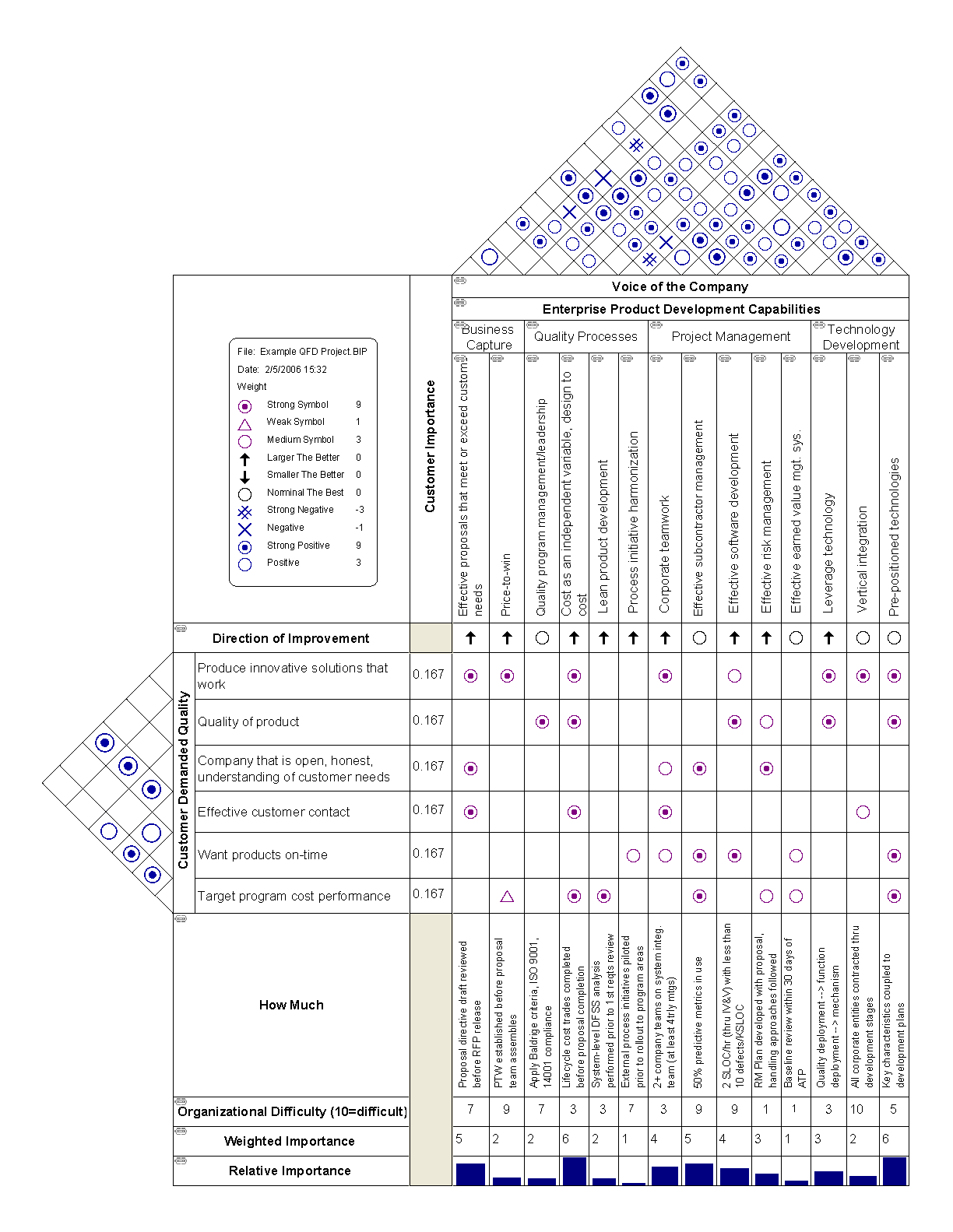


Core activities and characteristics
At its core, systems engineering emphasizes requirements engineering, architecture and design, integration, verification and validation, and lifecycle planning. The discipline addresses how a system should be designed to satisfy requirements, how it will be produced and maintained, and how it will be retired. Managing the full life cycle means considering logistics, maintainability and sustainment as early design drivers. Typical concerns include supply chains, reliability, health and safety, and human-system interaction.
History and development
Systems thinking emerged in the mid-20th century as engineers and managers confronted projects too complex for single-discipline solutions. Large aerospace, defense and infrastructure programs drove the formalization of methods that balance technical depth with cross-disciplinary coordination. Over decades, academic research and professional bodies have refined processes and created standards that capture best practices for lifecycle management and system integration.
Methods, tools and standards
Common methods include systems lifecycle models (such as V-models and iterative approaches), requirements management, trade-off analysis and model-based systems engineering (MBSE). Practitioners use simulation, formal modeling languages, configuration management and specialized tools to control complexity. These work-processes and tools are often supported by disciplines such as control engineering and industrial engineering, and coordinated with organizational practices and project management.
Applications and examples
Systems engineering applies to aerospace and automotive programs, telecommunications networks, healthcare systems, energy grids and large software-intensive systems. It is essential where multiple teams, complex logistics and automated control interact — for example when coordinating suppliers, integrating mechanical and electronic subsystems, and validating performance under operational constraints. Effective systems engineering reduces risk, improves interoperability and shortens time-to-deploy for complex initiatives.
Challenges and distinctions
Key challenges include aligning stakeholders, handling emergent behavior that arises from interactions, and bridging technical and social aspects of systems. Systems engineering differs from narrowly focused disciplines by emphasizing synthesis and lifecycle perspective rather than isolated component optimization. Successful practice combines analytical techniques with communication, organizational design and governance to deliver systems that meet human and technical requirements.
- Related topics: logistics and sustainment (logistics), team coordination (coordination of teams).
Questions and answers
Q: What is systems engineering?
A: Systems engineering is a field of engineering that deals with complex engineering projects which should be designed and managed over the life cycle of the project.
Q: What are the issues systems engineering deals with?
A: Systems engineering deals with issues such as logistics, coordination of different teams, and automatic control of machinery, which become really complicated in complex engineering projects.
Q: What disciplines does systems engineering apply?
A: Systems engineering applies both technical and human-centered disciplines such as control engineering, industrial engineering, organizational studies, and project management.
Q: What is the aim of systems engineering?
A: The aim of systems engineering is to develop work-processes and tools to handle complex engineering projects and manage them over their life cycle.
Q: What are the challenges of systems engineering?
A: The challenges of systems engineering include managing logistics, coordinating different teams with different expertise, and dealing with the automatic control of machinery.
Q: How does systems engineering apply industrial engineering?
A: Systems engineering applies industrial engineering to design and optimize complex systems, processes, and organizations, and to manage their resources efficiently.
Q: How does systems engineering apply project management?
A: Systems engineering applies project management to plan, organize, execute, and control complex engineering projects, and to deal with their risks, budgets, schedules, and stakeholders.
Related articles
Author
AlegsaOnline.com Systems engineering: principles, history, methods, and applications Leandro Alegsa
URL: https://en.alegsaonline.com/art/95731