
Synthetic fuel (synfuel): production, uses, history, and environmental issues
Synthetic fuels are liquid or gaseous fuels manufactured from coal, gas, biomass, or captured carbon and hydrogen. This article explains production routes, uses, history, and key environmental considerations.
Overview
Synthetic fuel, often called synfuel, refers to liquid or gaseous fuels produced by chemical conversion of solid or gaseous feedstocks rather than pumped directly from conventional crude oil. Synfuels include products made from coal, natural gas, biomass, oil shale, tar sands, or from hydrogen combined with captured carbon dioxide. They are designed to be drop-in replacements for gasoline, diesel and jet fuel or to serve as industrial feedstocks.
Image gallery
6 Images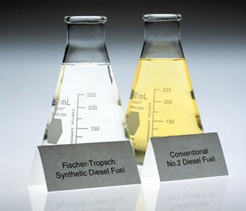


Main production methods
Several industrial paths yield synthetic fuels. Common processes include:
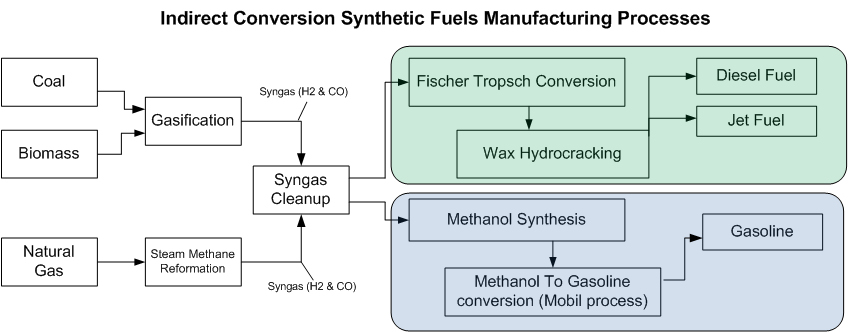
- Coal-to-liquid (CTL): coal is gasified to synthesis gas (syngas), then converted to liquid hydrocarbons by Fischer–Tropsch or other synthesis processes.
- Gas-to-liquid (GTL): natural gas is reformed to syngas and transformed into liquid fuels, frequently using Fischer–Tropsch chemistry.
- Biomass-to-liquid (BTL) and bio-synfuels: organic matter is converted through gasification or fermentation and then upgraded to fuels; feedstocks can include dedicated energy crops and residues.
- Oil shale and tar sands processing: heating, extraction and upgrading of kerogen or bitumen produce synthetic crude that requires refining before use.
- Power-to-liquid (PtL) or e‑fuels: renewable electricity makes hydrogen by electrolysis; hydrogen reacts with captured CO2 to form hydrocarbons or alcohols.
History and development
Industrial-scale synthesis of liquid fuels emerged in the early 20th century and was expanded during periods of restricted oil access. Fischer–Tropsch synthesis, invented in the 1920s, and coal or gas conversion technologies were developed further for wartime and strategic supply. In the late 20th and early 21st centuries, commercial projects used GTL and CTL routes in regions with abundant gas or coal. Modern research focuses on lower-carbon routes such as PtL and biomass conversion.
Uses, benefits and concerns
Synthetic fuels can be formulated to meet existing fuel specifications, allowing use in cars, trucks, ships and aircraft without major changes to engines or distribution infrastructure. They offer energy security by diversifying feedstocks and can provide a way to utilize domestic resources. However, many synfuel processes are energy intensive. When produced from fossil feedstocks without carbon management, they can emit more greenhouse gases than conventional fuels. Combining synfuel production with carbon capture and using renewable energy or sustainable biomass can reduce lifecycle emissions.
Distinctions and notable facts
Not all unconventional liquids are classified the same: bitumen from tar sands or oil from shale is sometimes called synthetic crude, but these are geologically trapped hydrocarbons requiring extraction and upgrading. Biofuels from food crops are distinct from synfuels made from non-food biomass; some synfuel projects deliberately use residues or non-food crops to avoid competing with food. Policy, fuel standards and carbon accounting influence which routes are considered sustainable.
Synthetic fuels remain an active area of technological development and policy debate because they can help decarbonize sectors that are hard to electrify, provided low-carbon production methods and robust emissions controls are applied.
Questions and answers
Q: What is synthetic fuel?
A: Synthetic fuel is created in liquid or gas form and is a fuel that can be manufactured.
Q: What were synthetic fuels traditionally made from?
A: Synthetic fuels were traditionally made from coal.
Q: What is the other name for oil extracted from shale or tar sands?
A: Sometimes oil extracted from shale or tar sands is called synfuel.
Q: Can fuels be made from non-food crops?
A: Yes, fuels can be made from non-food crops.
Q: What are tar sands?
A: Tar sands are made up of sand and a thick oil called bitumen.
Q: Can tar sands and oil shale be used to create crude oil?
A: Yes, tar sands and oil shale can be heated with steam to remove crude oil from the two substances.
Q: What needs to happen to crude oil before it can be used?
A: Crude oil, whether from tar sands, oil shale or conventional sources, needs to be refined before it is used as a fuel.
Related articles
Author
AlegsaOnline.com Synthetic fuel (synfuel): production, uses, history, and environmental issues Leandro Alegsa
URL: https://en.alegsaonline.com/art/95691