
Swift County, Minnesota
Swift County is a rural county in west-central Minnesota with the county seat at Benson. Established in the 19th century, it is known for agriculture, small towns, lakes and county government services.
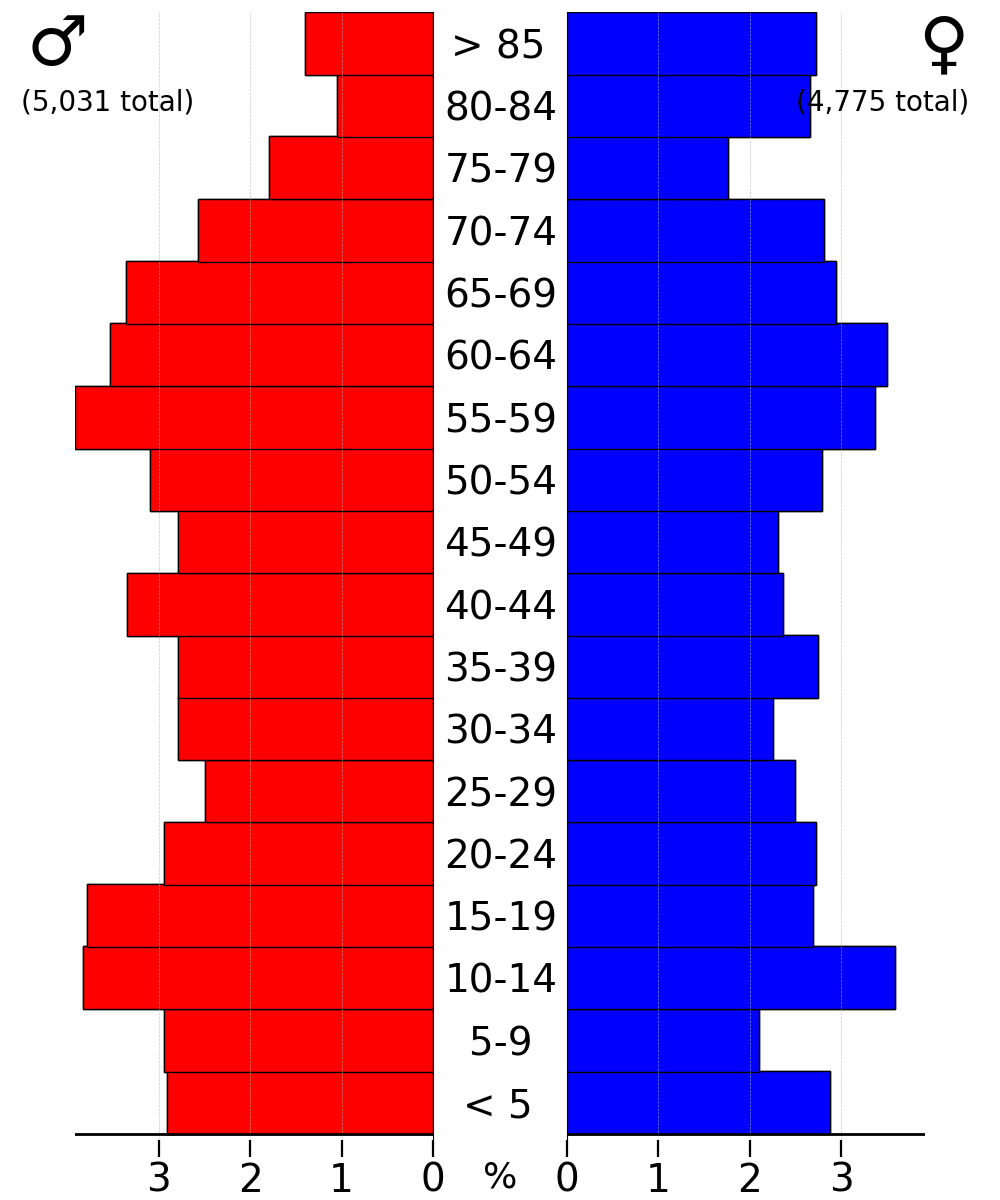
Swift County is a lightly populated county in the western part of the state of Minnesota, in the United States. According to the 2010 census, 9,783 people lived in the county. The county government and many regional services are based in the county seat, Benson.
Image gallery
3 Images

Overview
Swift County covers a mix of farmland, prairie remnants and small lakes typical of this region of Minnesota. The landscape supports a largely agricultural economy, and the county is organized around several small towns and rural townships. Local institutions include municipal governments, school districts, and county offices that serve residents across a broad, low-density area.
History and name
The county was created in the 19th century during a period of rapid settlement in Minnesota. It was named for Henry A. Swift, an early Minnesota political figure who served in state government. Over time the county developed as an agricultural and service center for surrounding farms and communities.
Economy and land use
Agriculture is the dominant land use and economic activity, with crop farming and livestock operations common across the county. Small businesses, light industry and public-sector employers in the county seat and towns provide additional jobs. Outdoor recreation — including fishing, hunting and seasonal activities on lakes and public lands — contributes to local life and tourism.
Communities and government
Benson functions as the primary commercial and administrative hub, hosting county courts and offices. Beyond Benson, the county is composed of multiple townships and small communities that center on schools, churches and civic organizations. County government manages roads, public safety, land records and social services for residents.
Notable facts and distinctions
- Rural character: Swift County exemplifies many Midwestern rural counties with a dispersed population and farm-centered economy.
- Recreation: Lakes, river corridors and public lands offer local outdoor opportunities.
- Community focus: Small towns and county institutions play an outsized role in social and economic life.
For official information, local services and recent statistics, consult county resources and state publications. The county continues to adapt to changing agricultural markets, demographic shifts and the needs of rural residents while maintaining its role as a local center of government and community life.
Related articles
Author
AlegsaOnline.com Swift County, Minnesota Leandro Alegsa
URL: https://en.alegsaonline.com/art/95514