
Sydney Cove: historic harbour and site of Australia’s first European settlement
Sydney Cove is the small sheltered bay at the heart of modern Sydney where the First Fleet landed in 1788; today it is a cultural and transport hub with deep Indigenous and colonial history.
Overview
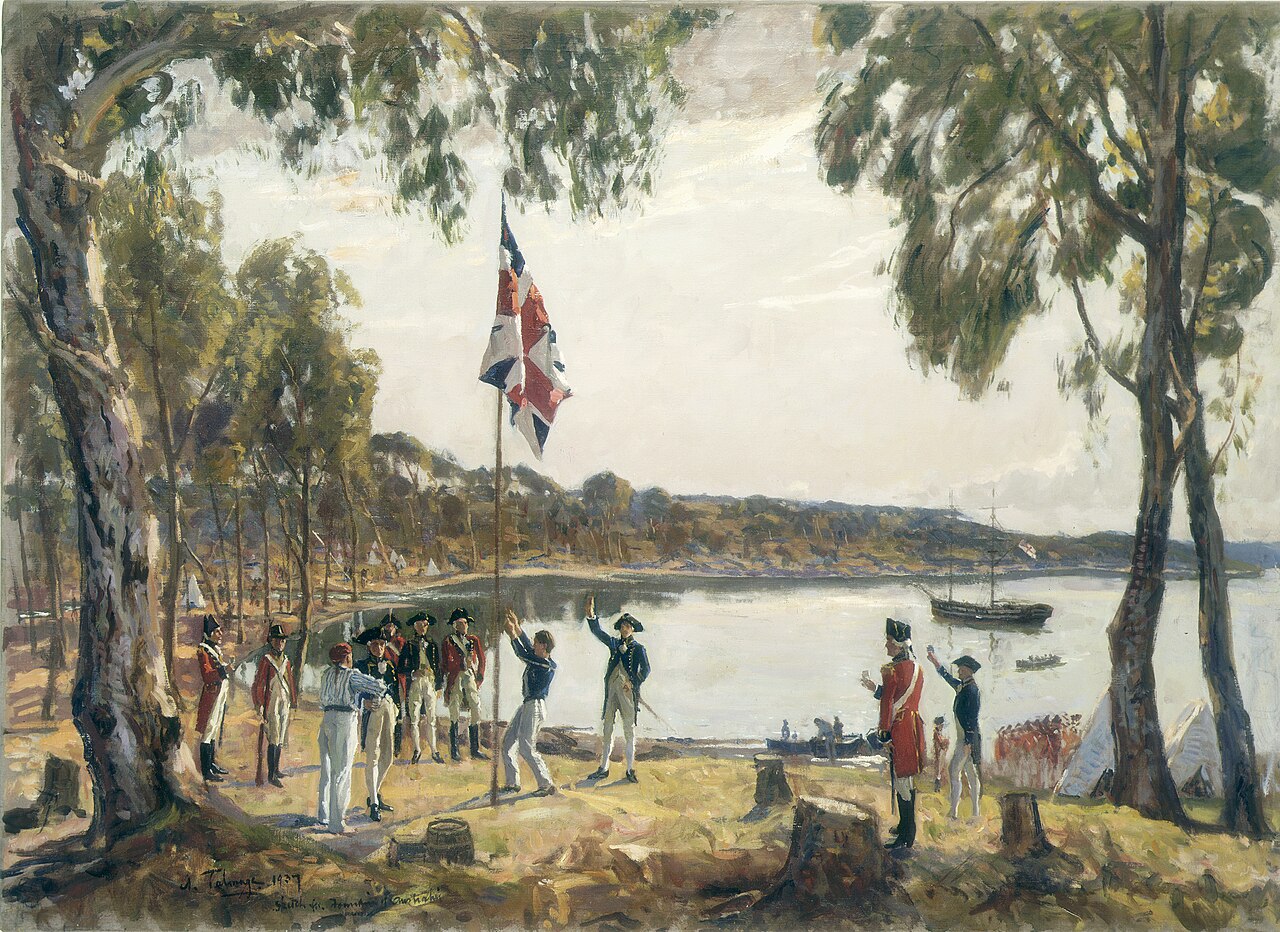
Sydney Cove is a compact, sheltered bay on the southern shore of Port Jackson in the city now known as Sydney. It is frequently identified with the area around Circular Quay and The Rocks, and is commonly cited as the location where the First Fleet landed on 26 January 1788. The cove is part of the state of New South Wales in Australia, and the arrival involved sailors and officials of European origin (Europeans).
Image gallery
7 Images




Historical background
Long before European arrival, the shores of the cove were inhabited and used by local Aboriginal groups, now generally associated with the Eora peoples. In 1788 Captain Arthur Phillip selected the cove as the site for a penal colony because of its shelter and the presence of a fresh water source near what was called the Tank Stream. The landing marked the start of a permanent colonial settlement with wide and lasting consequences for the continent.
Geography and features
The cove is a small indentation within the larger natural harbour of Port Jackson. Its relatively calm waters and proximity to hills made it attractive to early settlers. Over time the shoreline was altered by construction, wharves, and land reclamation, transforming the original shoreline into the modern foreshore used by ferries and tourists.
Today and cultural significance
Today Sydney Cove is a focal point for transportation, tourism and public events. Circular Quay ferry terminals, cultural institutions, and waterfront promenades occupy the area. The date of the First Fleet landing is remembered annually on 26 January, a day observed as a national holiday but also subject to ongoing debate and reflection because of its meaning for Indigenous Australians.
Notable sites and archaeology
- The Rocks: early colonial streets, preserved buildings and museums.
- Circular Quay: ferry and cruise access to the harbour.
- Archaeological remnants: foundations, artefacts and interpretive displays revealing both Aboriginal occupation and early colonial life.
Why Sydney Cove matters
Sydney Cove is significant as the location commonly associated with the foundation of modern Sydney and the beginning of sustained European settlement on the continent. Its layered history—Indigenous occupation, colonial establishment, urban development and contemporary cultural life—makes the cove a concentrated site for understanding Australia’s past and present.
Related articles
Author
AlegsaOnline.com Sydney Cove: historic harbour and site of Australia’s first European settlement Leandro Alegsa
URL: https://en.alegsaonline.com/art/95580