
Swilland
Swilland is a small village and civil parish in Suffolk, England, known for its rural setting and St Mary’s Church. The parish had 164 residents at the 2001 census.
Swilland is a small village and civil parish in the English county of Suffolk. It lies in the county’s rural interior and has long been part of the pattern of scattered settlements that characterise much of east Suffolk. Older administrative references place it in the former Suffolk Coastal district.
Image gallery
6 Images
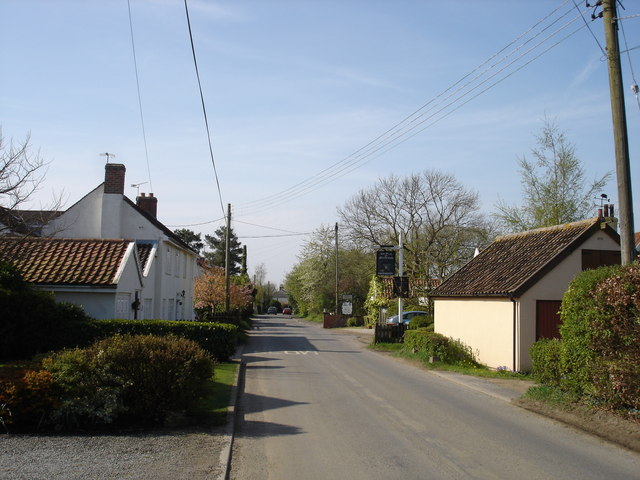


Overview
Like many English parishes, Swilland is both a village and a civil parish, meaning it serves as a local community area for administrative purposes as well as a named settlement. The parish is small in population and strongly rural in character. At the 2001 census, it had 164 residents, a figure that reflects its modest scale and quiet setting.
Landscape and settlement
Swilland is part of the low-lying countryside typical of central and eastern Suffolk, where farms, lanes, hedgerows, and small villages are common. Such places often grew from historic agricultural communities, with homes, fields, and parish boundaries shaped over many centuries. The village’s identity is closely tied to the surrounding landscape rather than to a large commercial centre.
Church and local heritage
The main landmark mentioned in the village is St Mary’s Church. In English villages, a church dedicated to St Mary is often one of the oldest surviving buildings and an important point of reference for local history, worship, and community life. Even where parish life is now limited, the church remains a visible symbol of continuity with the past.
Why it matters
Swilland is notable less for size than for what it represents: the survival of a traditional Suffolk parish in a landscape of long-established rural settlements. Villages such as Swilland help illustrate the geography, history, and local identity of the county. They also show how civil parishes continue to preserve historic place names and community boundaries in modern England.
- Status: village and civil parish
- County: Suffolk
- Noted landmark: St Mary’s Church
- Recorded population: 164 in 2001
Related articles
Author
AlegsaOnline.com Swilland Leandro Alegsa
URL: https://en.alegsaonline.com/art/95518
Sources
- ons.gov.uk : "Local statistics - Office for National Statistics"
- achurchnearyou.com : "Swilland, St Mary - A Church Near You"
- suffolkchurches.co.uk : "Suffolk Churches"
- britishlistedbuildings.co.uk : "Church of St Mary, Swilland, Suffolk"