
Syracuse, Sicily — history, landmarks, and cultural significance
Syracuse (Siracusa) is an ancient coastal city on Sicily's southeast, known for its Greek and Roman ruins, the island of Ortigia, ties to Archimedes, and its role as the capital of the Province of Syracuse.
Overview
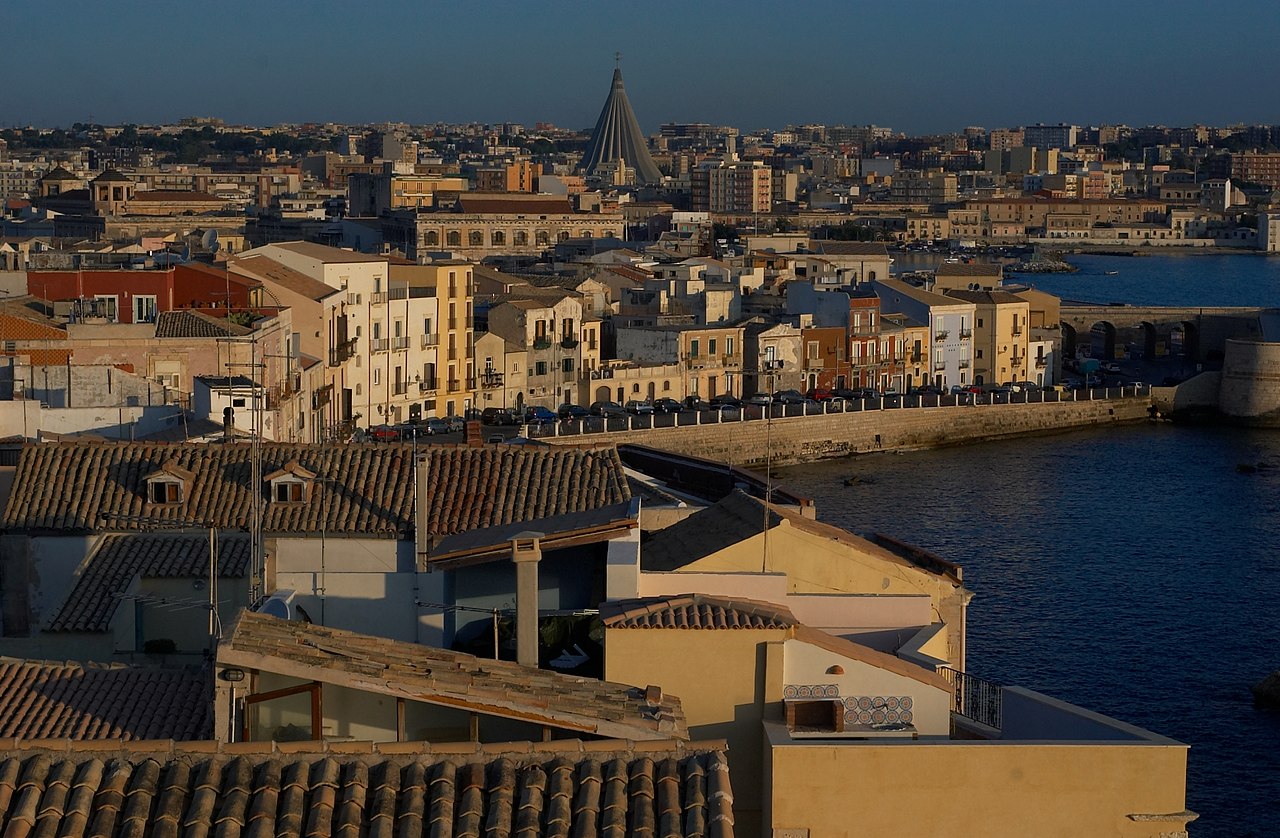
Syracuse is a historic coastal city on the southeastern shore of the island of Sicily, in the region of the same name and within the country of Italy. In Italian the city is known as Siracusa and in the local Sicilian language as Sarausa. It is the administrative centre and capital of the Province of Syracuse and today has a population of roughly 125,000 people. The urban area combines a compact historic core, island districts and more modern suburbs along a natural harbour.
Image gallery
10 Images



Geography and urban structure
The oldest and most visited part of Syracuse is the small island of Ortigia, connected to the mainland by bridges and dominated by narrow streets, a cathedral square and seafront promenades. The modern city spreads north and west of Ortigia and includes archaeological zones, residential neighborhoods and a working port. The geography of rocky coastline and sheltered waters shaped Syracuse's role as a maritime and commercial centre since antiquity.
History and archaeology
Syracuse was one of the major ancient Greek colonies in the central Mediterranean. It is traditionally said to have been founded by settlers from Corinth in the 8th century BCE and later became a powerful city-state. The site contains extensive Greek and Roman remains — including a large Greek theatre, a Roman amphitheatre and necropoleis — which testify to its long classical importance. The city also figures in later medieval and early modern histories of Sicily.
Landmarks and archaeological sites
- The island of Ortigia: historic core with Piazza del Duomo and a cathedral built on an ancient temple site.
- The Greek Theatre: one of the largest surviving classical theatres, used in ancient drama and public life.
- The Ear of Dionysius: a dramatic limestone cave in the archaeological park known for its acoustic qualities.
- Roman amphitheatre and archaeological park areas that display layers of Greek, Roman and later occupation.
Culture, economy and tourism
Syracuse is a cultural hub for southeastern Sicily. Its museums, festivals and classical performances draw visitors interested in archaeology, architecture and Mediterranean history. The modern economy blends public administration, services and tourism with regional agriculture and fishing. The combination of ancient monuments and lively urban life makes Syracuse a frequent destination for both students of antiquity and general travelers.
Notable facts and legacy
Syracuse is widely remembered as the city where the mathematician and inventor Archimedes lived and worked; accounts from antiquity place many of his discoveries and activities there. The city's surviving monuments and necropolis contribute to its international significance; the broader archaeological area, together with nearby sites, has been recognized for its outstanding cultural value. Today Syracuse remains a key link between the classical Mediterranean past and contemporary Sicilian culture.
Related articles
Author
AlegsaOnline.com Syracuse, Sicily — history, landmarks, and cultural significance Leandro Alegsa
URL: https://en.alegsaonline.com/art/95699