
Supreme Federal Court (Supremo Tribunal Federal) — Brazil's Constitutional Court
The Supreme Federal Court (STF) is Brazil's highest court and principal constitutional tribunal, responsible for constitutional review, resolving federal disputes, and trying high officials.
Overview
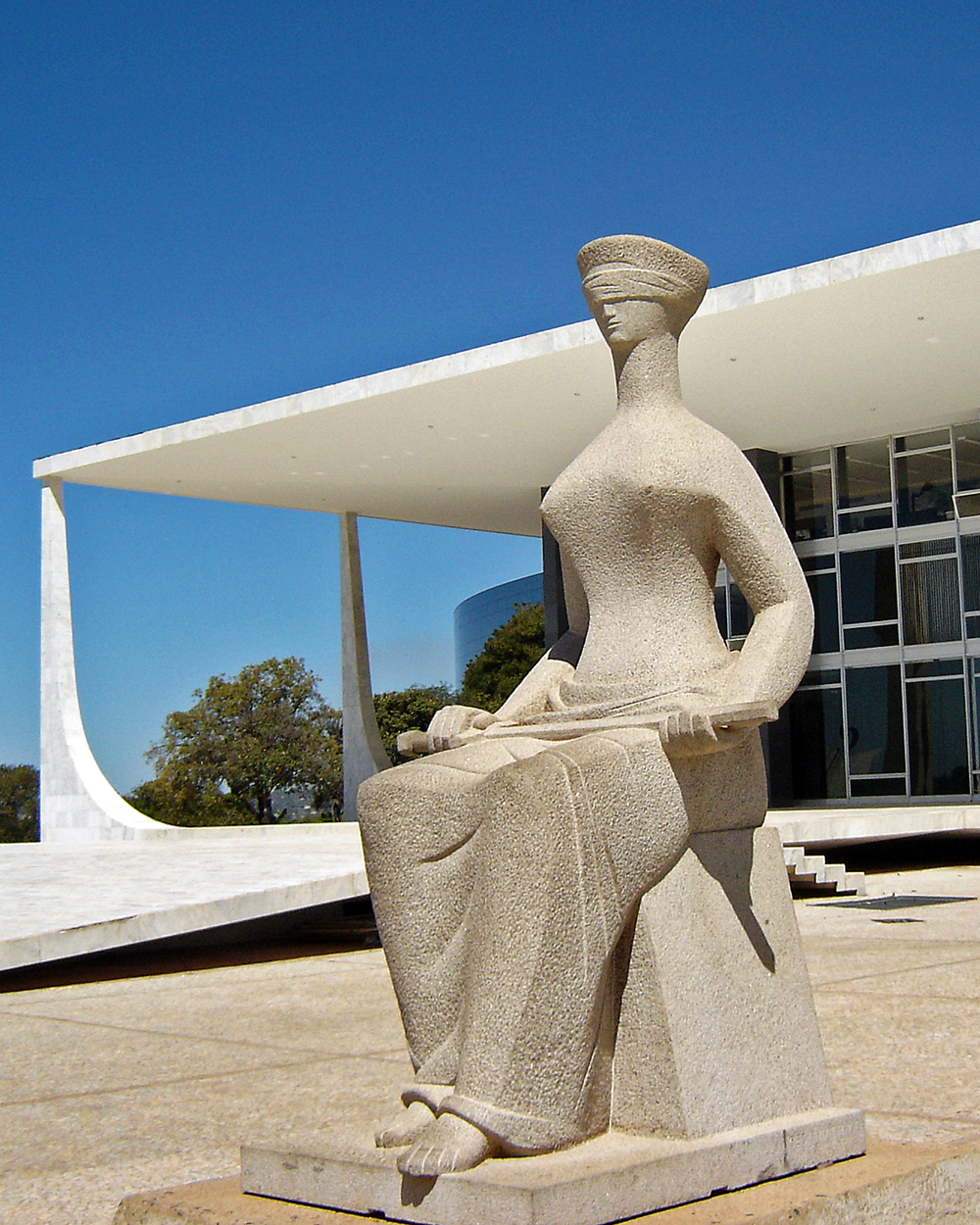
The Supreme Federal Court, widely known by its Portuguese name Supremo Tribunal Federal and the abbreviation STF, is the highest judicial body in Brazil. Functioning primarily as the country's constitutional court, it serves as the final arbiter for constitutional questions and is the ultimate appellate authority in cases that involve constitutional law. It is commonly described as the nation's supreme court.
Image gallery
10 Images






Structure and composition
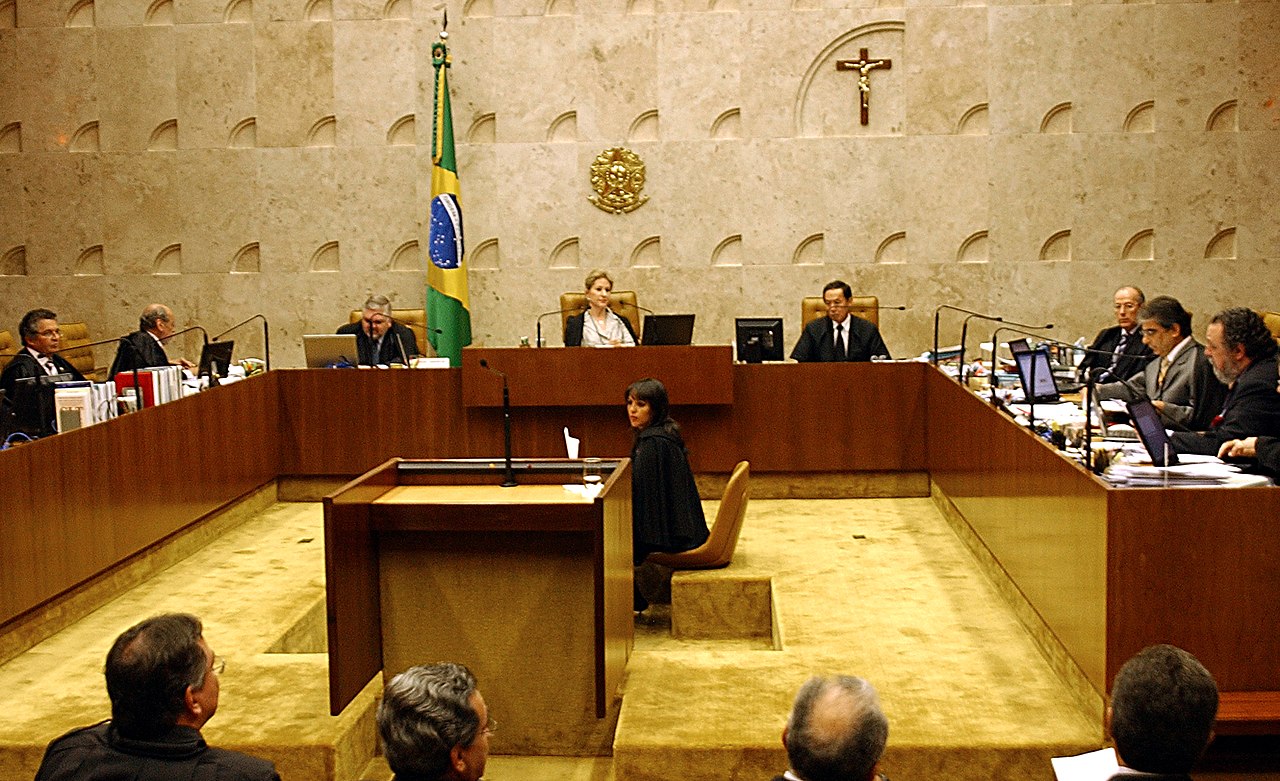
The court is constituted by appointed justices who serve until mandatory retirement. Members are selected through a political-legal process: nominations by the President of the Republic followed by confirmation in the Federal Senate. The court sits in plenary sessions when full-court decisions are required, and it also decides cases in smaller panels or divisions when permitted by procedural rules.
Powers and functions
The STF's responsibilities center on interpreting and safeguarding the federal constitution. Its main functions include:
- Conducting judicial review of legislation and government acts to determine constitutionality.
- Adjudicating disputes between federal entities, such as conflicts among the Union, states and municipalities.
- Hearing criminal cases and special procedures involving high-ranking officials, when jurisdiction is constitutionally required.
- Issuing decisions that may guide or bind lower courts in specific circumstances, thereby shaping legal precedent.
History and development
The institution traces its origins to the early republican period and evolved as Brazil's constitutional order changed. Its role was considerably expanded and clarified by later constitutions, particularly the 1988 constitution, which strengthened judicial review and the protection of fundamental rights. Over time the court has assumed a central place in the balance of powers, interpreting pivotal legal principles in periods of political transition and reform.
Procedure and decision-making
Cases reach the court by various routes, including direct constitutional actions and appeals from lower courts. The court may decide matters in full plenary sessions or through delegated panels, depending on the nature of the case and procedural norms. Its majority rulings establish authoritative interpretations, and special mechanisms exist for concentrated review of statutes or for preventing violations of fundamental precepts.
Significance and notable features
The Supreme Federal Court plays a central role in Brazil's legal and political life. Beyond resolving individual disputes, its judgments influence public policy, protect civil liberties, and maintain the constitutional framework. Because of its broad mandate over constitutional questions and its ability to settle conflicts between branches and federative units, the STF is often a focal point in debates about governance, rights and the rule of law.
For further institutional details and procedural rules, consult official sources or specialized legal commentary. Representative information can be found through institutional portals and legal databases that track constitutional jurisprudence and court practice.
Related articles
Author
AlegsaOnline.com Supreme Federal Court (Supremo Tribunal Federal) — Brazil's Constitutional Court Leandro Alegsa
URL: https://en.alegsaonline.com/art/95127
Sources
- stf.jus.br : "Composição Atual"
- stf.jus.br : "Pastas dos ministros"