
Tax Relief, Unemployment Insurance Reauthorization, and Job Creation Act of 2010
A 2010 U.S. law enacted in December 2010 that extended tax cuts, provided temporary payroll tax relief, renewed unemployment benefits and included measures intended to support job creation.
Overview
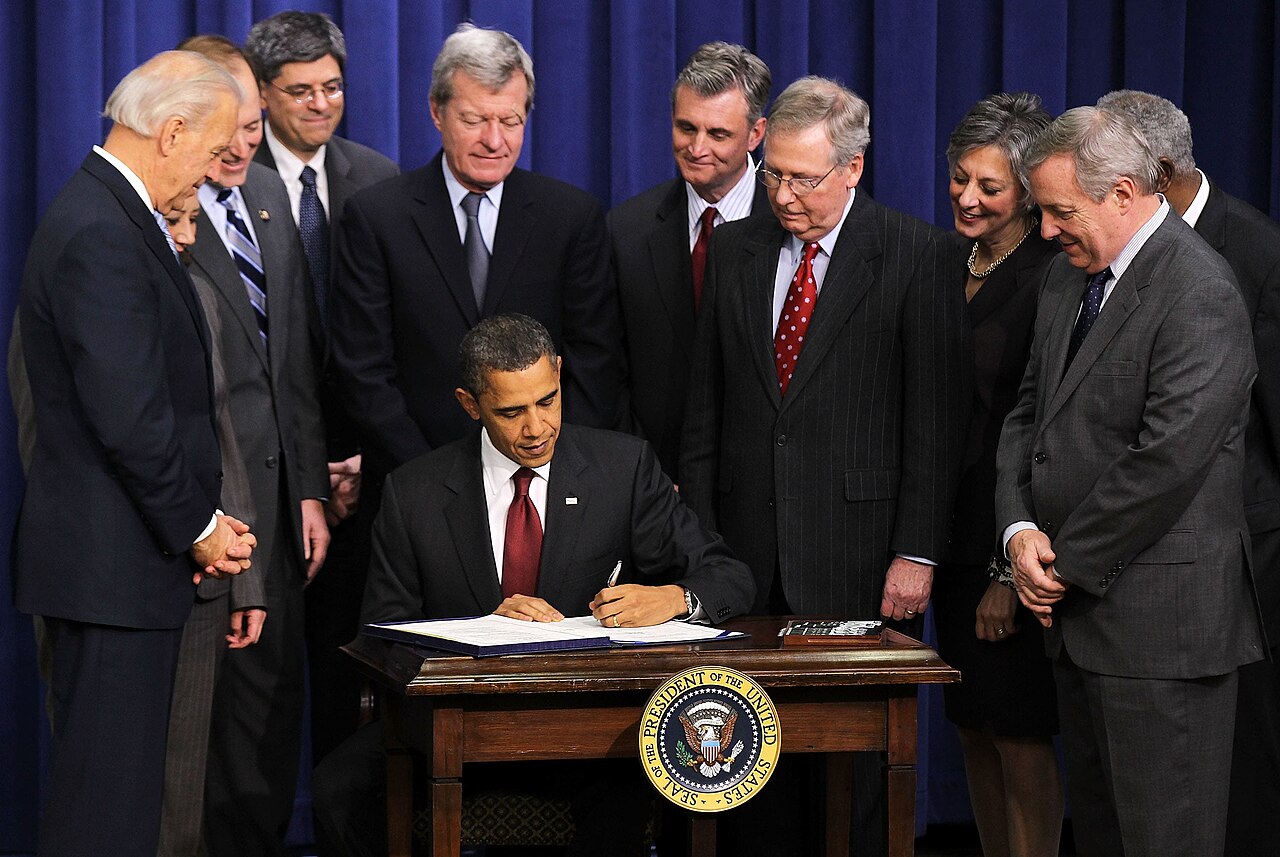
The Tax Relief, Unemployment Insurance Reauthorization, and Job Creation Act of 2010 was enacted at the end of 2010 to provide short-term fiscal relief and stimulus. It was passed by the United States Congress on December 16, 2010 and signed into law on December 17, 2010 by President Barack Obama. The measure combined extensions of expiring tax provisions with temporary aid for unemployed workers and measures intended to boost demand and encourage hiring across the United States.
Image gallery
2 Images
Key provisions
- Temporary extension of individual income tax rates established in earlier legislation, maintained for a limited period rather than allowing scheduled increases to take effect.
- A short-term reduction in the employee share of the Social Security payroll tax intended to raise workers' take-home pay and support consumer spending.
- Renewal and expansion of federal emergency unemployment insurance benefits for workers who had exhausted regular state benefits.
- Measures to prevent a rise in the Alternative Minimum Tax for millions of taxpayers (an "AMT patch").
- Adjustments to tax treatment of capital gains and dividends and other provisions affecting estates and businesses, structured as temporary or scheduled to sunset.
Context and passage
The law emerged from negotiations in a lame-duck session following the 2010 midterm elections. Supporters argued it was necessary to avoid tax increases and to sustain economic activity while unemployment remained elevated. Opponents raised concerns about the budgetary cost and whether short-term tax relief was the most effective way to encourage long-term growth. The legislation reflected a compromise intended to produce immediate economic effects while leaving longer-term tax policy decisions for later debate.
Effects and significance
In the short term, the act increased household income through lower payroll taxation and extended benefits that supported consumer spending among unemployed families. Economists and policymakers generally viewed these moves as modest stimulus aimed at arresting declines in demand and cushioning the labor market. The law also postponed contentious tax-policy choices, creating space for further negotiation. Analysts debated the size and duration of its impact, noting that temporary measures can have limited influence on long-term employment trends.
Criticism and later developments
Critics argued that the package added to federal deficits and that some provisions encouraged short-term consumption rather than investments that would raise productivity. Because many elements were time-limited, subsequent Congresses and administrations revisited the underlying issues, leading to further legislative changes in later years. The act remains a notable example of end-of-year fiscal policymaking that combined tax decisions with economic support measures.
For more detailed legislative text and roll-call history, readers can consult official records and analyses prepared at the time by government agencies and independent fiscal organizations.
Related articles
Author
AlegsaOnline.com Tax Relief, Unemployment Insurance Reauthorization, and Job Creation Act of 2010 Leandro Alegsa
URL: https://en.alegsaonline.com/art/96570
Sources
- whitehouse.gov : "Tax Cuts, Unemployment Insurance and Jobs"